thiamine deficiency - Page 4

My Decade of 24/7 Depression

9.6K views

I am a 60 year old female who has been experiencing severe depression with anhedonia for over a decade. I often feel oxygen and energy deprivation in my head more often when I lie down. I have a lot of short term memory problems and executive functioning issues that began around age 50. Sometimes I feel the earth move under my feet and I am occasionally dizzy and have double vision. If I look intently at things, it appears as though they are moving. I also have some visual tracking issues. This is partly do being blind focally in one eye and floaters in both, but I suspect there is more too it. I have endured restless leg syndrome for years, which has been significantly less for the last few weeks after beginning thiamine, as have some of my other symptoms, but the depression, anhedonia and general loss of motivation and lack of joy remains. I have begun using a variety of supplements but feel as though I am still missing something. I am sharing my story in the hopes that someone can offer some help.

Childhood Through Early Adulthood

Since childhood, I have felt physically crappy. I was never able to breathe through my nose. I had asthma and constant, intense itching in my ears, nose, throat, head, and eyes. Insomnia plagued me as a child due to anxiety, along with the inability to breathe and the intense itching in my head. Regularly, and especially at night, I fantasized of putting an icepick into my ear to scratch the horrible itch in the center of my head. All day, everyday, I choked on the constant snot that continuously poured out of my nose and clogged my throat. I choked often on my food being a total mouth breather. I needed a box of Kleenex’s to get through a day. Despite it constantly running, I could not breathe through my nose at all. Encumbering as all this was, I still managed to feel somewhat hopeful, played outdoors, had friends, and attended school most days.

I chose to leave home quite young (at 15 years old) because of family dysfunction. By 16, I stopped consuming liquid dairy, thus leading to a nose-breathing liberation. I still was plagued with sinus issues but could breathe occasionally through my nose to some degree for the first time ever.

As a youth, I experimented with drugs, but never really took anything regularly as the hangovers were horrible and weakening for me. I did a fair amount of drinking in twenties as well but paid the price health wise, and since have not had a drink in many years.

In my twenties, I became aware of sugar causing severe hypoglycemia in me, caused huge mood swings and vision loss. I also self-diagnosed myself with hypothyroidism. I went to see doctors assuming this was causing my miscarriages but the doctors invalidated me at every turn, insisting I was fine. So my Hashimoto’s went untreated for many years until I discovered I could treat it with over-the-counter desiccated thyroid.

Even with all of this going on, I just kept dragging myself along through life on what felt like sheer willpower alone. During this time (my 20’s), I ate more vegetables (fresh organic) and less meat, I had a lot of stomach pain that plagued me on top of everything else, even though my diet was quite good and full of organic vegetables grown nearby. I wasn’t a trying to be a vegetarian, I always thought of myself a bit more of a carnivore, but being that I lived among vegetarians I didn’t eat meat on a daily basis. I noticed that when I did eat meat, I felt a little better. I wish I had taken it more seriously then, but I was still in my optimistic youth, and every day was a new day where I thought I was going to magically feel better.

Lifelong Anxiety and Stage Fright

Prior to the depression, I was a violinist, but one who suffered from lifelong, crippling stage fright. As a child I couldn’t sleep at all for days prior to an audition or performance, which was often. This continued my whole life. Nevertheless, I was able to push through and have performed and recorded many pieces with many different people through the years. Over time though, I began to avoid auditions, and mostly, only performed solo for strangers like at weddings and parties where there weren’t high expectations. Many times, I convinced myself to get over this anxiety, I just had to do it, to get out there and perform. This never worked. I never got over it. Oddly enough, no one realized what I was going through while I played.

I took immediate release Adderall 40-60mg 2-4 x a week for about 5 years in my late 40s to early 50s. It was prescribed for ADHD and for stage fright during violin performances. It also helped with motivation. I have always had a pretty scattered ADHD type personality and felt that I was a high functioning autistic person.

I take trazodone to help sleep when I can afford to get it, but it doesn’t always work. So lately I have been taking a break. Sometimes I will take an over the counter antihistamine/cold medicine like Tylenol when I am desperate to sleep, like when I’m caring for mother. It is a last resort though. I prefer not take anything being it makes me a little nauseous and I worry about liver damage.

I tried Wellbutrin for depression for several months about a year and a half ago, but felt nothing. I tried Prozac for four weeks in my 40s and also felt nothing.

Mumps and Loss of Vision in One Eye

I got the mumps in my forties. This was the closest I ever felt to death in my life. I subsequently lost vision in my right eye. When I lost my vision, it was assumed that I had ocular histoplasmosis but a few years prior to that I had lost vision in one eye for a few months to an unusual eye condition called MEWDS, (multiple evanescent white dot syndrome). MEWDS can be induced by a virus, perhaps having the mumps virus had something to do with it. I also wonder if I was actually type 2 diabetic off and on in my life, or at least borderline, and if that cost me my eye.

Debilitating Depression

After a lifetime of feeling crappy, multiple miscarriages, carpal tunnel, loss of vision in one eye, foot, back, and joint pains, continuous often intense neck pain that has been there since my twenties, along with severe insomnia and allergies, I arrived at 50 years old and began a quick descent into an abyss of deep and unexpected depression and anhedonia. I have been stuck here and have wanted to die 24/7 for 10 years, but haven’t because I do not want to hurt my grown son, and I am sharing the out of state caretaking of my mother and stepfather with dementia with my brother. I have been desperately trying for the last decade to recover my health. To that end, I have taken many supplements but none have really noticeably worked.

Attempts to Recover

Seven years ago, I took to injecting B12 after self-diagnosed pernicious anemia, but never felt a noticeable difference. I was extremely fatigued. I also injected a B complex regularly for several weeks or more without noticing a difference. I still feel a lot of fatigue but with the loss of motivation I think it is possibly more mental than physical.

Ten months ago, I began a strictly carnivore diet. Carnivore has helped inflammation. My bowels are way better and my lifelong mouth ulcers stopped immediately. There have been many other small wins. Unfortunately though, it means  next to nothing to me because it has not fixed my depression, my enjoyment, or will to live. These are the core symptoms that I need to fix. I don’t understand why others get over their depression and insomnia and I cannot seem too. I also still loose lots of hair, but this has been going on for about 7 years. This is traumatic for me (constantly).

About three months ago, I experienced tachycardia plus dizzy spells for several days. The doctors said my iron was fine but I upped my heme iron and b12 and I think it helped. I eat a lot of liver/meat so it surprises me that I would ever be low in b12 or iron. I still feel a little floaty at times, but my heart rates are more normalized.

Recently, I discovered the literature and videos on high dose thiamine. I was very excited, and finally, once again hopeful.

I have taken both TTFD and benfotiamine for a couple weeks now and am not really noticing any changes paradoxically or feeling better. I recently added the HCL too. I have tried upping my doses significantly to where I was taking over 2000mg of Benfotiamine, 400mmg of TTFD and 400mg of thiamine HCL for several weeks. But I have since lowered it considerably. I also take magnesium (100mg), glutathione, riboflavin (100mg) the other B vitamins via yeast, B12 with intrinsic factor (500mg), and electrolytes, and I eat head to tail carnivore including bone broth. I take a substantial amount of more than 400mg of desiccated thyroid as well for the Hashimoto’s disease.

I started taking high dose niacin, perhaps a week ago and I think it kind of helped the thiamine. I felt a certain weight in my head lessen. It was not so much emotionally noticeable but like a bunch of swelling must have loosened. Then two nights ago, my body, legs, and some in arms, swelled up horribly. It was very itchy, painful and lumpy; like I had gained 20 pounds overnight. I haven’t had a history of noticeable edema. This scared me and I decided it was lymphedema, so I began doing lymph draining exercises. I finally felt it was not expanding any longer and perhaps even subsiding a day and half later. I felt hopeful that the brain inflammation FINALLY made a breakthrough, and my body was dealing with the toxicity that had been stuck in there, but I’m not sure what caused the sudden swelling. I also noticed during the swelling that I was urinating less, no matter my fluid intake. Perhaps my body was trying to dilute the toxicity and thus the necessary accumulation. I didn’t take the niacin or thiamine for the next two days. Then yesterday, I took a 1 gram niacin dose and felt a decline in the swelling, and later, around 3 am, I took another niacin, which somehow helped my body hurt less and I could relax. Now a few weeks later, the swelling has decreased considerably. I think it’s going to take some time to feel the results of brain regeneration and habitual behavior, but I don’t feel that feeling of a huge lump of coal stuck in my head anymore. I am currently taking 300mg of benfotiamine, 100 thiamine HCL and 100 allithiamine along with my minerals, electrolytes and vitamins. I also added oregano oil protocol that I heard could help with Hashimoto’s.

Please Help

I used to be highly creative and performed violin for a living, whereas now I cannot find any hope or inspiration to play or do anything and haven’t in years. I desperately want to clear the fog from my brain and regain my will. It is as if I am overwhelmed and underwhelmed at that same time. It is difficult to describe, except that I am miserable. What am I missing? Please any advice appreciated. Thank you!

We Need Your Help

More people than ever are reading Hormones Matter, a testament to the need for independent voices in health and medicine. We are not funded and accept limited advertising. Unlike many health sites, we don’t force you to purchase a subscription. We believe health information should be open to all. If you read Hormones Matter, and like it, please help support it. Contribute now.

Yes, I would like to support Hormones Matter.   

Photo by Annie Spratt on Unsplash.

This story was published originally on November 30, 2023.

Childhood Trauma, Diet, and Behavior

12.6K views

Adverse Childhood Experiences and the Diet Variable

Nearly one in eight children (12%) are reported to have had three or more negative life experiences associated with levels of stress that can harm their health and development. In 2011, nearly 60% of children age 17 and younger were exposed to violence within the year, either directly as victims or indirectly as witnesses. Twenty-one per cent of children in the United States suffer from mild behavioral health problems and an additional 11% struggle to overcome significant behavioral health, according to the Adverse Childhood Experiences study. This estimate translates into a total of 4 million youth who suffer from major mental illness (US Department of Health and Human Services 1999, 123-124). An estimated 26% of Americans aged 18 and older (about one in four or over 57 million adults) suffer from a diagnosable mental disorder in a given year.

As if this were not enough, the Children’s Crisis Treatment Center in Philadelphia indicated that “in 2011, 29% of students in grades 9 through 12 reported feeling sad or hopeless almost every day for two or more weeks in a row in a year. Up to 70% of children and teenagers in the juvenile justice system have a diagnosable mental health disorder and up to 44% of high school students suffering from behavioral health issues drop out of school”.  If these statistics are accurate, they are deplorable.

Malnutrition as a Major Cause of Brain Disease

With these huge numbers involved, of many potentially causative issues, there is considerable evidence that bad nutrition may dominate them. It is interesting that, many years ago, a Probation Officer in Cuyahoga Falls in Ohio persuaded a judge to hand over to her care all the juvenile criminals that stood trial in his court. She regulated their diet and supervised it. The recidivism (habitual lapsing back into crime) dropped to almost zero. Unfortunately, good nutrition is commonly overcome by hedonism (love of pleasure) and is usually governed by the sweet taste. There are two aspects to this. Sugar in all its different forms precipitates thiamine deficiency and the signal from the tongue to the brain is responsible for its addictive qualities. There is little doubt that thiamine deficiency is heavily responsible for much of the mental disease that is so commonly represented in our culture. It is especially damaging to the lower part of the brain that governs our emotional responses and our ability to adapt to a hostile environment. Because thiamine deficiency produces an effect similar to that of oxygen deficiency (hypoxia) it has been seen as a cause of pseudo-hypoxia (false hypoxia). Either true or false hypoxia is interpreted by the brain as a potentially dangerous threat to the organism.

Some years ago I had the opportunity to visit the Philadelphia Crisis Treatment Center that then existed under another name. I learned of a neurosurgeon who had been deeply involved with its original inception. He had suggested that seizures (epilepsy) were caused by a deficiency of oxygen (hypoxia) in the brain, perhaps explaining the usual resistance of juvenile seizures to drug treatment. Although the statistics above did not specify the nature of “major mental illness” in 4 million youths, I pondered over the years whether hypoxia or any part of its equivalent mechanisms (pseudo-hypoxia) could be the underlying cause common to brain disease in a variety of different expressions, including even epilepsy in some cases.

After my visit to Philadelphia, I had an opportunity to test the neurosurgeon’s suggestion by treating a 12-year-old boy in “status epilepticus” after his current medication had been suddenly withdrawn. I gave him an intravenous injection of thiamine tetrahydrofurfuryl disulfide (TTFD), a synthetic derivative of thiamine) and this quickly stopped the continuous seizuring. I then started TTFD by oral administration but it was discontinued by a neurologist who saw the incident as “spontaneous remission and nothing to do with vitamin therapy”. Unfortunately, I did not have any data to be able to publish the case. Status epilepticus is the name given to a situation where the seizuring is continuous and often very difficult to stop. It usually occurs when a medication is suddenly withdrawn. Many years later, I discovered that thiamine deficiency could produce the same symptoms as brain hypoxia, thus giving rise to describing this deficiency as pseudo-hypoxia (false hypoxia). I had evidently treated the SE by relieving the pseudo-hypoxia in the brain cells responsible for this patient’s potentially fatal illness.

Maternal Diet and Neurological Development

There is growing concern about the long-term neurologic effects of prenatal exposure to maternal overweight and obesity, a result of malnutrition. The causes of epilepsy are poorly understood and in more than 60% of the patients no definite cause can be determined. Authors from the well-known Karolinska Institute showed that there was indeed a relationship between obesity in pregnancy and the risk of epilepsy in the offspring. Although the mechanism is not articulated, micronutrient deficiency may be culpable. Increasingly, it has become clear that a person’s weight does not correspond to their nutritional status. Indeed, in many cases, obesity is associated with a state malnutrition; a malnutrition we call high calorie malnutrition.

Clinical thiamine deficiency is defined by both consistent clinical symptoms and either a low whole-blood thiamine concentration, significant improvement, or resolution of consistent clinical symptoms after receiving thiamine supplementation. Of 400 obese patients, 66 (16.5%) were shown to have clinical thiamine deficiency. Their symptoms included gastrointestinal, cardiac, peripheral neurologic and neuropsychiatric manifestations, the characteristic symptoms of beriberi. Hypoxia threatens brain function during the entire life span, starting from early fetal age up to senescence. A relatively common condition in newborns is lack of adequate oxygen supply to the brain and is known as hypoxic-ischemic encephalopathy. This has been shown to correlate with multiple organ dysfunction and must surely be a severe legacy in the affected child.

The outstanding question then is whether poor diet, perhaps coupled with genetic risk in some cases, could be a substantial causative factor in widespread brain illness. Dr. Marrs and I have published considerable evidence that high calorie malnutrition, by inducing thiamine deficiency, is widespread throughout America and is responsible for a variety of brain related symptoms. With an excess of simple carbohydrate calories, the action of thiamine in burning those calories is overwhelmed. Thiamine might well be in a sufficient concentration for a healthy diet but insufficient for an excess of empty calories. It is the proper calorie/thiamine ratio that results in oxidative efficiency. Unfortunately, the many symptoms produced by thiamine deficiency in the brain are not recognized by the vast majority of physicians for what they represent. If thiamine deficiency is even suspected, they find a “normal” blood level of thiamine that is the usual result in moderate deficiency. The symptoms are falsely attributed to “a more acceptable diagnosis”. No appropriate laboratory tests are usually performed and in many cases the patient is diagnosed with psychosomatic disease, without even considering a necessary underlying mechanism.

High Calorie Malnutrition and Emotional Lability

This kind of malnutrition can severely affect emotional reactions, resulting in a variety of manifestations that include persistent anxiety, depression and bizarre behavior. We have even suggested that poor emotional control can lead to expressions of violence that hitherto have had no explanation for their almost daily occurrence in America. Poverty, poor education, environmental pollution and hedonism are all components that are predictable causative agents. When energy production in the brain is compromised by inefficient use of oxygen (oxidation), the affected person is unable to muster an adequate biological response in the process of adapting to virtually any form of stress. The affected patient is also wide open to succumbing from infection by any microorganism. Brain function becomes abnormal from lack of energy drive.

This may explain the breakdown in health in the children exposed to the stress of active (physical) or passive (mental) violence referred to at the beginning of this post. The well-known saying that “we are what we eat” should be broadened to “we behave according to what we eat”. So many books have advocated the principles of healthy nutrition, without producing much overall health improvement. There is a fairly consistent refusal to “give up” sugar, mainly because its ubiquitous consumption makes it hard to understand its inherent danger to complete health and its addictive properties. Perhaps a more logical attitude might be required to the use of nutritional supplements. The pharmaceutical industry has most people attuned to consumption of pills, so that a transfer of principle would probably be easy. However, it also demands a realization that disease can be reduced to an understanding of energy deficiency as the root cause.

We Need Your Help

More people than ever are reading Hormones Matter, a testament to the need for independent voices in health and medicine. We are not funded and accept limited advertising. Unlike many health sites, we don’t force you to purchase a subscription. We believe health information should be open to all. If you read Hormones Matter, like it, please help support it. Contribute now.

Yes, I would like to support Hormones Matter.

Image by Gerd Altmann from Pixabay.

This article was published originally on January 13, 2020. 

Rest in peace Derrick Lonsdale, May 2024.


Are Thiamine Deficiency Symptoms Too Narrowly Focused?

21.6K views

Much of our understanding regarding thiamine deficiency comes from early reports of illness from far-off lands, case reports that suggest rarity, and from rodent studies. While all of these are useful, none easily translate to the realities of this disease process on the ground, in the clinician’s office, or in the hospital. Do we really know what thiamine deficiency, or more appropriately, thiamine insufficiency looks like in everyday practice? Would we recognize it in the patients who walk through the doors of any medical facility? Probably not. And that is a problem.

We tend to think about nutrient deficiencies as emerging only in populations affected by starvation or absence-based malnutrition. This interpretation evolved from the early descriptions of beriberi, where the individuals most afflicted included Japanese sailors, Pacific Island communities, and regions afflicted by food scarcity. Later, alcoholics were added to the list of potential populations affected by thiamine deficiency. More recently, post gastric bypass patients, hyper-emetic pregnant women, and patients with critical illnesses were identified as at risk for deficiency. With each set of populations though, we are given the impression that thiamine deficiency is rare but easily recognized. It is neither, but the lens through which we view this disease process was focused generations ago on only the most severe examples, and that lens has remained ever since.

The Legacy of Early Scientists

The typical descriptions of thiamine deficiency disease, come from the perspective of the early investigators who described these conditions and have changed very little in decades since. Definitions of beriberi, which in Japanese means I cannot, I cannot, was, and still is, largely focused on the progression to heart failure in later stage deficiency. Here, there are two primary types of beriberi: wet beriberi, which is defined as high output cardiac failure with edema, and dry beriberi described as the central and peripheral nervous system and cardiovascular disturbances without edema. In recent years, gastrointestinal beriberi and neuritic beriberi have been added but they remain poorly recognized.

Likewise, our understanding of Wernicke’s encephalopathy (WE), a disease process that was first described by Carl Wernicke in 1881 and later associated with alcoholism and thiamine deficiency, is still described using Wernicke’s original triad of symptoms: mental confusion, ocular abnormalities, and ataxia. This despite the fact that 1) these symptoms represent a later stage manifestation of the disease process, where the deficiency is sufficient to produce brain damage and 2) these symptoms infrequently present, either alone or in combination, in most cases of WE. In fact, one study found that 80% of cases WE were identified only postmortem, meaning they were missed entirely while the patient was alive. Of those, only 16% had documentation of all three symptoms, 44% had one or two of the classic triad symptoms and 19% had none at all. This suggests that the classic triad, while a brilliant original observation, requires adjustment.

Korsakoff’s syndrome, a later stage and more severe form of thiamine deficient brain damage that includes neuropsychiatric and neurocognitive manifestations like confabulation, psychosis, and significant memory deficits, shares a similar lack of diagnostic clarity and is often mistaken for more traditionally defined psychiatric cases and dementias. Like Wernicke’s syndrome, Korsakoff’s is named after the scientist who first reported it in the late 19th century, a Russian by the name of Sergei Korsakoff. Like Wernicke’s, the lens through which we view this disorder owes largely to the original descriptions. Both syndromes are now combined as Wernicke-Korsakoff syndrome (WKS). For that reason, there are no clear data on the prevalence of Korsakoff’s syndrome or on how many patients progress through the different stages of brain damage associated with thiamine deficiency.

Those Rare Cases of Thiamine Deficiency

Modern case reports reinforce these legacy definitions of thiamine disease and continue to portray thiamine deficiency as a rare manifestation of severe illness. The literature is replete with cases of patients who demonstrate none of the classic symptoms associated with thiamine deficiency and yet are clearly deficient. Likewise, in each of these reports, the development of thiamine deficiency is considered rare. Indeed, the rareness of this condition is almost always explicitly emphasized in the text with statements like:

  • A severe depletion is not commonly seen, except in cases of inadequate nutrition and/or alcoholism.”
  • Cardiac beriberi, or heart failure due to thiamine deficiency, is considered rare in the developed world.”
  • Thiamine deficiency is rare in developed countries and is most commonly associated with chronic alcoholism. The other predisposing conditions include chronic dietary deprivation and impaired absorption or intake of dietary nutrients.
  • Nowadays, in the developed world it is relatively rare.

Next time you are reading a case study, or really, any report on thiamine deficiency, note the remarks of rarity. What if thiamine deficiency is not rare, but simply under-recognized? If we rarely consider it based on the lack of matching symptoms, how do we know what the real prevalence is?

Of Rodents and Men

The rodent research, although more adept at addressing the progression of deficiency symptoms across time, is still problematic. Aside from the obvious differences between rodents and humans, the highly controlled and contrived experimental conditions under which this research occurs in no way reflects the messiness of life. Rarely are we exposed to an absolute deprivation of a single nutrient, unless under some sort of duress or a medical error. More frequently, the progression to thiamine deficiency is an extended process of months to decades, where exposure to thiamine or anti-thiamine factors varies across time, and as a result, so too does the expression of illness.

From the rodent research, we do know, however, that there is a clear progression of symptoms across the period of deprivation. Here, among the first manifestations of thiamine deficiency are hair loss, apathy, and anorexia. These symptoms emerge within two weeks of thiamine deprivation. At about 4 weeks, neurological symptoms emerge, and death by cardiac arrest occurs at about 6 weeks.

Whatever the problems there are translating patterns gathered from animal research to those of human studies, and there are many, at least with these studies we can see the early indicators of problems. If a patient were to complain of new-onset hair loss, apathy, or anorexia, or even newly emerging neurological symptoms, more often than not, the symptoms would be dismissed as stress-related and relegated to the category of psychosomatically induced. An antidepressant or anxiolytic would be prescribed and that would be the end of it. Thiamine or other nutrient deficiencies would not be considered until a much later stage, if at all.

The Progression of Symptoms in Human Females

From some highly unethical studies conducted on female psychiatric patients in the late 1930s and early 1940s, we know that the human progression of thiamine deficiency does indeed mirror what is illustrated by animal research somewhat. The early symptoms are so benign that most would miss them. Similarly, as the symptoms build over time, although they worsen considerably, they remain more general than specific and might easily be ascribed to other conditions if one were not trained to consider thiamine.

A few notes about the studies. There were three in total, two with four women each and one with 11 women maintained on a diet of .15mg of thiamine per day for 147 days, .45mg of thiamine for 88 days, and 11 women at ~.15 – .2mg thiamine per day plus 1mg of thiamine given intermittently for up to 196 days, respectively. In the third study, where additional thiamine was provided, when averaged, the total thiamine consumed was ~.175mg per 1000 calories of food or .35mg for a 2000 calorie per day diet. Also, in this study, 5 of the 11 women were maintained on the diet for an undisclosed period before resuming a normal diet, while the remaining 6 were kept on the diet for as long as 196 days. This is approximately 30% of the recommended daily allowance needed to stave off deficiency symptoms and syndromes.

Before each study period, the women were provided a normal ‘healthy’ diet for up to 52 days. It is not clear what that constituted. Upon beginning the study, the diets became quite unhealthy, consisting of food products using white flour, sugar, tapioca, corn starch, polished rice, raisins, egg white, cottage cheese, American cream cheese, butter, hydrogenated fat, tea, and cocoa. Additional B vitamins, as well as some fat-soluble vitamins, were provided via supplement, even though thiamine was all but eliminated.

Below is a compilation of the observed symptoms in two of the case descriptions provided.

  • First few weeks: emotional instability, irritability, moodiness, anxiety, agitation, depression, reduced activity, and numerous, often vague, somatic complaints. Weakness and anorexia begin to present.
  • 30 days: anorexia, weight loss, epigastric distress, increasing weakness, periodic vomiting
  • 50 days: nausea and vomiting after meals, progressive weakness from low energy to bedridden, sometimes constipation
  • 70 days: constant nausea, severe weakness, apathy, confusion, numbness, and tingling in extremities
  • 90 days: inability to read or focus, aberrant to absent sensory recognition, tender calves, inability to stand from squatting position, hypoactive Achilles tendon reflex, nausea continues progressing to regular vomiting after meals
  • 110 days: appetite fails, apathy, vagueness and confusion, low blood pressure and heart rate at rest, rapid increase upon ordinary exertion, aberrant and absent sensory perceptions, aberrant and reduced reflexes, reduced flexion of ankles and knees, ataxia, inability to stand on toes.
  • 120 days: impaired pain perception on legs, loss of patellar and Achilles reflex, weakness in abduction, adduction, and flexion of thighs, weakness in the legs with limited ability to extend legs with quadriceps, inability to stand or walk without support, ankle and knee clonus absent, Babinski response absent.

One of these two subjects developed severe neurological defects at 120 days and so the experiment was stopped. The researchers noted that appetite had completely failed and remarked that ‘inanition seemed imminent. They also remarked that with 60-80mg of thiamine given orally and parenterally many, but not all, of the deficits. Appetite returned and strength was regained within the first week, and within 30 days, the less severely ill of the two women was mostly recovered. At 60 days, she was fully recovered. For the other women, recovery was incomplete, even after 120 days of treatment.  Of note, it was the younger and more active woman who suffered the most serious neurological deficits and who was unable to fully recover.

In the 88-day study, the most common and debilitating symptoms included vomiting and subsequent anorexia. The authors note:

We nevertheless are impressed by the degree of debility induced by the isolated withdrawal of thiamine. Fatigue, lassitude, and loss of interest in food developed early and increased progressively as the period of deficiency extended, to the point of intolerance for food. So great was this intolerance that uncontrollable vomiting, even after tube feeding and parenteral injection of solutions of sodium chloride and dextrose, automatically brought the observations to a close.

Also observed in this study, was an association between pre-deficiency energy levels and severity of illness propagated by the deficiency.

The time of development of symptoms and the time of development of severe symptoms differed among the subjects and seemed to be related to physical activity. The subjects who were more active showed symptoms earlier and were more seriously affected later than others who from the beginning were less energetic.

A few additional observations:

  • When thiamine was added intermittently, even though the total levels were still considerably below normal, symptoms improved for a period of a few days to a week. This happened repeatedly. The improvement was so noticeable that some of the women begged to remain on the higher levels of thiamine.
  • Pyruvate and lactic acid levels were higher throughout the period of thiamine deprivation but peaked differentially by individual, by duration of thiamine deficit, and across time, relative to when dextrose was given.
  • Pyruvate and lactic acid levels increased variably after meals and when dextrose was given but returned to the pre-meal/pre-dextrose basal rate within 120 minutes.

Finally, the most notable symptoms in each of the studies involved gastric distress, with vomiting, severe constipation, severe food intolerance, and anorexia. This, of course, was in addition to a decline in energy, polyneuropathy, changes in blood pressure, heart rate, and rhythm, and a decline in cognitive capacity.
So What Does Thiamine Deficiency Look Like?

Everything. And nothing. It is non-specific. It is the sickness behaviors of which Selye writes that underlie all illnesses. Thiamine deficiency looks like every other non-specific illness until it becomes severe enough to approximate some of the more well-recognized aspects of beriberi or WKS. Even in its most severe stages, however, the symptoms could easily be ascribed to other types of illness. Making matters more difficult, unlike the research presented above where thiamine is restricted consistently across time, in modern, developed countries, thiamine is rarely restricted so consistently. Thiamine consumption waxes and wanes across time, as does the demand. It is that mismatch between consumption or availability and needs that initiates the molecular events, deep in the mitochondria where thiamine is critical, that is responsible for the bevy of symptoms attributable to thiamine deficiency. This means that if we rely on the conventional diagnostic parameters, defined generations ago, we are all but guaranteed to miss it. Instead, we ought to be considering thiamine and other nutrient deficiencies in all cases of illness, whatever their manifestation, but that demands an entirely new lens through which to view health and disease; a lens that is quite at odds with the current model of medicine.

We Need Your Help

More people than ever are reading Hormones Matter, a testament to the need for independent voices in health and medicine. We are not funded and accept limited advertising. Unlike many health sites, we don’t force you to purchase a subscription. We believe health information should be open to all. If you read Hormones Matter, and like it, please help support it. Contribute now.

Yes, I would like to support Hormones Matter. 

This article was published originally on April 29, 2021. 

Photo by Agence Olloweb on Unsplash.

Depression, Anxiety, and the Chronically Hypoxic Brain

33.2K views

I couldn’t help noticing the Wall Street Journal of Thursday, June 7, in which a column reported a completely unexpected suicide. The title of the column was “Kate Spade’s Family Recounts Her Battle With Depression”. It was reported that “Ms. Spade had suffered from depression and anxiety, and was being treated with medication and therapy. Depression and anxiety disorders occur simultaneously in about 25% of general practice patients. In the abstract, the author says “about 85% of patients with depression have anxiety and 90% of patients with anxiety have depression. Benzodiazepines may help alleviate insomnia and anxiety but not depression”. It must be obvious that the general impression is that these are two different expressions of psychological disarray that require different drugs to treat them. Evidently, Ms. Spade had left a suicide note indicating that she had been under mental stress from her marriage. There were other stresses reported. She had been living separately from her husband for 10 months and had been seeking help for the past five years.

The incongruity requires explanation. Here was a 55-year-old woman who was highly successful in the eyes of the world and her suicide appears to be completely incongruous, as indeed most suicides are. There should be a logical explanation for such an anachronism. The instinct for life is incredibly strong for us and indeed for all creatures in the animal kingdom. I offer my explanation here, based on the contention that the human brain is an electrochemical machine and that its functions are highly dependent on an adequate supply of energy. This does not take into account the concept of a soul that must remain one of the great mysteries of life.

Revisiting Freud: The Ego and the Id

According to Sigmund Freud, the id is the subconscious mind supervised by the ego and what he called the super-ego. All are built upon the presupposed existence of conscious and unconscious thoughts. Modern research has failed to find individual areas in the human brain dealing with the control of specific action. Its function is now regarded as an integrated organ, all parts of which share that action. However, much of this activity is entirely automatic and below conscious level. All brains in higher members of the animal kingdom are built on the same anatomical principle, presumably reflecting a “oneness” in design. If we are to accept evolution as the driving force, the brain of each animal has been developed to service that animal in its natural niche. The niche of Homo sapiens appears to be that of the dominant species and it has evolved from a more primitive state to a more sophisticated one, gradually introducing increased complexity. Brain action would be expected to become more and more sophisticated over time, perhaps making us more cooperative.

We have no idea what is in store for us with continued evolution, but it has long seemed to me that we are still relatively primitive at the philosophical level. Under stressful conditions, the actions of the human brain are much less predictable. However we consider the distribution of brain function, it is an electrochemical machine and a great deal of its activity is unconscious and purely automatic. Body organs signal the brain that then gives instructions to them via the autonomic and endocrine systems. It is therefore convenient to accept the ego and the id, each with its separate functions, however, they are controlled, by the conscious and unconscious mind. Some of the net behavior might be perceived as actions of the automatic component, governed and permitted by the conscious component. It has been suggested that human beings are built as “mean fighting machines equipped for self-interest”.

The Nervous System

Many posts on this website describe the difference between the so-called voluntary and the autonomic nervous systems. The term “voluntary” indicates that we can think and move at will and its actions are dictated by the conscious mind. The autonomic nervous system is almost completely automatic and governs many purely reflex actions, the fight-or-flight reflex being the best known. Hunger and thirst are self-preservatives. The sex drive preserves the continued existence of the species. Yes, these reflexes give us a sense of pleasure, which is the driving incentive and the brain provides us with sensory mechanisms that provide that pleasure. Everything is tied together by a complex code known as DNA, whose individual characteristics describe the physical profile and personality of each animal including humans. From a purely philosophical point of view, it calls into question whether we truly have free will or whether we are programmed by the environment in which we find ourselves. If all components fit together as designed, we can say that the “blueprint” for each person dictates the nature of the personality and reflects his/her mental and physical health. Our training to meet life starts in infancy and is in the hands of parents.

Of Stress and Stressors

Stress is a physical or mental event to which each of us has to adapt. As I have mentioned in other posts on this website, a Canadian researcher by the name of Hans Selye studied the effect of physical stress in animals for many years. He came to the conclusion that virtually any form of stress demanded an increase in the supply of cellular energy, much like the engine of a car climbing a hill. A stressed animal had to adapt to the injuries applied by Selye. He called it the “General Adaptation Syndrome”. He used many different methods to induce stress because he wondered whether there were different responses, depending on the nature of the stressor. He found that the stress response was uniformly identical across species and was able to divide the General Adaptation Syndrome into several predictable phases, each of which was repeatable in each experiment. Not surprisingly, his studies included an array of sequential biochemical changes in the body fluids. I found these changes to be similar to the laboratory changes seen in chronically sick patients. One of his students was able to produce the syndrome by first making the animal deficient in the vitamin thiamine, thus supporting the role of energy deficiency as the causative factor. Selye suggested that human health broke down as a result of energy failure, particularly in the brain, leading to what he called “the diseases of adaptation”. It is probably true that some form of life stress is absolutely necessary for a person to contemplate suicide. Therefore, it seems necessary to discuss the mechanisms by which the brain responds to stress.

The Biological Brain

Whether we like to recognize it or not, the brain is an electrochemical machine whose functions, like any machine, require energy. The fact that the brain requires 20% of the total oxygen inhaled is an absolute indication of its energy requirement. There is much evidence that even a mild reduction influences brain activity and this will be reflected in some kind of change in thought processes and the consequent behavior resulting from it. Nutrition affects mood. A deficiency of many vitamins is associated with psychological symptoms. In some elderly patients, folate deficiency is associated with depression. Iron deficiency is associated with apathy, depression, and rapid fatigue when exercising. In several studies, an improvement in thiamine status was associated with improved mood. One of the major manifestations of obstructive sleep apnea is profound and repeated (episodic) hypoxia (insufficient oxygen) during sleep. This increase in activity in the sympathetic nervous system affects blood pressure. Thiamine deficiency induces gene expression similar to that observed in hypoxia and has been referred to as causing pseudo-hypoxia. Magnesium and thiamine deficiency have both been implicated in depression.

Hypoxia and Pseudohypoxia in Depression and Anxiety

During many years of medical practice, I found that a mild degree of thiamine deficiency was responsible for symptoms that are often regarded as psychological. Chronic anxiety and depression were regularly alleviated by getting people to understand the importance of an appropriate diet, together with the administration of supplementary vitamins, the most important of which were thiamine and magnesium. I could never understand how a patient could be actually blamed for producing symptoms beyond the comprehension of the physician. Abnormal thoughts, emotions, and all forms of mental activity are produced by electrochemical reactions that are exaggerated by a mild degree of hypoxia or pseudo-hypoxia.

Anxiety and depression are perfectly normal emotional reactions but when they are sustained for absolutely no reason, it is because of this biochemically initiated exaggeration. In particular, the sympathetic branch of the autonomic nervous system is easily activated because any degree of oxygen lack is obviously dangerous to the organism and a fight-or-flight reflex reaction would be initiated by the perception of danger. This reflex, because of its nature, might give rise to aggressive behavior when a nursed a grievance explodes into violence. The widespread intake of empty calories, particularly in the form of sugary and fatty substances, is responsible for polysymptomatic disease in millions. Such individuals cannot handle the normal stresses of life and are much more easily imbued with a sense of hopelessness. Suicide seems to be the only option. The idea that dietary excesses might be responsible for depression and suicidal ideation is not a presently acceptable concept, but the biochemical results of alcohol and sugar ingestion are identical in the part of the brain that has to deal with these inbuilt vital reflexes.

We Need Your Help

More people than ever are reading Hormones Matter, a testament to the need for independent voices in health and medicine. We are not funded and accept limited advertising. Unlike many health sites, we don’t force you to purchase a subscription. We believe health information should be open to all. If you read Hormones Matter, and like it, please help support it. Contribute now.

Yes, I would like to support Hormones Matter. 

Photo by Jacob Walti on Unsplash.

This article was published originally on June 20, 2018. 

Rest in peace Derrick Lonsdale, May 2024. 

Energy Medicine

17.6K views

I have written many posts on Hormones Matter and have tried to answer the questions arising from each post. These questions and my answers have been so repetitive that I decided to try to make it clear what “energy medicine” is all about and why it differs from conventional medicine. It is only natural that the posted questions are all built on our present ideas about health and disease. What I am about to say is that the present medical model has outgrown its use. Therefore it is obvious that I must discuss what this means. First of all, why do we need a “medical model”? In fact, what is the difference between complete health and its lack? The Oxford English dictionary gives the definition of disease as “a serious derangement of health, disordered state of an organism or organ”

The American Model of Medicine

As I have said before, the present American medical model was aimed at making a diagnosis of one of many thousand described diseases. It was devised from the Flexner report of 1910 that was initiated by Rockefeller. Rockefeller wanted to make medical education adhere to a common standard, thus creating the present “medical model”. The Flexner report used the methodology of diagnosis that was current in Germany. This stated that the patient’s report to a physician is called “history”, involving the patient’s description of symptoms and their onset. From this, the physician may or may not have an idea what is wrong. The next part is the physical exam where a hands-on search of the patient’s body is made for evidence of disease. This is extremely complex when put fully into clinical operation and also may or may not provide clues to a diagnosis. The third operation is laboratory testing and it is this constellation of abnormal tests that provide scientific evidence for the nature of the disease. Each test has been researched and aside from one that is either positive or negative, others have a normal range reported in numerical terms. Perhaps, as an example, the test for cholesterol level is the best known. Each test has to be interpreted as to how it contributes to arriving at a diagnosis. Finally, the physician has to try to decide whether medical or surgical treatment must be offered. Please note that the surgical removal of a sick organ may be the signature of medical failure, for example, removing part of the intestine in Crohn’s disease, for it represents a missed opportunity to treat earlier in the disease process.

Laboratory Tests and A Drug For Every Disease

It is the constellation of symptoms described by the patient and the abnormalities found by the physical examination that constitute a potential diagnosis to formulate what laboratory tests should be initiated. It is the constellation of laboratory tests that may or may not provide the proof. There are problems with this. For instance, there may be test items in the constellation that create confusion, such as “it might be disease A or disease B. We are not sure”. Tests that are “borderline” positive are particularly confusing. The diagnosis finally depends often on who was the first observer of these constellations. For example a person by the name of Parkinson and another person by the name of Alzheimer, each described clinically observed constellations that gave rise to Parkinson’s disease and Alzheimer’s disease. Since they were first described, the pathological effects of each disease have been researched in painstaking detail, without coming to the conclusion of the ultimate cause. Finally, the pharmaceutical industry has indulged in complex research to find the drug that will reverse the pathological findings and produce a cure. Because this concept rides right through the objective, each disease is thought to have a separate underlying cause and a separate underlying cure in the shape of a new “miracle drug”. Witness the recent revival of a drug that was initially found to be useless in the treatment of Alzheimer’s disease. This revival depends on the finding of other pathological effects discovered in the disease, suggesting new clinical trials. When you take all these facts into consideration, it is a surprisingly hit and miss structure. For example, we now have good reason to state that a low cholesterol in the blood is more dangerous than a high one. Why? Because cholesterol is made in the body and is the foundation material for building the vitally important stress hormones. Cholesterol synthesis requires energy and is a reflection on energy metabolism when it is in short supply.

The Physicians Desk Reference, available in many public libraries, contains details concerning available drugs. Each drug is named and what it is used for, but often there is a note saying that its action is poorly understood. Just as often, there may be one or two pages describing side effects. In fact, the only drugs whose action is identified with cause are the antibiotics. The rest of them treat symptoms but do not address cause. Antibiotics affect pathogenic bacteria but we all know that the bacteria are able to become resistant and this is creating a problem for the near future. It is interesting that Louis Pasteur spent his career researching pathogenic microorganisms. However, on his deathbed it is purported that he stated “I was wrong, it is the defenses of the body that count”.

It must be stated that the first paradigm in medicine was the discovery of pathogenic microorganisms and their ability to cause infections. Many years were spent in trying to find ways and means of killing these organisms without killing the patient. It was the dramatic discovery of penicillin that led to the antibiotic era. I like to think that Louis Pasteur may have suggested the next paradigm, “assist the body defenses”.

Energy Medicine: A New Paradigm for Understanding Health and Disease

When a person is seen performing on a trampoline, an observer might say “hasn’t he got a lot of energy!” without thinking that this represents energy consumption. Energy has to be captured in the body and is consumed in the physical action on the trampoline. Many people will drink a cup of coffee on the way to work believing that it “creates” energy. The chemical function of caffeine stimulates action that consumes energy, giving rise to a false impression. Every physical movement, every passing thought, however fleeting in time, requires energy consumption. The person who has to drink coffee to “get to work”, is already energy insufficient. He/she can ill afford this artificial consumption of the available energy.

I am going to suggest that the evidence shows “energy medicine” may indeed be the new paradigm, so we have to make sure that anyone reading this is conversant with the concept of energy. In physics, “energy is the quantitative property that must be transferred to an object in order to perform work on, or heat, the object. Energy is a conserved quantity, meaning that the available energy at the beginning of time is the same quantity today. The law of conservation of energy states that “energy can be converted in form but not created or destroyed”. Furthermore, Einstein showed us that matter and energy are interconvertible. That is why the word “energy” is such a mystery to many people. What kind of energy does the human body require?

We are all aware that the electroencephalogram and the electrocardiogram are tools used by physicians to detect disease in the brain and the heart. If that means that our organs function electrically, then where does that energy come from? We do not carry a battery. We are not plugged into a wall socket and the functional capacity of the human body is endlessly available throughout life. The only components that keep us alive are food and water. Everyone knows that foods need to contain a calorie-delivering and a non-caloric mixture of vitamins and essential minerals. The life sustaining actions of these non-caloric nutrients is because they govern the process of energy capture by enabling oxygen consumption (oxidation). They also govern the use of the energy to provide physical and mental function.

The calorie bearing food, consisting of protein, fat and carbohydrate is used to build body cell structure. This is called anabolic metabolism. If body structure is broken down and destroyed, weight is lost and the patient is sick. This is called catabolic metabolism. In healthy conditions, food is metabolized to form glucose, the primary fuel.

Thiamine (vitamin B1), together with the rest of the B complex, governs oxidation, the products of which go into a cellular “engine” called the citric acid cycle. This energy is used to form adenosine triphosphate (ATP) that might be referred to as a form of “energy currency”. Without thiamine and its vitamin colleagues in the diet, ATP cannot be formed. Research for the next stage of energy production has yielded insufficient information as yet concerning production of electrical energy as the final step. The evidence shows that thiamine may have an integral part in this electrification process, although much mystery remains. Suffice it to say that we are electrochemical “machines” and every physical and mental action requires energy consumption.

Maybe the Chinese Were Right

In the ancient Chinese culture, an energy form called Chi was regarded as the energy of life itself. Whether this really exists or not and whether it is in some way connected to the auras purported to surround each person’s body is still conjectural. It would not be too absurd to suggest that it might be as yet an undiscovered form of energy and that it is truly a reflection of good health. My personal conclusion is that some form of electromagnetic energy is the energy that drives our physical and mental functions and that it is transduced in the body from ATP, the storage form of chemical energy. There is no doubt that acupuncture does work and certainly encourages the conclusion that the meridians described by the ancient Chinese thinkers are an important evidence of electrical circulation. There is burgeoning evidence that energy is the core issue in driving the complex process of the body’s ability to heal itself. The idea that the physician or anyone else that purports to be a “healer” is a myth, because we have the magic of nutrients that are capable of stimulating energy production as already described. The “bedside manner” is valuable because a sense of confidence and trust results in energy conservation. Remember the proverb “worry killed the cat”.

Illness and the Lack of Energy

As essentially fragile organisms, we live in a situation of personal stress. We are surrounded by micro-organisms ready to attack us. We have built a culture that is enormously stressful in many different ways, I turn once again to the writings of Hans Selye, who advanced the idea that we are suffering from “the diseases of adaptation”. He recognized that some form of energy was absolutely essential to meet any form of physical or mental stress. One of his students was able to produce the general adaptation syndrome in an animal by making the animal thiamine deficient. Energy metabolism in Selye’s time was poorly understood. Today the role of thiamine is well known. As I have described in other posts and in our book, the lower part of the brain that controls adaptive mechanisms throughout the body is highly sensitive to thiamine deficiency. Alcohol, and sugar in all its forms, both overload the process of oxidation. Although energy metabolism depends on many nutrients, thiamine is vital to the function of mitochondria and its deficiency appears to be critical. Because the brain and heart are the dominant energy consumers it is no surprise to find that beriberi has its major effects in those two organs. Symptoms are just expressions of oxidative inefficiency of varying severity. This is the reason why 696 medical publications have reported varying degrees of success in the treatment of 240 diseases with thiamine. Its ubiquitous use as a drug depends on its overall ability to restore an adequate energy supply by stimulating mitochondrial function. It is also why I propose that energy deficiency is the true root of modern disease.

We Need Your Help

More people than ever are reading Hormones Matter, a testament to the need for independent voices in health and medicine. We are not funded and accept limited advertising. Unlike many health sites, we don’t force you to purchase a subscription. We believe health information should be open to all. If you read Hormones Matter, like it, please help support it. Contribute now.

Yes, I would like to support Hormones Matter. 

Image by Gerd Altmann from Pixabay.

This article was published originally on November 19, 2019.

Rest in peace Derrick Lonsdale, May 2024.

The Perils of Diagnostic Overshadowing

8.3K views

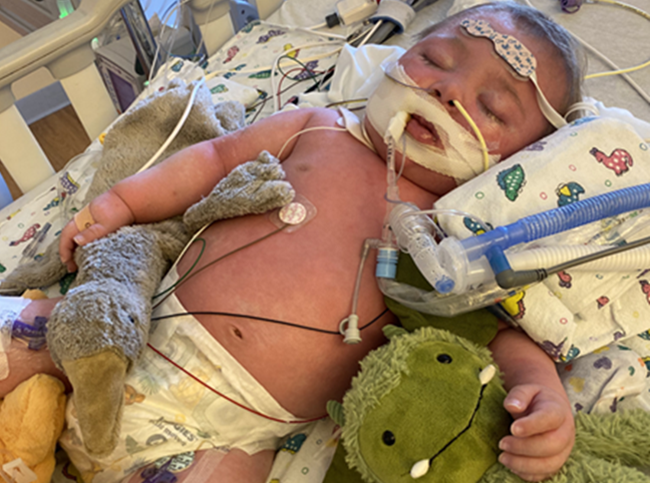
Diagnostic overshadowing is a phrase used to describe a cognitive bias employed by many practitioners. It assumes that all of a patient’s symptoms can be ascribed to a particular pre-existing or chronic condition. This is common in pediatrics, where health issues in children with complex needs, such as Down syndrome, are misattributed to the Down syndrome and not investigated or addressed independently. This leads to delayed diagnoses and treatment, and in many cases, poorer outcomes. It is also common when the root of the ill-health emerges from vitamin deficiencies. By way of example and with the parent’s permission, below is the case of a two-year old boy who developed both wet and dry beriberi due to thiamine deficiency. His condition was worsened by medical treatments and missed because of diagnostic overshadowing.

When Real Treatable Conditions Are Missed

Lev is a bright-eyed, curious two-year-old with Down syndrome. His eyes light up when he hears familiar voices, and he delights in interacting with his parents and siblings. Behind his bright smile, however, lies a complicated medical journey. Like many children with complex medical needs, his early years have been filled with specialist visits, medications, and hospitalizations. For much of his short life, he has been profoundly weak, struggling to gain weight, battling constant vomiting and diarrhea, and falling far behind in gross motor development. What Lev’s story illustrates most powerfully is the danger of diagnostic overshadowing: when real, treatable conditions are missed simply because a child has a known genetic diagnosis.

Lev’s story is complex. Born at 39 weeks with congenital heart defects (a large VSD and ASD), intrauterine growth restriction, and early respiratory distress, he spent his first 13 months in the hospital. By three months old he developed seizures, and by six months he was diagnosed with pulmonary hypertension. He required a GJ-feeding tube, a tracheostomy tube, and was given multiple cardiovascular medications, including high-dose Lasix (furosemide), a loop diuretic known to deplete thiamine (vitamin B1).[1],[2],[3],[4] Despite the intensity of his medical care and frequent hospitalizations, his worsening weakness and developmental regression were never investigated beyond his genetic diagnosis. His inability to lift his head or bear weight was simply attributed to “Down syndrome,” and his declining function was accepted as inevitable. No one on his conventional medical team ever evaluated him for B1 deficiency.

At two years old, Lev has not yet undergone the life-saving surgery to repair his VSD and ASD, an intervention that many children with Down syndrome receive in infancy, because his profound weakness, frequent infections, and uncontrolled pulmonary hypertension have made him too medically fragile to tolerate the procedure.

His mother, worried about his persistent vomiting, diarrhea, poor tone, and developmental delays, began researching on her own. When she came across the symptoms of pediatric beriberi, the severe form of thiamine deficiency, she brought it to the attention of his doctors. They dismissed her concerns.

Fortunately, she persisted.

Profound Mitochondrial Dysfunction

She brought Lev to me after watching my online lecture “Thiamine Deficiency in Children with Special Needs”. At our first visit, it was clear that Lev was experiencing profound mitochondrial dysfunction. He was being fed via GJ-tube with a formula that didn’t provide adequate thiamine to meet his needs. He had been exposed to more than 10 rounds of antibiotics for pneumonia, which likely disrupted his gut flora and impaired his nutrient absorption. He was still taking Lasix, a medication known to deplete thiamine, yet no one had evaluated his thiamine status.

My initial recommendations without any testing included:

  • TTFD (thiamine tetrahydrofurfuryl disulfide) – 50 mg daily in the morning
  • Riboflavin 5-phosphate – 25 mg daily in the morning
  • Magnesium glycinate – 60 mg daily throughout the day
  • Polyenylphosphatidylcholine – 900 mg daily in the morning
  • Vitamin D – 800 IU daily anytime of day
  • Iron bisglycinate – 12 mg daily, preferably on an empty stomach

Lev’s story is not unique in my practice. I’ve identified thiamine deficiency in many children with Down syndrome, often after months or even years of unexplained symptoms that were overlooked or misattributed. Children with Down syndrome are especially vulnerable to thiamine deficiency due to slower gastrointestinal motility, which increases the risk of small intestinal bacterial overgrowth (SIBO) and subsequent nutrient malabsorption.[5] Unfortunately, these underlying contributors are rarely acknowledged in conventional care. Nearly all of my patients have experienced some form of diagnostic overshadowing, where serious but treatable issues are dismissed as “just part of Down syndrome.” This pattern is far too common and far too harmful.

We proceeded with further testing, including an organic acid test and microbial stool analysis, to better understand the underlying contributors to his complex symptoms.

A Two Year Old With Wet and Dry Beriberi

When Lev’s lab results returned, they were staggering. His organic acid test showed:

  • Severely elevated pyruvic acid, lactic acid, and alpha-keto acids – textbook markers of pyruvate dehydrogenase dysfunction, a hallmark of B1 deficiency
  • Broad mitochondrial failure, with elevated markers across the entire Krebs cycle
  • Elevated tartaric acid and D-arabinitol, suggesting significant Candida overgrowth
  • Functional markers of B12, folate, B6, CoQ10, and magnesium deficiencies
  • Elevated quinolinic acid, indicating neuroinflammation
  • Oxidative stress with high lipid peroxides and 8-OHdG

His stool test revealed a severely imbalanced microbiome:

  • Overgrowth of Enterobacter cloacae and Candida albicans
  • Absence of Lactobacillus and E. coli, both important for nutrient absorption and gut health
  • Overgrowth of Clostridium species, which may contribute to inflammation and further disrupt digestion

The conclusion was clear: Lev was suffering from wet and dry beriberi, driven by severe thiamine deficiency, worsened by chronic diuretic use and malabsorption. His seizures, vomiting, poor tone, delayed gross motor skills, and even pulmonary hypertension could all be traced back to a lack of essential B vitamins, especially thiamine. [6],[7], [8]

By the time he came to my clinic, Lev could not even lift his head when placed on his belly, a basic milestone typically achieved in the first months of life. His early seizures (including infantile spasms) had resolved with medication, but their cause had never been identified. In hindsight, these seizures were likely driven by energy failure in the brain, a known consequence of B1 and other B vitamin deficiencies that impair mitochondrial function and neurotransmitter balance.[9]

Within days of starting thiamine and other supports, his mother noticed small but encouraging changes: Lev became more alert, more interactive, and began reaching for toys for the first time, as well as holding his head up when prone (on his belly). His vomiting and reflux diminished. His digestion improved. His body, for the first time in a long time, was beginning to catch up.

My recommendations after reviewing his lab results and discussing them thoroughly with his parents included:

  • Nystatin 500,000 unit tablets – ½ tablet 4 times per day
  • Biocidin – 2 drops twice a day, increasing dose slowly over one week
  • Lactobacillus rhamnosus GG – 15 billion per day, given away from Biocidin
  • TTFD – 200 mg per day in the morning
  • Liposomal CoQ10 – 125 mg per day
  • L-carnitine – 635 mg per day
  • Active B Complex – 1 capsule per day
    • Thiamin (hydrochloride, benfotiamine): 30 mg
    • Riboflavin (riboflavin-5-phosphate): 10 mg
    • Niacin (inositol hexaniacinate): 100 mg
    • Vitamin B6 (pyridoxal-5-phosphate): 25 mg
    • Folate (from (6S)-5-methyltetrahydrofolic acid [MTHF], glucosamine salt, Quatrefolic®): 680 mcg DFE
    • Vitamin B12 (methylcobalamin): 500 mcg
    • Biotin: 250 mcg
    • Pantothenic Acid (calcium D-pantothenate): 100 mg
    • Choline (dihydrogen citrate): 50 mg
    • Inositol: 25 mg
  • R-alpha lipoic acid – 50 mg per day
  • Potassium citrate – 224 mg per day
  • Continue:
    • Riboflavin 25 mg per day
    • Magnesium glycinate 60 mg per day
    • Polyenylphosphatidylcholine 900 mg daily in the morning
    • Vitamin D 800 IU daily anytime of day
    • Iron bisglycinate 12 mg daily, preferably on an empty stomach

The Bigger Picture: Diagnostic Overshadowing in Down Syndrome

Lev’s story is a powerful and heartbreaking example of diagnostic overshadowing, a common but often unspoken problem in the care of children with Down syndrome. This occurs when medical professionals attribute new, worsening, or unexplained symptoms to the child’s known diagnosis rather than investigating further. In Lev’s case, his profound weakness, inability to lift his head, chronic vomiting, diarrhea, and history of seizures were all seen as “typical for Down syndrome.” But they weren’t. They were red flags for severe nutrient deficiencies, particularly thiamine (vitamin B1).

It is imperative for physicians, especially specialists working in critical care units, to recognize the profound impact that vitamins and vitamin deficiencies can have on the physiology of their pediatric patients. In children with complex medical conditions, underlying micronutrient imbalances often go undetected, yet they can significantly impair mitochondrial function, immune regulation, neurological development, and cardiovascular stability. Medications commonly used in hospital settings, such as diuretics, antiepileptics, and proton pump inhibitors, can further deplete essential nutrients like thiamine, magnesium, and B12, compounding the medical vulnerability of these children. A deeper understanding of nutritional biochemistry is essential for preventing avoidable deterioration, improving outcomes, and delivering truly comprehensive pediatric care.

In children with Down syndrome, symptoms like poor muscle tone, delayed milestones, constipation or diarrhea, fatigue, and even seizures are frequently dismissed as part of the condition. This mindset can be deeply harmful. When clinicians stop asking why a symptom is happening, especially when that symptom is new or worsening, they miss opportunities to identify treatable, reversible causes that can dramatically change the trajectory of a child’s health and development.

Lev’s case is sadly not unique. Thiamine deficiency is well-documented in children who are on diuretics like Lasix, who have gut dysfunction, high metabolic demands, or malabsorption – all common features in children with Down syndrome. Yet this critical nutrient is rarely tested, and even less frequently treated. In functional medicine, we are trained to look beneath the surface, to question assumptions, and to search for root causes. For Lev, the cause was clear: his thiamine was being depleted faster than it could be replenished, and no one had been monitoring this vital nutrient, until it was nearly too late.

When diagnostic overshadowing leads to inaction, children suffer unnecessarily. Lev’s story is a call to parents, caregivers, and clinicians to keep asking questions and to never assume that something is “just part of the diagnosis” without first considering what else might be going on.

Lev’s journey is not over, but he is now on a path of healing. His mother continues to advocate fiercely for his care. His treatment plan includes thiamine, mitochondrial support, targeted antimicrobial therapy, and continued nutritional repletion. His case may be complex, but it is not hopeless. He will be monitored closely under my care using functional testing to guide next steps and track progress. I hope his conventional medical team takes the time to carefully review the detailed letter I sent, which outlines the root causes we are addressing and the importance of collaborative support.

Parents – Trust Your Instincts

If you’re a parent of a child with Down syndrome, or any child with complex medical needs, trust your instincts. If something feels off, don’t stop asking questions. If you’ve ever been told, “It’s just part of the condition,” I urge you to ask again. Ask why. Ask what else could be going on. Don’t be afraid to bring up what you’ve read or researched. You know your child best, and your intuition is often the first and most reliable clue that something important is being missed.

diagnostic overshadowing thiamine
July 2025. After two months of thiamine, Lev lifts his head.

Lev’s story is proof of that. His mother recognized something deeper was going on when his professional medical team didn’t. Her persistence is what led her to me and our discovery of a severe, life-altering thiamine deficiency, a diagnosis that had been overlooked despite months of symptoms, hospitalizations, and medications. Her advocacy quite literally changed the course of his life.

If you’re a medical provider, please remember this: Down syndrome is not a catch-all explanation. It is not a reason to stop investigating. Children with Down syndrome deserve the same level of curiosity, biochemical inquiry, and individualized care as every other child. In fact, they often need it more. Micronutrient deficiencies like thiamine (B1) are easy to miss, but they are crucial to mitochondrial function, GI motility, neurodevelopment, and vascular tone. These are not minor contributors; they are foundational to a child’s health and development.

Lev’s weakness, seizures, vomiting, and severe delays were not “just part of Down syndrome.” They were symptoms of a preventable, diagnosable, and treatable condition, and tragically, they were ignored for far too long.

Let’s do better. Let’s listen closer. Let’s not miss it again.

References

[1] Rieck J, Halkin H, Almog S, Seligman H, Lubetsky A, Olchovsky D, Ezra D. Urinary loss of thiamine is increased by low doses of furosemide in healthy volunteers. J Lab Clin Med. 1999 Sep;134(3):238-43. doi: 10.1016/s0022-2143(99)90203-2.

[2] Sica DA. Loop diuretic therapy, thiamine balance, and heart failure. Congest Heart Fail. 2007 Jul-Aug;13(4):244-7. doi: 10.1111/j.1527-5299.2007.06260.x.

[3] Ritorto G, Ussia S, Mollace R, Serra M, Tavernese A, Palma E, Muscoli C, Mollace V, Macrì R. The Pivotal Role of Thiamine Supplementation in Counteracting Cardiometabolic Dysfunctions Associated with Thiamine Deficiency. Int J Mol Sci. 2025 Mar 27;26(7):3090. doi: 10.3390/ijms26073090.

[4] Ryan MP. Diuretics and potassium/magnesium depletion. Directions for treatment. Am J Med. 1987 Mar 20;82(3A):38-47. doi: 10.1016/0002-9343(87)90131-8.

[5] DiBaise JK. Nutritional consequences of small intestinal bacterial overgrowth. Pract Gastroenterol. 2008;32(12):15–28 (https://www.peirsoncenter.com/uploads/6/0/5/5/6055321/sibo_artikel.pdf)

[6] Pache-Wannaz L, Voicu C, Boillat L, Sekarski N. Case Report: severe pulmonary hypertension in a child with micronutrient deficiency. Front Pediatr. 2025 Jan 31;13:1478889. doi: 10.3389/fped.2025.1478889.

[7] C S, Kundana PK, Reddy N, Reddy B S, Poddutoor P, Rizwan A, Konanki R. Thiamine-responsive, life-threatening, pulmonary hypertensive crisis with encephalopathy in young infants: A case series. Eur J Paediatr Neurol. 2022 Jan;36:93-98. doi: 10.1016/j.ejpn.2021.12.010.

[8] Rabinowitz SS. Pediatric beriberi clinical presentation: history, physical, causes. Medscape. Updated March 17, 2014. (https://www.peirsoncenter.com/uploads/6/0/5/5/6055321/pediatric_beriberi_clinical_presentation__history_physical_causes.pdf)

[9] Lanska DJ, Fatal-Valevski A. Epilepsy in children with infantile thiamine deficiency. Neurology. 2010 Feb 23;74(8):702-3; author reply 703. doi: 10.1212/WNL.0b013e3181d2b857.


We Need Your Help

More people than ever are reading Hormones Matter, a testament to the need for independent voices in health and medicine. We are not funded and accept limited advertising. Unlike many health sites, we don’t force you to purchase a subscription. We believe health information should be open to all. If you read Hormones Matter, like it, please help support it. Contribute now.

Yes, I would like to support Hormones Matter. 

Image created using Canva AI.

With Thiamine Paradox Symptoms Patience Is Key

56.9K views

I wanted to share my experience going through thiamine paradox so that others may find hope as they navigate the process. In November of 2019, my life was completely flipped upside down. My full story is here, but briefly, I had taken an antibiotic called Tinidazole, the less popular but almost identical sister drug to Metronidazole. Within days of taking the antibiotic I began to experience frightening symptoms like loss of mobility in my hands, heart palpitations and intense feelings of depression and doom. Less than two weeks later, I went into surgery to get my wisdom teeth removed and was put on a course of penicillin for two weeks.

Within weeks, my health was in a total spiral. I began to experience constant bouts of tachycardia and panic, low blood sugar, dizziness, blurry vision and the inability to sleep. I went from somebody who sleeps 8 hours a night to sleeping for less than an hour on various nights. When sleep did come, I was jolted awake in a panic attack. At times, I was feeling symptoms that mimicked asthma…it was like I couldn’t breathe.

I had no idea what was going on. Multiple trips to the ER did nothing. I continued to get worse. It wasn’t until I traced back what drugs I had taken that I made my way to a Facebook group called “Metronidazole Toxicity Support Group.” It was in that group that I discovered that thousands of others were dealing with the same set of symptoms caused by this horrendously neurotoxic antibiotic. I had known for years that one should avoid fluoroquinolone antibiotics, but research has shown that metronidazole and others in its class present some of the same catastrophic side effects.

Through her own research and contact with Dr. Lonsdale and Dr. Marrs, the founder of the group discovered that metronidazole and other drugs in its class block thiamine in the body. The symptoms of the toxicity mimic those of Wernicke’s encephalopathy.

The solution? Take thiamine.

I thought it was going to be an easy fix. It wasn’t.

Like many posts on Hormones Matter, the topic of paradox frequently comes up, and I am the perfect case study.

In retrospect, I had longstanding symptoms of mild beriberi for a lot of my life. I was constantly dealing with low blood pressure and strange heart symptoms that date back to my teenage years. I grew up eating a typical American diet and started drinking large amounts of coffee in my teens. I loved sugar.

With longstanding thiamine deficiency, the human body changes its chemistry to adapt and survive. When thiamine is reintroduced and things get turned back, your body goes haywire until the chemistry can normalize.

For me, it took three attempts. Every time I would start even the tiniest dose of thiamine HCL, I would erupt in panic, tachycardia, feelings of “seizures” and doom and gloom, chest tightness and head pressure. It was akin to the feeling when somebody knows that they ingested way more marijuana than they should have. Sheer terror. When I took too much one time, I almost landed in the ER because I thought for sure that I was going into cardiac arrest.

My first attempt was in January 2020. I failed miserably and stopped because of the side effects. But I wasn’t getting better and my health continued to spiral. I tried again in March 2020 and made it for 2 weeks before dropping out again. I would crumble pills to get just a little thiamine HCL in my system and I would still feel like a total wreck.

Finally, on my third attempt in May 2020, I made it.

The solution is to start LOW and SLOW. I found a company in the UK that has a liquid form of thiamine HCL that allowed me to do this. I started with 10 mg per day and gradually increased by 10-20 mg over the course of many weeks. I also spread my dose out throughout the day. Dr. Lonsdale predicted the paradox will lift within a month, but for me, it took a bit longer. Within 8 weeks I began to notice that I could safely take a 100mg thiamine HCL pill without experiencing too many symptoms. It continued to get better with time.

Now, almost a year later, I’m taking 300-400mg of thiamine HCL a day and mixing in benfotiamine and allithiamine. In the last 6 months, my health has slowly started to trend upward. I’ve added in a B complex at times and I’m also working on my B12. The heart palpitations are significantly better, I’m less prone to panic attacks than I have been in years, and my brain fog has lifted. What I’m left with is some slight dizziness (though it is significantly better), blurry vision that waxes and wanes, and my blood sugar is still presenting some issues. Still, I feel like I’m trending in the right direction and that things continue to slowly improve.

My advice for those of you encountering paradox symptoms is this: BE PATIENT. It sucks. But the rewards on the other end are so worth it. I would also advise you to dramatically increase your potassium through food. This didn’t eliminate the paradox feelings entirely but it did help reduce them.

We Need Your Help

More people than ever are reading Hormones Matter, a testament to the need for independent voices in health and medicine. We are not funded and accept limited advertising. Unlike many health sites, we don’t force you to purchase a subscription. We believe health information should be open to all. If you read Hormones Matter, like it, please help support it. Contribute now.

Yes, I would like to support Hormones Matter. 

Photo by Aron Visuals on Unsplash.

This article was publish originally on January 26, 2021. 

Virginia Woolf and Me – Moments of Being Misunderstood

4.7K views

Virginia Woolf, an English writer who pioneered the use of stream of consciousness narration, was a tremendous diarist. Her diaries and her collection of autobiographical essays, ‘Moments of Being’1, reveal her longstanding struggle with health issues that today might be classified as Myalgic Encephalitis/Chronic Fatigue Syndrome (ME/CFS). Reading her work for a creative writing class, I realized that her unrelenting fatigue, brain fog, and memory issues might have been due to unrecognized thiamine deficiency; an issue that I have struggled with, and published articles here and here and written two books about: The Missing Link in Dementia and Swimming in Circles.

‘My Brain Is Like a Scale’ – A Familiar Symptom of Thiamine Deficiency

Virginia’s diaries logged, in vivid detail, the symptoms she experienced – a condition which, like many today, had no clear diagnosis or treatment. She suffered with severe fatigue, ‘such an exaggerated tiredness’2(p.121), which fluctuated, ‘My brain is like a scale: one grain pulls it down. Yesterday it balanced: today it dips’2(p.260). The fatigue was noticeably worse after physical exertion, ‘But I am too tired this morning: too much strain and racing yesterday’2(p.263), but also deteriorated after socializing, ‘I’m too tired to go on with [reading]. Why? Talking too much I daresay. I thought, though, I wanted “society”’2 (p.230). Her symptoms recovered with rest – ‘A day off today’2(p.230).

In my memoir, ‘The Missing Link in Dementia’, I describe an illness characterized by extreme fatigue, insomnia, post-exertional malaise and significant memory problems. My condition progressively deteriorated, and I became extremely tired all the time. Severe insomnia left me restless most nights, and I would awake each day feeling unrefreshed and permanently exhausted. Any physical exertion, even walking, worsened the fatigue, my legs would feel heavy like dead weights, powerless and clumsy.

The most frightening symptom was short-term memory loss. I would spend hours reminiscing; spectacularly clear distant memories were more easily retrieved than any recent event. I experienced brain fog, reminding me of my pregnancy-induced woolly brain. I was forgetting things – outcomes of discussions or meetings at work, names, and then faces. I struggled to concentrate. I feared I was developing early dementia, and that my brain was becoming encased in amyloid plaques. In my memoir I described how I imagined these smothering my brain like a fleece in winter. Over time I steadily deteriorated with frightening moments of being unable to recognize my surroundings.

I wrote my memoir before reading the description of Virginia’s vivid memories of a happy childhood that were, ‘more real than the present moment.’1(p67). She tried to rationalize this experience – the strength of simple childhood memories compared with the weak later memories, describing ‘non-being’ as everyday activities that did not assimilate into our memory banks. She wrote, ‘I’m brain fagged’2(p.309), ‘I have already forgotten what we talked about at lunch; and at tea;’1(p70) but she knew that ‘although it was good day the goodness was embedded in a kind of nondescript cotton wool.’1(p70). Shortly before the end of her life she wrote: ‘I can’t concentrate’, ‘I can’t read’3. She had cognitive decline with short term memory loss.

The Emotional Component of Inadequate Thiamine

In contrast to my numbed senses, my emotions were far from muted, I was overly excitable or would burst into tears or become inappropriately angry at minimal provocation. I suffered with palpitations which were disconcerting, and at times, disturbing. Virginia wrote that she, ‘felt such rage’1(p125) and that her, ‘heart leapt: and stopped: and leapt again…and the pulse leapt into [her] head and beat and beat, more savagely, more quickly.’2(p.179)

I was scared, not knowing where to turn to for help. My quality of life was extremely poor. I had always been an optimist, but I could see no future living like this. I even contemplated suicide, because I did not wish to become a burden. I thought I was going to die anyway, and I was extremely sad that I wouldn’t see my children grow-up, but I thought that they would be better off without me. It seems terrible now – selfish even, but I was unable to control how I felt.

Virginia had suffered with an illness that had features of depression, she felt ‘such anguishes and despairs’2(p.94).  She wrote that she was spoiling Leonard’s life. Tragically, she committed suicide in 1941 shortly after completing the manuscript of her last novel. She was 59. In her suicide note she wrote that: ‘Everything has gone from me’3(p.481).

Anorexia: A Cause and Consequence of Inadequate Thiamine

As a young adult Virginia had a stressful seven years with multiple deaths in the family1(p.117), sexual abuse during adolescence1(p.69), and probably had anorexia according to her great niece, Emma Woolf. Virginia was almost 6 foot and weighed 7st 6lb (104lbs) when she was institutionalized for rest and feeding, her body mass index (BMI) was 14.5, a marker that she was significantly underweight.

I found out in my forties that I had a congenitally malrotated gut, presenting unusually as an adult. I had developed marked slowing of my guts, so that it was becoming impossible to eat. The slowing of my guts meant that I no longer felt hungry. I had to remember to eat, to force myself to eat. I lost weight, dropping from size 12 to 6. I lost muscle mass; where previously I had muscles there were now gutters. The muscles were constantly twitching – fasciculation’s, tics, tremblings or flutterings.

Neurasthenia: The ME/CFS of the Time

It is likely that Virginia was influenced by Jane Austen. Virginia’s first novel has many links to Austen’s novels, including the names of characters. Famous quotes from Austen’s Pride and Prejudice hint at Mrs. Bennet’s underlying condition: ‘Mr. Bennet…You have no compassion on my poor nerves.’4(p.7), ‘…I am frightened out of my wits; and have such tremblings, such flutterings, all over me, such spasms in my side, and pains in my head, and such beatings at heart, that I can get no rest by night nor day’4 (pp.273-4).

Virginia Woolf and Jane Austen’s Mrs. Bennet were both thought to have suffered with neurasthenia, literally weak nerves, a term originally used in the nineteenth century United States, when it was associated with busy society women and overworked businessmen. The first description of neurasthenia was published by American neurologist Beard in 1869. Virginia wrote that she was ‘extremely social…for ever lunching and dining out…or going to concerts…and coming home to find the drawing room full…of people.’1(p.163) She was obliged to participate because the ‘pressure of society was now very strong.’ 1(p.128) She repeatedly spoke of a ‘world of dances and dinners’1(pp.170, 172).

Low Thiamine Causes Low Energy Levels

One of the problems in ME/CFS/neurasthenia is that there are no tests. A clue is that the predominant symptom is fatigue. After excluding other causes of fatigue, a prime suspect must be faulty energy production. Another problem in ME/CFS/neurasthenia is that there is a lack of understanding about the basic energy producing processes or the fact that thiamine, or vitamin B1, is crucial.

ATP (adenosine with three phosphates) is the main energy currency. Energy is released each time a phosphate group is removed from adenosine, becoming ADP (adenosine with two phosphates). This is the human equivalent of a rechargeable battery.

Respiration is the breakdown of food-fuel to release energy. The predominant fuel, glucose, is broken down to produce pyruvate via glycolysis – literally glucose breakdown. This pathway doesn’t require thiamine (or oxygen). It produces two ATP. This is just small change in comparison with the energy produced in the battery factory – mitochondria.

Entry into the battery factory is through the gatekeeper enzyme – pyruvate dehydrogenase. This enzyme breaks down pyruvate, and importantly, requires thiamine as a co-factor – it malfunctions without thiamine.

Once inside the factory there are two production lines: one continuously uses recycled components (tricyclic acid cycle) and the other is a chain of reactions (electron transfer chain). These processes make significantly more ATP, producing more charge, more efficiently – like ultra-rapid charging for EVs. Obviously, this is a simplified version to hammer home the message that thiamine matters. A more accurate, detailed and scientific (less creative) description can be found here.

A shortage of thiamine (or oxygen) results in the excess pyruvate being converted to lactic acid. A familiar sensation to anyone who has sprinted 100m, when the demand for energy is higher than production, is the build-up lactic acidosis in the muscles, causing cramping, burning or weakness. This diversion of metabolism to an anaerobic (without oxygen or thiamine) pathway is inefficient, because another chemical reaction, requiring yet more energy, is required for the muscles to remove the lactic acid and recover. This results in an energy debt as it costs more energy to return the lactic acid to the usable pyruvate – akin to buying back the family silver from the pawn shop.

During exertion thiamine is required to ensure the higher power charge is readily available. Excess lactic acid results when energy requirements outstrip production, whether from a lack of oxygen or thiamine. In patients with ME/CFS, lactic acid accumulates more readily during exercise and before oxygen supplies are exhausted, and an elevated lactic acid level is found in the fluid surrounding the brain. Malfunctioning pyruvate dehydrogenase has been identified as key in ME/CFS. These patients feel like they are doing a 100m sprint whenever they try to walk. The (now debunked) treatment of patients with ME/CFS with exercise therapy, shows that their condition was misunderstood.

For those with a more sedentary existence, falling asleep with an arm above your head gives the same sensation. When the blood starts to circulate the arm temporarily feels like a dead weight. The arm is incredibly weak and lacks coordination. This is because the nerves no longer respond to the instructions from the brain.

Weak Nerves? Think Thiamine.

Nerves are highly susceptible to thiamine deficiency. The poorly insulated nerves – the autonomic nerves – are particularly vulnerable to thiamine deficiency. These autonomic nerves control the fight and flight response and regulate gut movement, sweating and heart rate – the ‘housekeeping’ functions which are outside voluntary control. After prolonged thiamine deficiency, eventually all nerves are affected, including the larger, better-insulated sensory and motor nerves. Arguably, the term neurasthenia is more appropriate than ME, it indicates the underlying problem – reduced nerve function.

According to the hypothesis that I describe in my memoir, excess thiamine-destroying bacteria, in the part of the gut responsible for absorbing nutrients, reduce thiamine availability. Vitamin D deficiency is common in bacterial overgrowth; it makes sense that it is a surrogate marker for thiamine deficiency. Vitamin D deficiency often occurs in patients with ME/CFS.

Rest, Recover, and Recharge

Back then, the best treatment for neurasthenia was the ‘rest cure’. Beard, a sufferer himself, astutely remarked that it was due to the body being drained of nervous energy due to an overtaxed supply of energy. Virginia was treated with rest and recognised that her nerves required respect: ‘Only nerve vigour wanted’2(p230). She was also treated with a high protein diet. Similar approaches have been popularised today. Diets such as paleo, South Beach and Mediterranean support a higher protein consumption. I ate a low carbohydrate diet for years and still avoid sugar now. I also took thiamine supplements, had corrective gut surgery and antibiotics. Popular techniques for resting the mind and body include meditation, yoga, relaxation and mindfulness. Resting helped me. It wasn’t easy, because I felt agitated and compelled to move. I spent hours doing jigsaws, aware that I was recharging my batteries – a term I’ve used but not reflected on. Strangely, this is the underlying problem: low charge, faulty charging, poor battery capacity. We have a far better understanding of modern technology that has been around for a few decades than the human system in existence for millennia which is reliant on thiamine.

Thiamine Deficiency, Modern Lifestyle, and Sugar Cravings

Humans have some design glitches predating our modern lifestyles. The first anomaly is that ATP is not stored, and the ATP generated is used 1000 times over each day – the body must constantly produce and recycle ATP. The second design fault is that thiamine, despite being essential, is not stored and is only poorly absorbed through the gut. Low thiamine levels are prevalent in society, leading to faulty recharging of our internal batteries.

Beard, who wrote about his neurasthenia in 1869, thought it was due to American modernization. He was right; we have made poor lifestyle choices. In the United States, sugar became readily available after 1864, following the civil war, with the construction of the biggest sugar refinery in the world on Long Island and a reduction in taxes. In the UK, sugar consumption escalated a century earlier, Britain was described as the ‘sweetshop of Europe’, thought to be in part due to our tea-drinking habit. By the time Jane Austen was writing, sugar was Britain’s most valuable import. Originally a condition affecting the upper classes, neurasthenia spread to the lower classes, as sugar became more affordable, although this may reflect access to medical care.

I had been craving sugar for years to gain short bursts of energy as I flagged, adding sugar to tea, one teaspoon became two, then three. Like topping up a meter constantly with small change, the sweet tea momentarily cleared the brain fog, allowing me to see another patient or simply make it to the end of the day. I experienced the same sensation in my colleague’s office after a dose of intravenous thiamine – the cotton wool vaporized.

The brain only uses glucose for energy production, whereas muscles can use protein as a fuel. I now understand that by drinking sugar-charged tea I had been supplying my glucose-dependent brain with glucose for the glycolysis pathway but because I was deficient in thiamine, the products of glycolysis could not enter the TCA cycle and progress to the electron transport chain where most of the ATP is made. The sugar craving was a sign that my brain was starving – desperate for energy – for titbits of ATP.

Factors Affecting Women

ME predominantly affects women. In many cases there is a deterioration during the peri-menarche or perimenopause, times of marked growth and/or hormonal changes. Progesterone slows gut motility. Estrogen improves nerve connections in the hippocampus – the part of the brain responsible for working or short-term memory, it also increases glucose uptake into the brain.

Being perimenopausal, my falling estrogen levels meant that the brain uptake of glucose was less efficient. Glucose offered short-term relief but exacerbated the bacterial overgrowth and malabsorption. It was clear that I had been breaking down muscle and using it as a protein source to produce energy outside my brain, contributing to the muscle wasting I experienced.

Thiamine is depleted during pregnancy, breast feeding, growth, infections and exercise. Having had four children, all breast fed, I had started exercising to get fit, and lost weight, initially intentionally. Other familial factors, immune deficiency causing recurrent infections or defective thiamine uptake genes, might have contributed. I had multiple factors, any one of which would deplete thiamine.

Was Virginia Woolf Deficient in Thiamine?

We will never know. What we do know though is that thiamine deficiency leads to poorly functioning housekeeping nerves and slow guts, predisposing to small intestinal bacterial overgrowth. This causes reduced appetite, trouble eating, reducing thiamine intake further. It is a physical problem caused by vitamin deficiency, poor nerve function initially, and eventually, nerve damage. Thiamine deficiency is treatable. It is not a psychiatric illness – the mental symptoms I experienced were caused by thiamine deficiency. Virginia Woolf was probably thiamine deficient too, having suffered with anorexia nervosa. She had a diagnosis of neurasthenia, now known as ME/CFS. Millions of people suffer with ME/CFS. Perhaps it is time we look into thiamine.

References

  1. Woolf V. Moments of being unpublished autobiographical writings. Schulkind J (ed). New York and London: Harcourt Brace, Jovanovich; 1976.
  2. Woolf V. A writer’s diary: being extracts from the diary of Virginia Woolf. Woolf L (ed). New York: Harcourt inc.; 1953.
  3. Woolf V. The Letters of Virginia Woolf. Vol. 6, 1936-1941. Nicolson N, Trautmann J (ed). London: The Hogarth Press; 1980.
  4. Austen J. Pride and prejudice. Vivien Jones (ed). London: Penguin Classics; 2003.

We Need Your Help

More people than ever are reading Hormones Matter, a testament to the need for independent voices in health and medicine. We are not funded and accept limited advertising. Unlike many health sites, we don’t force you to purchase a subscription. We believe health information should be open to all. If you read Hormones Matter, like it, please help support it. Contribute now.

Yes, I would like to support Hormones Matter.

Image credit: Harvard University library, Public domain, via Wikimedia Commons.

1 2 3 4 5 6 15