mitochondria

Mitochondria Need Nutrients

27.9K views

One of the more common questions I get asked is which nutrients do the mitochondria need to function well? This is really two questions. The first involves which nutrients are involved in the enzymatic processes that allow the mitochondria to convert food to ATP and to manage all of the other tasks that they are responsible for like inflammation, immune function, and steroidogenesis. The second question applies specifically to the individual. It is a question of what he/she needs to be healthy. The answers to both are entirely different. While it is true that there are a set of nutrient co-factors involved in the mitochondrial machinery and these are necessary for mitochondrial function for everyone, which ones and how much of each an individual may need to support his or her health varies significantly. Moreover, although there are baseline minimum nutrient requirements that tell us where insufficiency diseases are likely to develop, what determines an individual’s health or disease is entirely dependent upon genetics, exposures, diet and lifestyle, and even day to day stress. Here, there is no one-size-fits all prescription for nutrient replacement and supplementation or even diet and exercise. This frustrates folks to no end and I think it is one of the reasons both patients and physicians are so reticent to look toward nutrient supplementation seriously as a therapeutic option.

Both the current model of medicine, and to a large degree, the way we approach nutritional therapies, relies very heavily on the silver bullet approach to health. If we’re honest with ourselves, so too do we. It is so much simpler to believe that if we just take X drug or vitamin in Y dose, all of our health issues will disappear and they will disappear at set rate that is linear and predictable. Unfortunately, this is not how the body works. While there is an internal chemistry that requires certain nutrients to function appropriately, that chemistry varies ever so slightly by genetics and is endlessly modified by life itself. There is no one-size-fit-all. There are no magic supplements. There is just your chemistry and your needs.

Since I have written repeatedly on the mitochondria and the reasons why nutrients are required for health, this post will not tackle those topics. Articles on those topics can be found on Hormones Matter with any number of search terms. This information can also be found in the book, Thiamine Deficiency Disease, Dysautonomia, and High Calorie Malnutrition, that I co-authored with Dr. Lonsdale. Here, since many have requested it, I just would like to present a graphic illustrating mitochondrial nutrient requirements. This is from Chapter 3 of our book. Use this as template to understanding your health.

Figure 1. Nutrient requirements for healthy mitochondria.
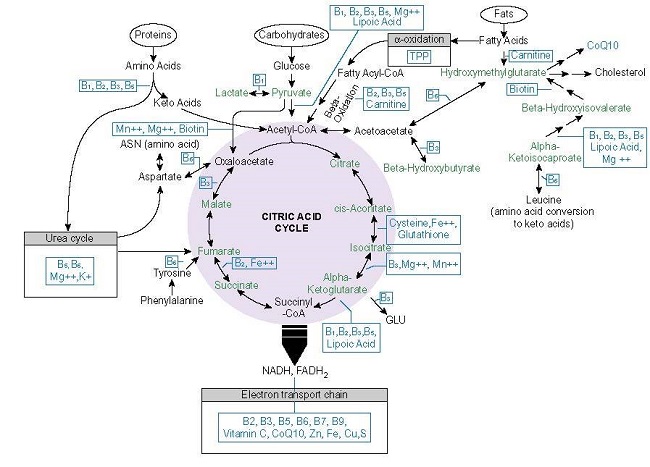
mitochondrial nutrientsA few things should be pointed out. First, while these nutrients are required by everyone for proper mitochondrial functioning, not everyone needs to supplement with each one, or even sometimes any of them, although that is becoming increasingly rare with modern dietary patterns. Secondly, notice how many times and where vitamin B1 (thiamine) appears in this chart. It is at the entry points of the entire system and at various junctures throughout. This suggests that among all of the nutrients required for healthy mitochondria, thiamine is particularly important. Unfortunately, it is the one nutrient that is so often ignored or missed in testing. Indeed, that is why we wrote the book. Thirdly, notice how many vitamins are required to process the food we eat into ATP. Contrary to popular opinion, we need more than simply empty calories. For the foods we eat to be converted into ATP, there are multitude of vitamins and minerals required that may or may not be included in sufficient density with the macronutrients we consume daily. Finally, not discussed in this chart, but discussed in great detail in the book, synthetic chemicals, whether in form of pharmaceuticals, industrial, environmental, or food production, damage the mitochondria. Some deplete nutrients directly, while others damage aspects of mitochondrial functioning that necessitate increased nutrient density for the enzyme machinery to work. Of course, underlying all of this, are the genetic variables that each of us brings to the table. These influence how well or poorly we metabolize any of these nutrients from the get-go. All of this combines to make nutrient therapies complicated.

What is not complicated, however, is that we need nutrients to function and so, no matter what else we do to improve health, if we do not address nutrient concentrations, we can never be well. Mitochondrial functioning demands nutrients, and thus, health demands the same. Nutrient deficiencies are not something we can override with a pharmaceutical. That being said, addressing nutrient deficiencies holds great promise for those seeking health. If you or someone you love experiences chronic and complicated illnesses that have been treatment refractory, consider healing the mitochondria by tackling nutrient deficiencies. You might be surprised at well this works.

We Need Your Help

More people than ever are reading Hormones Matter, a testament to the need for independent voices in health and medicine. We are not funded and accept limited advertising. Unlike many health sites, we don’t force you to purchase a subscription. We believe health information should be open to all. If you read Hormones Matter, like it, please help support it. Contribute now.

Yes, I would like to support Hormones Matter. 

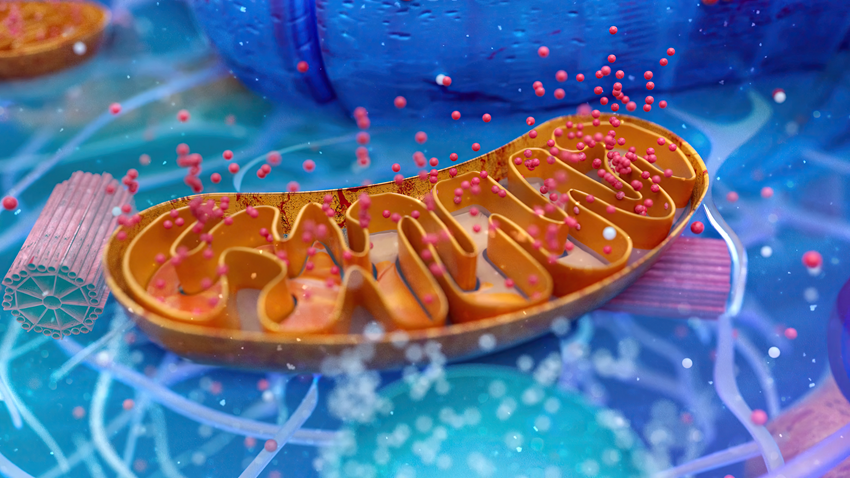
Image credit: Free AI created illustration from Magnific

This article was originally published on November 11, 2019.

Chemistry Versus Philosophy: Where Rubber Meets Road in Diet Debates

13.8K views

At least once a week, I have a conversation involving all the reasons why someone cannot/does not/will not consider changes to their diet a necessary step to health. Sometimes the conversation is more about the difficulties of overcoming lifelong bad habits. For those folks, change is difficult but not impossible. Sometimes the conversation involves appreciating that diet and nutrients actually matter. For these folks, change is possible but considerably more difficult. It often does not occur until their health hits rock bottom and they have nothing else to lose by addressing diet. This, of course, makes healing that much more arduous.

Inevitably, however, there are folks for whom eating a particular way is a deeply entrenched philosophical decision. There, I am of no help. Nothing I say and no research I provide will convince them that their body chemistry does not care about their food philosophy. Maintaining that philosophical fortitude is all that matters, health be damned and it often is, sometimes quite severely. These are the conversations that simultaneously infuriate me and break my heart. To watch someone’s health degenerate, knowing all-the-while it does not have to, is perhaps one of the more painful aspects of my work.

It seems that food is no longer valued for its nourishment potential. Instead, it has become a religion of sorts, one that is wrapped tightly in emotion. It is our reason for pleasure and pain, stress, and in many cases, though we don’t like to admit it, no small amount of self-loathing. It seems no matter what we eat, we feel guilt, and then, as if to bury that guilt, we give ourselves a reason to eat more of the very foods we know we should not eat. It is a vicious cycle. With all of these emotional tags to food, it is difficult to acknowledge that food, or good food rather, is a necessary component of health. What is even more difficult to acknowledge is that unhealthy foods or even just the wrong foods, can induce disease.

Food, Mitochondria and Energy

A fundamental, although unrecognized, component of health is mitochondrial functioning. As the producers of cellular energy and regulators of a host of other important functions, mitochondria determine how well our bodies respond to stressors. And let’s face it, everything in life is a stressor requiring some amount of energy to resolve. Living itself requires energy. Living in a toxic, ramped up world is a big stressor requiring more energy. Illness is a stressor, chronic illness even more so. The medications used to treat illnesses are stressors, damaging the mitochondria by a myriad of mechanisms including depleting vital nutrients. Those nutrients have to come from food, real food, not the processed, sugary, food-like substances we crave. Sometimes, the extra energy needed to fight illness requires supplements, at pharmacological doses, but, and this is important, supplements will never compensate for a bad diet. Ever.

A Healthier Way to Think about Food

What we ingest and how well we metabolize those foods determines to what degree and whether the mitochondria function. In that regard, food is the very foundation of health or disease. It can heal us or harm us based upon its chemistry and ours. For all the complexity of nutrition, it is really quite simple: does the chemistry of the food you eat match the needs of your chemistry? If it does not match, no matter what else you do to improve your health, there will always be something lacking. This is a critical point that is frequently ignored in modern medicine.

Folks often ask me what they should eat and while I cannot recommend a particular diet, here are three questions to evaluate the ‘healthiness’ your diet. Is the inherent chemistry of the food you eat well-suited to your body’s chemistry? Does what you eat provide your body with the necessary macro- and micronutrients it needs to function efficiently? Does what you eat reduce or induce stress in your the body?

How do you know the answers to these questions? Simple. Ask yourself, are you healthy? Are you doing all that you want to do without pain and without medications? Do you have what you consider an appropriate amount of energy? If the answer is yes to each of these questions, then congratulations, you are among the healthy and maybe there is no need to look at diet. For most folks, however, the answer is no to one or all of these questions. In fact, for most of the folks I interact with, energy levels are suboptimal, pain and other issues are present, and medications are used chronically to subsist. This is where diet matters most, and sadly, this is also where dietary changes are often the most difficult.

If one is chronically ill, using multiple medications, chances are the chemistry of the food consumed does not match the nutritional demands. Sometimes the diet is too toxic – e.g. conventionally grown, raised or processed foods. Other times, the diet simply does not provide sufficient macronutrients (protein, fat or carbs) and/or micronutrients (vitamins and minerals) to meet the body’s energetic demands. This effectively starves the mitochondria, evoking the reactions involved in chronic disease: inflammation, immune and metabolic dysfunction. Reactions that no amount of medication can resolve.

Still Don’t Believe Diet Impacts Health?

Perhaps one of the clearest examples of the effects of diet on health can be seen below. Dr. Wahls was essentially chair/bedridden, crippled by multiple sclerosis until she addressed her diet. Sadly, none of her physicians suggested addressing diet. She, like so many others, had to come to this recognition on her own and figure out what her body needed to heal.

If you have not seen this, take 20 minutes to watch it.

And while the Wahls’ diet may not work for everyone, the point it makes is clear. Diet and nutrients matter. Chemistry matters. One’s philosophical or emotional ties to food do not.

If you are suffering from a complex or chronic condition, consider how what you are eating affects your health. Put aside your philosophical views on food and just look at the chemistry.

We Need Your Help

More people than ever are reading Hormones Matter, a testament to the need for independent voices in health and medicine. We are not funded and accept limited advertising. Unlike many health sites, we don’t force you to purchase a subscription. We believe health information should be open to all. If you read Hormones Matter, like it, please help support it. Contribute now.

Yes, I would like to support Hormones Matter.

Photo by George Huffman on Unsplash.

This article was published originally on March 7, 2018. 

The Winnowing of the Western Diet: Reconsidering Food Sensitivities

12.9K views

A few weeks ago, I posted some articles on Facebook regarding the need for protein in one’s diet (here, here). I believe that the lack of protein in the modern diet and the subsequent substitution with processed carbohydrates is one of the leading contributors to metabolic disease. Over the last 50 years or so, we have become increasingly afraid of eating protein and fat. Convinced by industry-sponsored advertising and ill-conceived medical science postulating that only calories matter and that eating fat makes one fat, we avoided the higher calorie foods like meat and shifted our diets towards lab manipulated, but lower calorie and lower fat, ultra-processed carbohydrates. This has left much of the population starved for both macro (protein, fats, and plant-based carbohydrates) and micro (vitamins and minerals) nutrients. Ironically, the push to avoid high-calorie foods has resulted in higher calorie intakes in those who regularly consume ‘low-calorie’ foods than those who consume the higher calorie whole foods.

Similarly ironic, a corresponding form of malnutrition develops as a result of the low nutrient content in these industrial foods – this despite nutrient fortification. We have labeled this type of malnutrition as high calorie malnutrition. It is a metabolic starvation of sorts that develops concurrently with obesity, but also, with many disease processes including, I would suspect, food sensitivities. With the choice of highly processed foods, excessive calories must be consumed to meet the minimum nutrient requirements. Sugar is metabolically easy energy. So too is fat. Protein, by comparison, is not. Unfortunately, sugar, though technically energy-rich, is nutrition poor, and therein lies much of the problem. Worse yet, the fats used in most processed foods are hydrogenated, and thus, provide few health benefits but carry many risks.

When I bring up the notion of eating more protein, fat, or simply eating more nutrient-dense foods in general, I am met with resistance, sometimes philosophical, but oftentimes, based upon long-entrenched food sensitivities that develop over time, eventually winnowing the number of non-triggering foods down to almost nothing. Over the last several years, the breadth and depth of individual food sensitivities has exploded. Sensitivities to protein and fats, in particular, seem to be growing, but also to fruits and vegetables and, of course, grains. These are not allergies in the traditional sense, though there may be an altered histamine response involved. Rather, they may represent a complicated response to a lack of particular nutrients that results in the inability to digest or metabolize certain foods.

In response to the aforementioned posts on protein, a reader asked:

Chandler Marrs, what about the inability to absorb protein? …About 17 years prior to my husband’s death, he started eating all kinds of junk food (carbs). Every piece of crap he could pick up at Dollar General…he had never had a sweet tooth or liked junk food till then. Visiting with his neurosurgeon after my husband’s death…on diet and progression of his issues, he told me that when [my husband] went to junk food it was for energy, that he was no longer able to absorb protein. He told me that my husband was doing what his body dictated he do, the only thing he could do for energy…

I don’t know the history behind this gentleman’s illness, nor any of the details beyond what was posted above, but I would not be surprised if cancer were involved, perhaps in the brain, either originally or one that metastasized. The reason behind my suspicions is that cancer involves a switch in energy metabolism, wherein sugars are no longer used effectively in the manufacture of ATP – cellular energy – creating a sense of starvation, particularly when other fuels are absent and/or the machinery used to convert the other fuels to energy is deranged. Even if cancer was not part of this gentleman’s illness, the craving for sugars and the suspected inability to absorb or utilize proteins and fats for energy production points to a common metabolic adaptation to a longstanding nutrient-poor diet. It is a chemical conditioning of sorts, much like a drug addiction, that nets cravings for the foods/fuels that maintain the new normal, whatever that state may be.

What is often missed in the discussions of food sensitivities is that to digest and metabolize foods and convert them into usable and beneficial substrates for health, the machinery responsible requires nutrient co-factors e.g. vitamins and minerals. Absent those co-factors, food cannot be processed into ATP in the mitochondria. And absent ATP, none of the other processes in the body work. Since those co-factors come from the foods themselves, it is a reciprocating process. Nutrient dense foods provide the cofactors to process more micro-and macronutrients while effectively producing the requisite ATP. In contrast, nutrient poor foods provide an excess of sugars – potential energy – that can never fully be converted to actual energy or ATP because the machinery responsible for processing those foods is starving for nutrients, and thus, does not work very well. When one is not able to convert the food to energy nor to derive what few nutrients may come with these foods, cascades of ill-health begin. One of those cascades involves storing the excess as fat. To the extent one is able to store this fat, though unsightly, I imagine is a highly adaptive response, as individuals with similarly poor diets who do not or cannot store fat, risk a comparatively higher rate of all-cause mortality.

Returning to the question of food sensitivities, or more appropriately, the inability to digest and metabolize particular foods, I suspect that longstanding dietary factors, along with genetic and/or environmentally induced epigenetic variables, create and then maintain nutrient deficiencies that inhibit one’s ability to ‘eat’ certain foods. Across time and as those foods are avoided, nutrient availability continues to decline. Mitochondrial function is perturbed but adapts to the new environment, resulting in chemical reactions that induce inflammation and the other patterns so common with metabolic disturbances. This may include intense cravings for certain foods that are metabolically more accessible, like sugars. Admittedly, sugars are exactly what a body in this state does not need, but much like the cravings for drugs in an addiction model, I suspect the body has adapted to having this substance present in high concentrations. It has re-regulated itself accordingly, and because of this, both the absence of the substance and the addition of other, metabolically less well-adapted substances, cause great distress chemically. These changes are then experienced symptomatically.

We know from addiction models, that when a substance is present continuously and in high concentrations, the body adapts so that it can maintain some sort of homeostasis and survive. Receptors, transporters, enzymes, and the like, are reregulated. Some upregulate, others downregulate. As this reregulation occurs, the body becomes chemically conditioned to its new state, seeking to maintain it at whatever cost. When what is in excess carries no nutritional value, as it so often does, we have the bonus of starving the enzymes that make metabolism possible, further imperiling health. At the root of much of this reregulation is nutrition or lack thereof. Every enzyme in the body requires nutrient co-factors to function. Absent these nutrients, metabolism falters; not just the metabolism of foods to energy but the metabolism of drugs, the metabolism of neurotransmitters, hormones, and the like. Absent nutrients, we have widespread changes in the totality of our biochemistry. How those changes manifest is dependent upon the individual’s genetic makeup and environment, but make no mistake, they are occurring.

While it is clear that one can avoid many of these problems by eating a nutrient-dense diet, it is not as clear how one recovers these functions once they are lost. Do we simply feed the offending substance until tolerance develops? Or do we tackle the enzyme issues first, supplying the requisite nutrients in the form of supplements so that they function more effectively and then re-introduce the offending foods? I don’t know the answer, but my instincts tell me that enzyme issues have to be addressed first and the vitamin and mineral deficiencies corrected before the offending foods can be reintroduced. What I do know, however, is that something must be done. Human beings cannot live well or for very long without protein and fat. Those are requisite substrates for health.

We Need Your Help

More people than ever are reading Hormones Matter, a testament to the need for independent voices in health and medicine. We are not funded and accept limited advertising. Unlike many health sites, we don’t force you to purchase a subscription. We believe health information should be open to all. If you read Hormones Matter, and like it, please help support it. Contribute now.

Yes, I would like to support Hormones Matter.

Image credit: Free public domain CC0 photo.
ID : 5962536

This article was first published on June 20, 2019.

Poor Nutrition Stress: The Enemy of Health

12.9K views

In previous posts, I have indicated that stress can initiate or exacerbate disease and medication or vaccine adverse reactions. Read that statement, you might think I am attributing the onset of serious disease and adverse reactions to a psychosocial cause. That is not the case. Stress comes in a myriad of forms, some external, some internal, and although much of what we call stress relates to psychosocial responses to perceived threats, I think stress encapsulates so much more. At its most fundamental level, stress represents a physical state where the body is performing less than optimally. Let me explain.

What is Stress?

I define the word “stress” as a physical or mental force that is acting upon you. An example of mental or psychosocial stress might be an insult from a person, meaning that the stress comes from a source outside the body. On the other hand, it might be the realization that a deadline has to be met, a mental source from within. Any form of injury is an obvious source of physical stress. Physical action such as shoveling snow is another form of stress, demanding energy consumption imposed by the individual who wishes to get rid of the snow. Being infected with a virus or by bacteria is a form of stress that demands a defensive reaction. In each of these instances, the body reacts to the inflicting stressor. Sometimes, when the resources are available, it reacts efficiently. Other times, when the resources are not available or when additional factors intercede, the body’s response to the stress is ill-adapted.

Your Body is Your Fortress, Your Immune System the Soldiers

Perhaps an analogy might help to provide an explanation for the remarks that follow. I imagine the body as being like an old fashioned fortress. The people living within it go into action when the fortress is attacked by an enemy from outside. It would be of little use if the defense soldiers went to the eastern battlements if the attack came from the west and so there had to be a central figure that would coordinate the defensive reaction. The nature of the attack would be spotted by a guard on duty and the central figure informed by messenger.

The body represents the fortress and the lower part of the brain represents the central figure that coordinates the defense. The cells in the blood known as white cells can be thought of as soldiers, armed with the necessary weapons to meet the nature of the enemy. Suppose, for example, a person’s finger is stuck by a splinter carrying a disease bearing germ. The pain, felt in the brain, recognizes its source and interprets it as a signal that an attack has occurred. White cells in the area can be regarded as the “militia under local command” and a “beachhead” is formed to wall off the attack. The white cells sacrifice themselves and as they die, they form what we call pus. If the beachhead is broken and the germs manage to get into the bloodstream, it is then called septicemia and the brain/body goes into a full defensive reaction where high fever is the most obvious result. Such an illness is an attack/defense battle.

The symptoms that develop from such an infection represent the evidence for this defense, feeling ill, pain and developing a fever are excellent examples. Micro-organisms are most efficient at 37° C, the normal body temperature. The rise in body temperature, initiated by the brain, makes the microorganisms less efficient and may kill some of them. One therefore has to question the time honored method of reducing the fever, during illness, as being an example of good treatment. While reducing fever improves the symptoms caused by the infection, it also reduces the efficiency of the immune battle raging within.

The outcome against the stressor is death or recovery; although it is possible sometimes to end up in a kind of stalemate, represented by prolonged symptoms of ill health. Chronic illness may be viewed as the immune system’s inability to eradicate fully the stressor.

Poor Nutrition and Stress

As I have emphasized in previous posts, the autonomic (automatic) nervous and endocrine systems are used to carry the messages between the body and the brain that enable the defense to be coordinated. This demands a colossal amount of cellular energy, no matter the nature of the stress. That energy to fight stress comes from oxidation of the fuel that is provided from nutrition. Of course, the greater the stress the greater the energy demand, but in the end the equation is quite simple. If the energy required to meet the stress is greater than the energy that is supplied, there must be a variable degree of collapse within the defensive system. That collapse presents as intractable symptoms, where the body is unable provide the energy needed to sustain health. This is the secret of the autonomic dysfunction in the vitamin B1 deficiency disease, beriberi. It is also the secret behind the initiation of POTS because both conditions are examples of defective oxidation. You can read more details regarding thiamine deficiency, beriberi, POTS and other health issues from previous posts on this website

High Energy Demands Equal High Nutritional Demands

Nutrient density of diet might appear to be perfectly adequate for a given individual, but inadequate to meet the self-initiated energy demands of a superior brain/body combination in a highly active individual such as an actively engaged student or athlete. Our genetic characteristics, the quality of nutrition and the nature of life stresses each represent a factor that all combine together to give us a profile for understanding health and its potential breakdown.

Epigenetics and Mitochondria: The Stress of Our Parents

Epigenetics, the science of how our genes are influenced by diet and lifestyle, is relatively new. Epigenetics considers the possibility that genes can be activated and deactivated by nutrition and lifestyle. Stress can come in many forms, from psychosocial trauma, poor nutrition, environmental and medical toxin exposures, to infections. Stress impacts how our genes behave. Even though one may inherit a hard-coded genetic mutation from a parent, that mutation may not be activated unless exposed to a particular type of stress. Similarly, an individual who may have no obvious illness-causing genetic abnormalities but stress, in the form of nutritional depletion, exposures or trauma, can turn on or turn off a set of genes that induce illness. What is remarkable about epigenetics is the transgenerational nature of the stressors. The memories of stressors affecting our parents and even our grandparents can affect our health by activating or deactivating gene programs.

We also have to consider the state of our mitochondria, the “engines” in each of our cells that produce the energy for cellular function (to learn more about mitochondria and health, see previous posts on this website). Mitochondria have their own genes that are inherited only from the mother. Damage to the DNA that makes up these genes sometimes explains the similarity of symptoms that affect a given mother and any or all of her children. For example, although this damage may be inherited, we also have scientific evidence that thiamine deficiency, known to be the result of poor diet, can damage mitochondria. A bad gene might be the solitary cause of a given disease, but even where this is known as the cause, the symptoms of the disease are sometimes delayed for many years, suggesting that other variables must play a part. A minor change in cellular genetic DNA might be alright to meet the demands of normal living, but impose a risk factor that could be impacted by prolonged stress or poor nutrition, and disease emerges.

Nutrition is the Only Factor that We can Control

The imposition of stress on any given individual is variable, most of which is accidental and out of our control. Therefore, if we represent these three factors, genetics, stress and nutrition as three interlocking circles, all of which overlap at the center of such a figure, there is actually only one circle over which we have control and that is nutrition. We now know from the science of epigenetics that nutritional inadequacy can affect our genes. By examining the mechanism by which we defend ourselves against stress, we can also see the effect of poor nutrition.

Poor Nutrition Equals a Poor Stress Response

Using these three variables, perhaps we can begin to understand several unanswered questions. Why does a vaccination negatively affect a relatively small percentage of the total population vaccinated? Or why do some medications negatively impact only some individuals? It might be because of a genetic risk factor or because of a collapse of the coordinated stress response related to quality of nutrition or a combination of both. Why does a vaccination tend to “pick off” the higher quality students and athletes? Again, the same kind of answer; high quality machinery demands high quality fuel. Since the limbic system of the brain has a high energy demand and represents the computer that coordinates a stress response we can understand the appearance of beriberi or POTS and cerebellar ataxia, all examples of a deviant response to stress. Nutrition, therefore, should not be looked at as supplement to good health, but as the foundation of health. When disease or medication and vaccine reactions emerge, efforts to identify and then restore nutritional deficiencies must be the first line of immune system health. Without critical nutrients, the body simply cannot mount a successful stress response and the battlefield will expand and eventually fall.

We Need Your Help

More people than ever are reading Hormones Matter, a testament to the need for independent voices in health and medicine. We are not funded and accept limited advertising. Unlike many health sites, we don’t force you to purchase a subscription. We believe health information should be open to all. If you read Hormones Matter, like it, please help support it. Contribute now.

Yes, I would like to support Hormones Matter. 

Image by Pedro Figueras from Pixabay.

This article was published originally on May 6, 2014. 

Rest in peace Derrick Lonsdale, May 2025.

Energy Loss as a Cause of Disease

19.8K views

I graduated from London University in 1948 and retired at the age of 88 years in 2012, so I have seen some remarkable changes in the practice of medicine. I have entered many reports on this website, detailing what should be a medical revolution. One of the best professional associations that I have ever made has been with Dr. Chandler Marrs, the editor of Hormones Matter. Both of us have tried hard for years now to explain the details of our experience, hoping to reach those many individuals who are being misdiagnosed and treated extremely badly. My recent experience has come from retiring in an excellent retirement home.

I am surrounded by people of my age, many of whom are taking numerous medications to treat their symptoms. The most recent example was in a gentleman who has been in and out of hospital several times with a set of symptoms whose origins are clearly due to cellular energy deficiency. When approaching him as a friend and asking him how he is faring, he told me that his list of symptoms remains as a medical mystery. In addition, two women, with whom I had become acquainted, had symptoms that were similar to his. One of them passed away without a diagnosis and the other one is presently being treated symptomatically. The reader might well ask the obvious question as to what happens if I should state an opinion. The answer is very simple; the offered explanation would fall on deaf ears. Unfortunately, this is eminently predictable and is the major reason why innovation that contradicts the medical standards of the day is regarded as heresy throughout history. Of course, “new” concepts must be backed by evidence to become accepted. We are trying to provide the evidence on this website for defective cellular energy as a major cause of disease.

Heresy in Medicine

I am pretty sure that I may have recorded the story of Dr. Semmelweiss on this website but it is a story so poignant that it is well worth repeating. It is a story that illustrates the difficulty of introducing innovation in medicine, or indeed anything new. Semmelweiss was a German Hungarian physician who lived before the discovery of microorganisms. He presided over an obstetrics ward in which there were perhaps 10 beds on one side of the room and 10 beds on the other. The physicians of the day would come in and deliver their patients without washing their hands or changing their clothes. It is difficult for some people to comprehend the total lack of any form of hygiene that doctors practiced before microorganisms were discovered. Semmelweiss observed that the physicians would often come into the ward directly from the morgue and concluded that they must be bringing something in on their hands that caused the patient to die from child-bed fever, as it was then called. From this observation, he organized the first controlled experiment in medicine. He directed the physicians on one side of the ward to wash their hands in chlorinated lime before they delivered the patient. The physicians operating on the other side of the ward carried on in the same old way.

The results were dramatic as we would expect today. Child-bed fever was reduced by 85% when the physicians washed their hands. The medical profession, including his colleagues, said that “because Semmelweiss could not explain what was on the hands of the physicians, his explanation was unscientific”.  It is important to note that they simply ignored the obvious benefit. He was discharged from his job and excluded from the hospital. He died as a pauper in a mental hospital.

The major point is that the concepts of the medical profession of the day were completely wrong,  He had clashed with the current medical model that was then accepted by mainstream medicine as “the truth”.  If we apply this lesson to today’s model of medicine, it is impossible not to wonder if the outstanding principle of the use of pharmaceutical drugs in medical practice is fundamentally wrong. Is treating symptoms without addressing their underlying cause scientifically justified? A glance at the Physicians’ Desk Reference that supplies information on the many prescription drugs available might put off the reader’s use of a prescription. For each drug there is a short description of its use, often with an admission that its action is only partly understood. Then follows a page or two describing its side effects. Does this not suggest that the use of pharmaceuticals to treat symptoms causes more problems than it solves? Are we approaching another Semmelweiss moment in medical history?

Envisioning an Alternative Approach

I envision the profession of medicine as like a traveler, hoping that the road leads to the best solution in the treatment of disease. For my analogy the traveler comes upon a fork in the road with a signpost. One sign says “Kill the Enemy“, (referring to the discovery of infecting microorganisms) and our traveler takes that road because the sign for the other fork is blank. “Kill the enemy” became the first paradigm (a model accepted by all) in medicine. We had to find means of killing bacteria, viruses, cancer cells or any other attacking agent and many years were spent in trying to find ways and means of doing this without killing the patient. The information was hard won and a lot of patients suffered untold hardship and even death until the discovery of penicillin. This in itself “proved that the correct fork in the road had been chosen”. As we know, this discovery led to the antibiotic era, but even these drugs are running into new problems.

To continue the analogy, our traveler goes back to the fork in the road and finds that the other sign has now been filled in. It reads “Assist the Defenses” and I believe that it should represent a new paradigm. Louis Pasteur and his colleagues discovered the disease producing microorganisms, but on his deathbed he is purported to have said “I was wrong, it is the terrain that matters”.  He meant that the terrain represented the defensive functions of the body that should be assisted.  Perhaps he formulated what I believe must be the second paradigm in medicine.

The Second Paradigm

How should we approach the introduction of this concept? It seems to me that the problem is that few people are aware of the basic principles of body function so I must provide another analogy that I have used before in Hormones Matter. The human body can be compared with a symphony orchestra in which part of the brain represents the conductor. The organs represent the banks of instrumentalists that make up the orchestra. Like the instrumentalists who, although they are experts in their own right, still have to obey the conductor, the cooperative function of all our cells must obey the automated signals from the brain to play the symphony of health. Each of us comes with a “blueprint” that is our inheritance and although we are all the same in principle, we are all uniquely different because of accidental or inherited variations in the “blueprint”. The autonomic (automatic) nervous system, controlled by the lower part of the brain, coordinates the function of organs in the body, behaving like a computer. It receives sensory information, enabling it to receive from and send signals to those organs, thus collectively playing the symphony. The endocrine system consists of a group of glands that produce hormones. Their function, also under the command of the brain, is to release the hormones that travel in the bloodstream to the organs and are thus signaling agents.

The voluntary nervous system, controlled by the upper part of the brain, gives us what we call willpower. The voluntary and autonomic systems are completely separate but have many connections, so some of the reflex activity conducted by the autonomic system can be influenced and overridden by an act of will. Perhaps the best example is the fight-or-flight reflex that is activated by a sense of danger but can be modified voluntarily. For example, the reflex response to an insult might result in violence if it is not modified by the voluntary system. Assuming that the blueprint provides all the machinery of survival, all it requires is energy.

The Production and Consumption of Energy

We cannot survive without food and water. There is, however, an overall tendency to ignore the appropriate nature of the food, in spite of the fact that it provides the fuel that gives us energy. Taste is the dominating influence, driving sales for the food industry without an appropriate consideration of calorie/micronutrient balance. It is clear that “vitamin enrichment” has hoodwinked us. Chemical energy is liberated from oxidation of fuel (food), but it must be transduced in the body to an electrical form of energy that enables us to function. The electrocardiogram and the electroencephalogram are both tools that identify the electrical nature of this function. The human body is well equipped with an enormously complex system of defense but its complexity requires energy that has to be increased when a person is under any form of physical (trauma, infection, severe weather etc) or mental (divorce, grief, business deadlines etc) stress. It is very important to think of stress as a “force” to which we have to adapt. The lower part of the brain, acting like a computer must automatically organize the complex defense machinery, including the immune system, so its energy requirement exceeds that required by the rest of the body and must be automatically increased to meet the required response to stress. What we call the “illness” (fever, swollen glands, inflammation, etc.) is evidence that the brain has gone into action to generate a defense. In fact, war is declared and the result is recovery, death, or prolonged chronicity where the attacker has not been completely defeated. A nutritionally deprived individual cannot muster the energy to initiate defensive action and may explain why stalemate or the stress of vaccination can be evidence of failure to adapt.

Of all the aspects of health maintenance, exercise, appropriate rest, socialization and fulfilling job assignment, perhaps nothing is more important than the nature of the food. Genetics, stress and nutrition are visualized as the “three circles of health“. I want to illustrate this relationship by retelling an incident that we reported in “Hormones Matter” a few years ago. The mother of an 18-year-old girl reported by email that her daughter had received the HPV vaccination (to increase immunity against the virus associated with cancer of the cervix) four years previously. Throughout the four years she had been more or less crippled by a condition known as postural orthostatic tachycardia syndrome (POTS). She had been seen by many physicians without any success. Her mother did her own research work and had come to the conclusion that her daughter had the vitamin B1 deficiency disease known as beriberi and she wished to prove it. A blood test clearly showed that she was correct. Because of this, several young people who had also suffered from POTS following the HPV vaccination were also found to be thiamine deficient. One young woman who had not received the vaccination also had POTS and was found to be thiamine deficient. One of the observations that had puzzled the parents of these young people was that, without exception, each of them had been recognized as an exceptionally good athlete and student before they had received the vaccine. We deduced from this that a superior brain was more likely to consume  more energy than someone less well endowed, thus increasing the risk of poor  nutrition and the ability to adapt to a potentially powerful stressor.

Although proof is not possible, we have accumulated a lot of evidence that has enabled us to hypothesize that the vaccination acted as a nonspecific form of stress in people who were marginally thiamine deficient, but asymptomatic before receiving the vaccine. For the youngster who had not received the vaccine, but who had succumbed to POTS, poor nutrition alone, with or without genetic risk, had to be blamed. Genetics, stress and nutrition are visualized as the “three circles of health“.

The Medical Revolution

We are proposing that energy loss is the major cause of disease and that it results commonly from a less than ideal diet or dysfunctional mitochondria. Failing in the balanced need of the caloric content and the  necessary non-caloric vitamins and minerals for efficient oxidation, the result of poor diet is energy deficiency. There is considerable evidence that thiamine plays a vital part in both the production of chemical energy (ATP) and its conversion to electrical energy for bodily function. We have concluded, also from evidence, that genes may or may not usually cause disease on their own. Either nutrition or overwhelming stress may be variable factors that create genetic risk. The prevailing addiction to sugar creates a variable degree of thiamine deficiency by the catatorulin effect. We further hypothesize that a mild to moderate thiamine deficiency leads to a gradual decay in the efficiency of the critical enzyme(s), insufficiently supported by the cofactor(s). Attributing the easily reversible symptoms to other causes and allowing them to continue, leads to chronic disease. This may or may not respond to pharmacological doses of cofactor, used to resuscitate the associated enzyme(s).

We Need Your Help

More people than ever are reading Hormones Matter, a testament to the need for independent voices in health and medicine. We are not funded and accept limited advertising. Unlike many health sites, we don’t force you to purchase a subscription. We believe health information should be open to all. If you read Hormones Matter, like it, please help support it. Contribute now.

Yes, I would like to support Hormones Matter.

Image by Jonny Lindner from Pixabay.

This article was first published on July 1, 2019.    

Rest in peace Derrick Lonsdale, May 2024. 

Food Composition and Hyperglycemia

11.6K views

Over the last few months, I have written a number of white papers on thiamine for contract. They may or may not be published in part or in full at some future date. Among them, I was contracted to write separate papers about thiamine in diabetes, cardiovascular disease, and Alzheimer’s disease. As I began writing the first article, I realized that these were not separate topics. Rather, each disease process was simply a different manifestation of the same core problem: persistent hyperglycemia. This, in turn, was a direct response to our current ultra-processed, chemically-laden, refined sugar, garbage-food environment; a problem we all seem reticent to confront.

The garbage foods that we consume lead to metabolic dysfunction marked by, among other things, hyperglycemia. Hyperglycemia, in turn, leads to specific metabolic adaptations that result in the inability to efficiently convert consumed foods, not just sugars, but amino and fatty acids as well, into energy. (See here for details.) Poor energy metabolism then drives cravings and overeating as a compensatory reaction to increase metabolic energy, which in turn, further entrenches hyperglycemia and its metabolic cascades. It is a deadly spiral, the likes of which are evident in skyrocketing rates of metabolic ill-health. A recent study found that only 12% of the population, 20% if the authors were generous in their description, could be considered metabolically healthy.

From my perspective, it is this shift in metabolic capacity, in the pathways used to metabolize food that drives much, if not all, modern illness. Importantly, many of the disease processes we now consider to be separate entities, like diabetes, the various cardiovascular diseases, the neurodegenerative diseases like Alzheimer’s and dementia, cancer, and even the litany of chronic autoimmune, inflammatory, or pain and fatigue related disease processes, may not be separate at all. They may just represent the way the consumption of ultra-processed foods and the resulting hyperglycemia mix with the individual’s unique genetic and environmental circumstances to form disease. In other words, food provides the spark, hyperglycemia is the kindling, and how and where the flame burns is determined by the individual’s genetics and the totality of his or her life, lifestyle, and environmental exposures. It all begins with food though.

What Are Ultra-processed Foods?

Just about everything in the middle aisles of a super market or purchased from a fast food establishment would be considered ultra-processed. These products are:

…formulations of several ingredients which, besides salt, sugar, oils and fats, include food substances not used in culinary preparations, in particular, flavours, colours, sweeteners, emulsifiers and other additives used to imitate sensorial qualities of unprocessed or minimally processed foods and their culinary preparations or to disguise undesirable qualities of the final product.

In other words, most of the American diet. These products are highly palatable, densely caloried (because of all of added sugars and fats), and loaded with synthetic chemicals, but have no discernable endogenous nutrient content. Sadly, almost 60% of the American diet for adults and close to 70% for kids aged 2-19 years is comprised of ultra-processed food products.

Processing is not the only problem though. Conventionally grown and raised food and livestock have all but bred out of their products any semblance of nutrition in favor of bigger, faster-growing, and more attractive products. In the place of nutrients, we get excess sugars (yes, conventionally grown produce has a higher sugar content than organic or that was grown in the past), along with lots of herbicides, pesticides, hormones, antibiotics and veritable laundry list additional mitochondrial poisons. From farm to table, the composition of modern food products is lacking nutrients while rich with potential anti-nutrient and toxicant compounds. Is it any wonder only 12-20% of the population can be considered metabolically healthy or that hyperglycemia drives modern illness?

Why Hyperglycemia?

Backing up just a bit, let us talk about how discussions of hyperglycemia are framed conventionally and what that has to do with the composition of the foods we ingest. Most discussions of hyperglycemia involve either the absence of sufficient insulin as in the case of Type 1 diabetes or a developed resistance to insulin as in the case of Type 2 diabetes. In either case, there is insufficient insulin available, either absolutely or relative to need, to transport glucose from the bloodstream into the cells and this results in hyperglycemia. Much of the research involves defects in pancreatic islet cell function, glucose receptors and transporters relative to these diseases. In general, diet exacerbates hyperglycemia. With type 2 diabetes, however, diet accounts for almost all of the disease process itself. In many, but not all cases of type 2 diabetes, diet also induces obesity and may provoke a host of additional disease process affecting the heart and the brain. Indeed, Alzheimer’s disease is now considered an outgrowth of persistent hyperglycemia and has been categorized as type 3 diabetes.

This linkage of diabetes with obesity leads many to conclude that if the individual just reduces his/her calories and/or increases activity and loses weight, the diabetes, the obesity, and the assortment of other disease processes that ensue, would resolve and/or be prevented. For some this may be true, but if the persistent rates of obesity, despite reductions in caloric intake are any indicator, this aspect of diet is only indirectly related to the disease at hand. My research involving the some of the metabolic pathways associated with hyperglycemia, leads me to believe that hyperglycemia represents more than just an excess of calories, carbohydrate or otherwise, and that changes to pancreatic islet function, and glucose receptors and transporters are simply adaptive response to ailing mitochondrial metabolism. What is causing metabolism to fail? The American diet of ultra-processed food-like products that are high refined sugars, trans fats and chemical toxins, but low in usable macronutrients and micronutrients – that is the root of these illnesses.

Micronutrient Deficiency Underlies Hyperglycemia

Adenosine triphosphate (ATP), the fuel source for cellular function, the energy currency that all organisms require to survive, is derived entirely from food. The foods we eat provide the macronutrients – protein, fats, and carbohydrates, and the micronutrients –vitamins and minerals – that, with a little oxygen, are then processed by the mitochondria into ATP. Absent frank starvation, the key variables in this process are the micronutrients. Thiamine and its activating partner magnesium are especially important because they manage the gates to this process. Micronutrients derived from foods allow for the catabolism of consumed macronutrients so that it may be turned into ATP. Vitamins and minerals fuel the enzymatic machinery that allows energy factory to work. Insufficient micronutrients slow down enzyme capacity (the energy machinery), causing a backup of macronutrients (a supply excess), at the gates. That excess has to be dealt with. Some of it is forced through alternate pathways that, through a variety processes, break down and salvage some of the macronutrients as a way to temper the backup, but most of the excess either just floats around in the blood or is stored in the fat cells. The glucose that floats around in the blood and desensitizes the glucose receptors and transporters and re-regulates pancreatic islet function – that is hyperglycemia. The glucose that is stored as fat – that is obesity.

Those macronutrients that cannot be processed because of absent micronutrients, not only lead to the hyperglycemia cascades and the various diseases processes associated therewith, but their consumption produces little to no energy or ATP and, in most cases, consumes it. In other words, despite ingesting an excess of calories, the mitochondria, and thus the human in which they reside, are starving. If macronutrients cannot get into the factory, the factory cannot produce ATP. The result is cravings and overeating, which no amount of willpower will overcome. This is why a simple reduction of caloric intake, absent recognition of food composition, does not work for many with type 2 diabetes. They are already starved for energy. Proteomic studies in rodents fed comparable diets illustrate this pattern of poor energetic capacity with reduced expression of the proteins involved in energy metabolism and increased expression of those marking oxidative stress and aberrant cell proliferation (cancer pathways).

A Technical Aside

In more technical terms, when the excess sugars cannot be processed via oxidative phosphorylation or through the pentose phosphate pathway – processes that ultimately produce ATP and other important substrates – they are diverted through salvage pathways like the polyol/sorbitol, hexosamine, diacylglycerol/PKC, AGE pathways. This leads not only to decrements in ATP production but the macro- and microvascular cell damage associated with persistent hyperglycemia leading to heart disease and neurological dysfunction.

Similarly, in the absence of sufficient micronutrients, thiamine in particular, the catabolism of branched chain amino acids suffers, resulting in increased branched chain keto acids, especially short and medium chain acylcarnitines. Surplus acylcarnitines then overwhelm the b-oxidation pathway involved in fatty acid metabolism. This, in turn, leads to incomplete fatty acid metabolism (dyslipidemia) and the formation of the pro-inflammatory diacylglycerol and ceramides associated with metabolic dysfunction. The hyper-activation of ceramide synthesis expedites cell death, blocking complex 3 of the electron transport chain in the mitochondria.

Inadequate micronutrient availability, and again, thiamine and magnesium especially, further imperials the alpha oxidation of fatty acids. This is the step before beta-oxidation. Poor alpha-oxidation results in increased phytanic acid and disrupted sphingolipid homeostasis; two patterns with linked with a variety of neurological sequelae. All of this is linked to persistent hyperglycemia, which evolves from inadequate micronutrient content relative to demands.

Coincidently, COVID death is linked to both increased ceramide synthesis and disturbed sphingolipid homeostasis.

We postulate that SARS[1]CoV-2 causes endothelial damage by binding ACE2 and misbalancing the renin-angiotensin pathway, dysregulating sphingolipids and activating the ceramide pathway, known to mediate endothelial cell apoptosis in the setting of radiation damage. Such injury also generates reactive oxygen species, vasoconstriction and hypoxia, and ultimately the deposition of platelets on an exposed vessel basement membrane initiating the intravascular coagulopathy and multi-organ failure, pathognomonic of severe COVID-19 and death.

Underlying both processes are micronutrient deficient patterns of hyperglycemia, e.g. insufficient thiamine, magnesium and likely other nutrients, but most have not been investigated. Inasmuch hyperglycemia accounts for much of the risk for COVID severity, it is difficult not wonder if these pathways were not already entrenched pre-virus and the virus simply escalated the negative adaptations beyond rescue.

Food Composition Matters More Than Caloric Intake

From this perspective, it is clear that it is not solely an excess of calories that causes hyperglycemia, or even an excess of carbohydrates, although both play a large role. It is the quality or composition of the food that is the problem. Modern foods are calorie dense, sure, primarily because of the use of refined sugars and added fats. They are also loaded with chemical poisons, which we all seem to disregard as important. Carbohydrates derived from natural, organic, and unadulterated fruits, vegetables and grains, carry with them vitamins, minerals, fiber, and proteins that allow the body to convert the macronutrient substrates into useable energy. Indeed, a diet rich in these types of foods is unlikely to induce hyperglycemia or obesity. In contrast, processed foods, while high in carbohydrates, fats, and chemicals that are toxic to the mitochondria, carry few to no micronutrients, little to no fiber, or other compounds that can be used by the body to produce ATP all the while carrying an abundance of chemical toxins. From a metabolic standpoint, ultra-processed foods are nothing more than edible poisons. They demand more energy to process than they add and wreak havoc with far more systems than were illustrated here. The hyperglycemia and associated damage that ensues is evidence of this process. If we are to tackle these health issues, the entirety of modern food landscape relative to metabolic health must be addressed.

We Need Your Help

More people than ever are reading Hormones Matter, a testament to the need for independent voices in health and medicine. We are not funded and accept limited advertising. Unlike many health sites, we don’t force you to purchase a subscription. We believe health information should be open to all. If you read Hormones Matter, like it, please help support it. Contribute now.

Yes, I would like to support Hormones Matter. 

Image created using Canva AI.

This article was published originally on October 28, 2021. 

Mitochondrial Capacity and Thiamine: Notes from a Presentation

3.6K views

Mid December, I gave a talk on mitochondrial capacity and thiamine’s role therein (included below). My argument was that mitochondrial capacity e.g. their capacity to produce ATP efficiently from the foods we consume, and to meet the demands of living, drives health or illness. I also argued that thiamine drives mitochondrial capacity, and thus, is implicated in modern illness.

It is an argument I have made for years now, and of course, I wrote a book about it, together with the late Dr. Derrick Lonsdale. It is not something readily considered by western medicine, however. Even as our understanding of the molecular mechanisms and pathways connected to mitochondrial functioning has expanded over the last century, the fundamental nature of mitochondrial energetics remains underappreciated. We look to everything else the mitochondria do as somehow more important to health and disease than simple energetic capacity, forgetting that these other processes do not happen without sufficient energy.

Energy is the most basic unit of life. It is the capacity to transform something into something else. Absent this, we are nothing more than rocks.

That said, I did learn a few things when preparing for this talk. Namely, I learned how many discrete disease there are. Did you know that we now have over 26,000 separate disease entities recognized by the medical profession and over 18,000 ‘global’ or ‘systemic’ disease entities? I did not and was shocked. Before I looked this up, I thought we had maybe a few thousand, ten thousand if I were being generous. Never once did I contemplate 26,000. That is absolutely insane. Worse yet, apparently there are over 20,000 pharmaceutical products currently on the market. A pill for every ill – almost.

With all of this knowledge, one might think we have advanced in our capacity for health and healing. One would be wrong. According to the latest research, 76% of the population deals with at least one chronic condition. And quite unironically, despite the endless discrimination of discrete diseases, most symptoms, from 25-75% according to one report, remain medically unexplained. We are drowning in distinctions where perhaps there should be none, or at least far fewer, and we are none the wiser or healthier for it.

From my perspective, I cannot help but wonder how many of these discrete diseases are not simply expressions of poor mitochondrial capacity? Sure, there are potentially millions of combinations of interactions between genetics and the lived environment that are likely to affect disease presentation, but is each set of symptoms really representative of a separate disease? From a mitochondrial perspective, probably not.

Moreover, if mitochondrial capacity is the key to health, then instead of searching for and naming each permutation of disease expression and creating new drugs for each, we could go back to the basics and ask ourselves – what do I need to be healthy and am I getting it? If I am ill, chances are I am missing something, probably lots of somethings and those missing components to health, along with the long list of environmental toxicants and genetic interactions that lessen mitochondrial capacity, are what is driving illness. Perhaps if we support the mitochondria and view health from that perspective, we can reduce the burden of disease while culling the impossible and growing list of supposedly discrete diseases.

Alas, none of that will happen, at least not on a scale that would make a difference. That said, perhaps my lectures and articles might help a few people reclaim their health and their family’s health. For me, that is a win.

Here is the latest.

Mitochondrial Capacity, Thiamine, and Dysautonomia

We Need Your Help

More people than ever are reading Hormones Matter, a testament to the need for independent voices in health and medicine. We are not funded and accept limited advertising. Unlike many health sites, we don’t force you to purchase a subscription. We believe health information should be open to all. If you read Hormones Matter, like it, please help support it. Contribute now.

Yes, I would like to support Hormones Matter. 

Image by julos on Freepik

ASD, Seizures, and Eosinophilic Esophagitis: Could They Be Thiamine Related?

9K views

My 18 year old son has ASD and has had a seizure disorder since he was 6 years old. He has tried virtually all anti-epileptic drugs. Either the side effects were unbearable, they made his seizures worse, or had no effect on his seizures. He was diagnosed with Eosinophilic Esophagitis. He is underweight and of short stature, and always has been. Mitochondrial tests show that complex II is working at 26% capacity. He is also autistic. He has tested positive for folate receptor antibody.

Over the years he has done several rounds of antibiotics, including Flagyl, which I have since learned that it significantly depletes the body of thiamine. He has also taken several rounds of Diflucan, Azithromycin, Vancomycin, Augmentin, Amox for various issues including candida, clostridia, gram negative gut bacteria, etc.

He is currently on Lamictal and just started Briviact for seizures. The Briviact causes anger and aggression issues. He currently deals with OCD tendencies. He was recently found to have bone density of 2.8 standard deviations below normal. This falls in the range of osteoporosis, but he has not been diagnosed with it because of his age.

He eats fresh and a lot of dried fruit, meats, raw and cooked greens, white rice, lots of cooked veggies, eggs. He also takes Lipothiamine 100 mg/day, Magnesium 550 mg, a multi-vitamin, calcium, vitamin D, and K, all at the direction of his doctors.

Childbirth and Infancy

M was born on July 9th 2005 7lbs 9oz. He was full-term. I had high blood pressure at 41 weeks and labor was induced. He would not drop into position and he became distressed and so was delivered via cesarean while I was under general anesthesia.

He spent 4 days in the NICU because he aspirated meconium and would not latch to feed. While in the NICU, he was administered antibiotics. He was formula-fed, not breast-fed.

As an infant, the large size of his head was somewhat of a concern for the pediatrician. He was administered vaccinations according to the CDC guidelines for the first 12 months. He had infantile spasms off and on. He spiked a fever for every vaccination. Tylenol was administered. He received 3 doses of flu vaccine, accidentally, within 3 months.

He did not sleep well, and still doesn’t.

Initially, he was very precocious. As an infant, he would put puzzles together that were for much older children. He would complete sorting activities that were well beyond his age range. He did not babble and eye-contact was fleeting.

After his 18 month vaccination, he lost just about everything within 2 weeks. After these vaccinations, he couldn’t do his puzzles, bring food to his mouth, smile, couldn’t stand to be read to when he previously loved to be read to. He also developed a sensitivity to light and sound and cried a lot.

At 24 months, he was diagnosed with profound autism.

PANDAS/PANS and Eosinophilic Esophagitis

At age 10 years, he abruptly lost skills again and it was thought he had PANDAS/PANS as he had several strep infections treated with antibiotics. He did a several month long courses of Augmentin or Azithromycin to treat PANDAS/PANS. He had a severe trauma at age 11. He was horrifically abused by a school employee.

He has always been of short-stature nearing 5th percentile for height, and slightly overweight for his age, until age 14 when he started having symptoms of Eosinophilic Esophagitis. He was diagnosed with EoE at 15 and has struggled to keep his weight high enough as he dealt with the intense pain, fatigue, and esophagus issues with this condition. He is currently taking Dupixent for his Eosinophilic Esophagitis as the PPI and Budesonide slurry were not addressing the issues. So far Dupixent is allowing him to eat. His diet remains very restricted due to having so many trigger foods and he has almost no appetite.

He eats a lot of dried and fresh fruit. He loves greens, raw and cooked. He also eats meat, white rice noodles.  He eats mostly an organic diet. He does occasionally enjoy candy.

Seizures

He developed seizures at age 6. These were controlled for a while on Depakote, but the side effects of Depakote were too much for him and so we had to stop. His seizures are now not controlled. He has 1-2 tonic-clonic seizures per week, plus several staring spells all throughout the day. Recent EEG showed abnormal spikes and discharges in the frontal and temporal lobes. It indicated his seizures involved many places on his brain. Brain surgery was being considered for seizures at this time, but ruled out as an option due to the nature of his seizures.

He has failed several other seizure meds including Vimpat, Zonegran, Aptiom, Topamax, Onfi, and others. He is currently on Lamotrigine and Epidiolex for his seizures. He also takes trazadone and gabapentin for sleep, although these do not consistently help him sleep. He is so consumed by fatigue and can hardly get out of bed even to walk across the room. With tons of encouragement he can do brief periods of school work. The meds cause him to lose focus and become frustrated. He seems to almost always be lost in a fog and unable to participate in basic conversations without losing focus or becoming too exhausted to continue. Each seizure will cause him to be in bed for 2-3 days. He has fallen many times going into a seizure and is now afraid to leave the safety of his bedroom. He will come out, but rarely.

He has intermittent issues with nystagmus. He had a bad case of COVID 2 years ago, which caused clusters of seizures and constant nystagmus.

He has an exaggerated startle response.

Despite It All

M is a sweet young man. He is brilliant. He loves animals. He tells everyone he sees that he is so happy to see them. He is working with a local legislator on how to improve rights for non-speaking people, especially in the court room. He is completing all of his high school courses at home with straight A’s and he is a published poet.

He does not speak, but he communicates by pointing to letters on an alphabet board. This is a skill that took him years to learn. He communicates at an age-appropriate level or higher. He is working, slowly, toward a standard high school diploma.

Postscript

Based upon what I have learned from this website, I discussed thiamine with our physician. It turns out, she heard Dr. Lonsdale speak years ago. She recommended 50mg of Lipothiamine. The entire time he was taking it, he had no seizures. I was not sure that it was thiamine or the meds until we ran out for about a week. The seizures returned, but as soon as we resumed the Lipothiamine, they disappeared again. He has been taking it again and now it has been 2 weeks without seizures. I don’t want to get my hopes up, but it could definitely be a piece of the puzzle. Are there others out there with similar experiences?

We Need Your Help

More people than ever are reading Hormones Matter, a testament to the need for independent voices in health and medicine. We are not funded and accept limited advertising. Unlike many health sites, we don’t force you to purchase a subscription. We believe health information should be open to all. If you read Hormones Matter, like it, please help support it. Contribute now.

Yes, I would like to support Hormones Matter. 

Image by Gerd Altmann from Pixabay.

This story was published originally on January 2024. 

1 2 3 5