mitochondria - Page 2

Hormones, Hysterectomy, and the Aging Brain

20.8K views

Everything slows down as we age. For some lucky folks, aging happens gracefully with nary a disease in sight. For others, the springs start popping off around 40 and by the time we reach ‘old age’ our bodies and brains are barely functioning. Arguably, diet and lifestyle have something to do with how well or how poorly we age, and of course, genetics contribute mightily, but beyond that, we really have no idea what’s happening with aging.

Sure, there are all sorts of physiological systems that become progressively less efficient over time. Wear and tear plays a huge role, but the relationships aren’t linear. There are always outliers. There are folks who, on a diet of smokes and scotch, live well into their nineties with all their faculties intact. Then there are the poor souls who are prodigiously healthy, who eat right and exercise, but yet, whose bodies seem set on wide-scale destruction, where the slightest change in lifestyle risks sending them into a morass of cascading illness. Somewhere in the middle, the rest of us live – sometimes healthy, sometimes not – aging in fits and spurts. What the heck?

From a physiological standpoint, aging is marked by two opposing factors: decreasing hormones and increasing inflammation. Where they intersect, age-related illnesses seem to accrue. Called endocrine senescence, researchers have long noted a relationship between declining hormones and declining immune function (marked by increased and inefficient inflammatory responses). Might there be some truth to the ever-young, hormone peddlers? Could hormones be the key to offsetting the age-induced inflammatory cascades? Possibly.

Hormones and Mitochondria

I just finished writing an extensive paper on acquired mitochondrial illness. Throughout the research, I stumbled upon a short essay linking mitochondrial structure and function to estradiol. More specifically, the rapid estradiol decline common post oophorectomy (ovary removal), fundamentally alters the shape, and ultimately, the function of mitochondria. Researchers found that a rapid decline in estradiol evokes significant damage in the brains (and presumably other organs) of female monkeys. Additional studies using estradiol starved mitochondria from female rodents showed similar shape alterations and consequent declines in brain bioenergetics. Interestingly though, with natural menopause, where estradiol declines more gradually, no such structural changes were observed. In fact, with the more gradual decline in estradiol, the mitochondria appear to increase their production of the lifesaving ATP as a compensatory reaction.

All Paths Lead to the Mitochondria

Recall, from previous posts, that mitochondria take dietary nutrients and oxygen, and change them into the chemical energy (ATP) that is used by every cell in the body. Without ATP, cell function grinds to a halt. So, anything that derails the mitochondria, imperils cell function and initiates cell death. Lack of nutrients, sedentary lifestyle, pharmaceutical, and environmental toxicants, all derail mitochondrial function. Cluster too much cell death together in one tissue or one organ and disease happens. Since mitochondria are in every cell of the body, mitochondrial damage induces disease broadly, but especially in regions with high energy demands like the brain, the heart, the muscles, and the GI system.

The cardinal symptoms of mitochondrial damage include fatigue, weakness, muscle pain, and depression. These are followed by dysregulated systems; a GI system, for example, that overreacts or under reacts or temperature dysregulation (hot flashes, cold insensitivity), insulin/sugar dysregulation, emotional volatility, migraines, seizures, syncope (fainting), and so on. It’s not a pretty picture.

In addition to providing the fuel for cellular respiration, e.g. life, mitochondria control a host of other functions, steroidogenesis is one of them. This means that if we fail to feed the mitochondria or hurl insults at them, hormone dysregulation is inevitable. Ditto for inflammation, as the mitochondria regulate inflammatory cascades. Every woman knows when her hormones are out of whack. Well, now we know that hormone dysregulation emerges from the mitochondria.

From a systems perspective, consider the mitochondria as central regulators of organismal health. Mitochondria both send and receive signals from all over the body and then adjust their functioning accordingly. With their role in hormone synthesis, we would expect there to be cross-talk between the mitochondria and circulating hormones. Indeed, there is. All steroid hormones have receptors on the mitochondrial membranes. When hormone concentrations increase or decrease, the mitochondria will initiate the synthesis of new hormones and send signals throughout the body to adjust other hormone-responsive systems as well.

No Estradiol Equals Misshapen Mitochondria: Donuts and Blobs

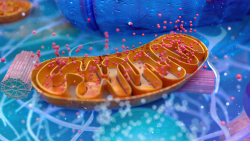
Removing the ovaries starves the mitochondria of one of its many feedback mechanisms and damages the brain mitochondria in the regions of the brain responsible for executive function and memory – the frontal cortex and the hippocampus. The mitochondria change shape, from spheres (healthy) to donuts and blobs, which represent early and late-stage mitochondrial damage, respectively. Misshapen mitochondria cannot provide the energy (ATP) needed to perform critical brain functions such as neural communication or the antioxidant tasks needed to clean up toxicants. Neurodegeneration ensues. In layman’s terms, and in the early stages, brain fog and memory loss. Researchers believe that it is this loss of functional mitochondria that contribute to the onset of neurodegenerative disorders like Alzheimer’s and other dementias. And, this loss of function is precipitated by an unnatural loss of estradiol.

Ovary Removal is Common with Hysterectomy – Now What?

For the millions of women who have had their ovaries removed with hysterectomy, this presents a problem. Amid the myriad of other side effects associated with ovary removal, and perhaps, the root cause of these effects, we can add mitochondrial damage and brain mitochondrial damage, specifically. The rapid decline of estradiol, and other hormones, places many women at risk for neurodegenerative disorders like Alzheimer’s. How could this be mitigated?

In animal research, hormone replacement with 17B – estradiol immediately after the ovaries are removed seems to temper the damage, at least in the short term. There are no long-term studies. Similarly, epidemiological studies in human women suggest hormone replacement immediately after open menopause and/or hysterectomy with oophorectomy reduces clinical symptoms associated with the diseases of aging – e.g. the cognitive decline of Alzheimer’s and other dementias. However, since the synthetic estrogens used pharmacologically are different compounds than those produced endogenously (and used in basic and animal research) and because there are no mitochondrial imaging or even mitochondrial function tests done with human females given hormone replacement, it is difficult to compare the two sets of literature.

Some data suggest that the use of synthetic estrogens damages mitochondria and further diminishes the synthesis of remaining endogenous estrogens (the adrenals continue to produce estradiol and other estrogens after the ovaries are removed). Women who have used synthetic estrogens such as those in oral contraceptives and hormone replacement therapies have lower concentrations of endogenous estradiol, estrone, androstenedione, testosterone, and sex hormone-binding globulin. Based upon the aforementioned research, the decline in endogenous hormones would suggest a commensurate derangement in mitochondrial structure and function, but there are no data either way. At the very least, caution is warranted when contemplating the use of synthetic estrogens, particularly in the current environment that is rife with estrogenic chemicals. There are no data on the use of ‘natural’ or ‘bioidentical’ hormones and human mitochondrial function. So, although the animal data are fairly clear, estradiol replacement begun early enough appears to offset the decline in endogenous estradiol, how this translates to human females is not known.

Other Hormones and Additional Pathways

A flaw common to most research in this field is the failure to address the other hormones involved in modulating health. Estradiol is but one of many estrogens produced endogenously. It is also one of many steroid hormones produced in the ovaries and regulated by mitochondrial function. How estradiol removal or add-back affects progesterone, the androgens, or even the glucocorticoids (cortisol) – is not known. Compensatory reactions are likely. Understanding how those reactions mediate mitochondrial function might determine a viable workaround for the depleted estradiol. The beauty of human physiology is a mind-blowing breadth and depth of compensatory reactions to maximize survival. So I would think, and this is purely speculative, that even if one has lost her ovaries, and even if estradiol treatment was not initiated immediately, or if synthetic estrogens were used instead, there should be other mechanisms to tap into and compensate for this loss. That is, there should be multiple pathways to help maintain mitochondrial function. What those are, I do not know, but they are worth exploring.

We Need Your Help

More people than ever are reading Hormones Matter, a testament to the need for independent voices in health and medicine. We are not funded and accept limited advertising. Unlike many health sites, we don’t force you to purchase a subscription. We believe health information should be open to all. If you read Hormones Matter, and like it, please help support it. Contribute now.

Yes, I would like to support Hormones Matter.

Image created using Canva AI.

This post was published originally in January 2015.

It’s Just ATP

8K views

A while back, I wrote an article called ‘Just a Vitamin Deficiency‘ in an effort to dispel the notion that vitamin deficiencies are inconsequential to health. Truth be told, I have written dozens of similar articles hoping to change the tide of disregard. A few weeks after publishing the vitamin article I began this one. I wanted to address the growing body of research suggesting that ATP production is somehow immaterial to health and healing. The two ideas are connected, of course, because without vitamins and minerals we cannot produce ATP and without ATP we cannot catabolize nutrients from the foods we consume into more ATP. In health, medicine, and research, we seemed to have lost sight of these connections in favor of ever more complicated, and indeed, bifurcated explanations of our ill health.

I decided not to publish this article originally. It seemed redundant. Then, lo and behold, another article hit social media once again bemoaning how energy production was unimportant relative to all of the other cool functions overseen by the mitochondria.

The analogy of mitochondria as powerhouses has expired. Mitochondria are living, dynamic, maternally inherited, energy-transforming, biosynthetic, and signaling organelles that actively transduce biological information.

To be fair, the article is exceptionally detailed and very well done and I agree with the authors overall. They clearly demonstrate the complexity of mitochondrial function. Where I have a problem though, is in the failure to recognize the primacy of ATP over all other functions. This is among my top pet peeves in the world of mitochondrial research and medicine. It is as if the simple act of making energy is not sexy enough to consider in health or disease. While I understand that the mitochondria are central regulators of just about everything and I understand that there are dozens or more cool pathways that are managed directly by the mitochondria and their various signaling proteins, what I do not understand is how we seem to miss the fact that all of these functions, and I mean all of them, require ATP. Indeed, decrements in ATP capacity often initiate, and certainly sustain, many of the negative reactions we see outlined in the annals of mitochondrial research.

In this particular article, the authors concede that defects in oxidative phosphorylation (OXPHOS) impact all of the functions they so eloquently describe.

Because most biochemical reactions taking place within mitochondria are directly or indirectly linked to OxPhos and Δψm [mitochondrial membrane potential], including substrate and ion uptake, mtDNA perturbations have widespread consequences for several metabolic pathways.

For the uninitiated, OXPHOS is the process by which the metabolized products of the foods we consume are shuttled through various enzymatic reactions within the mitochondria to ultimately produce ATP. Defects in OXPHOS not only imperil energy production but also set into motion a cascades of negative reactions. From an article published earlier this year:

OxPhos defects trigger mtDNA instability and cell-autonomous stress responses associated with the hypersecretory phenotype, recapitulating findings in plasma of patients with elevated metabokine and cell-free mitochondrial DNA (cf-mtDNA) levels. These responses are linked to the upregulation of multiple energy-dependent transcriptional programs, including the integrated stress response (ISR).

OXPHOS is clearly important to mitochondrial function, and why wouldn’t it be? The synthesis of energy, of ATP, is the foundation of life. Think about it for a moment. Energy is fundamental to survival, not incidental, but fundamental. So, if energy wanes all of the functions dependent upon said energy become disturbed. Sure, there are other mechanisms by which a particular pathway may become unfavorably altered, and sure, delineating those mechanisms is important, but each and every one of those patterns requires energy to execute. The degree to which energy metabolism is inadequate to the task will influence, if not determine, the pattern of response, irrespective of the other variables that may be at play.

Breathing, for example, requires energy and not just the mechanical act of inhalation and exhalation, but the absorption, trafficking and metabolism of oxygen (O2). Of course there are a lot of factors that can impede breathing and oxygen management that seem outside of the purview of mitochondrial influence, but in reality, they are not. Energy or ATP is required at every step, including arguably the most important step – the utilization of O2 to create more ATP.

For O2 to be used, we need ATP.

For ATP, we need functional mitochondria.

For functional mitochondria, we need macro- and micronutrients.

Food provides the substrates that allow the mitochondria to produce ATP. It provides macronutrients like protein, fats, and carbohydrates, and perhaps most importantly, food provides the micronutrients to utilize that fuel. It’s that simple, or at least it used to be, before industrial food manufacturing so thoroughly decimated the food supply leaving vast swaths of the population starved for vitamins and minerals.

The ills of modern food production notwithstanding, without sufficient micronutrients to metabolize food into fuel and ultimately into ATP, alternate processing pathways are used; pathways that consume more ATP than they produce, and pathways that burn dirtier and emit more toxins than the body has the energy/ATP to deal with. This is the root of all metabolic disorders and more often than not, most modern illness, regardless of diagnosis.

So, while detailing all of the cool things that mitochondria are responsible for is important to understand, especially if we are ever to move medicine away from the compartmentalized model that it has so fixated on, let us not forget ATP is the basis of life.

Perhaps, in our investigations mitochondrial function, we ought to examine ATP capacity, not just output but capacity, and the pathways therein used to produce this ATP and manage the metabolism of foods. Perhaps then we will finally understand how critical the right nutrients are to mitochondrial health. Perhaps we also ought to look at how to support native mitochondrial function, not by blocking aberrantly altered pathways, but by providing the mitochondria with the most basic building blocks for optimal ATP production – nutrition. If we can get the mitochondria to more efficiently produce ATP, would that not then favorably influence everything else?

From that perspective, it seems obvious that ATP, the energy cells consume to do all of the things that cells do, would be fundamental to health, and to life itself. Like all of the other things that should be obvious to modern medicine though, it is not. Sadly, it does not appear to be obvious even to those who research and treat mitochondrial illness. ATP capacity is not something we can ignore, but we do, and this, I believe, is one of the biggest failings of modern medicine and modern mitochondrial research.

We Need Your Help

More people than ever are reading Hormones Matter, a testament to the need for independent voices in health and medicine. We are not funded and accept limited advertising. Unlike many health sites, we don’t force you to purchase a subscription. We believe health information should be open to all. If you read Hormones Matter, like it, please help support it. Contribute now.

Yes, I would like to support Hormones Matter.  

Photo by Siora Photography on Unsplash.

This article was published originally on August 16, 2023.

Energy Medicine

17.5K views

I have written many posts on Hormones Matter and have tried to answer the questions arising from each post. These questions and my answers have been so repetitive that I decided to try to make it clear what “energy medicine” is all about and why it differs from conventional medicine. It is only natural that the posted questions are all built on our present ideas about health and disease. What I am about to say is that the present medical model has outgrown its use. Therefore it is obvious that I must discuss what this means. First of all, why do we need a “medical model”? In fact, what is the difference between complete health and its lack? The Oxford English dictionary gives the definition of disease as “a serious derangement of health, disordered state of an organism or organ”

The American Model of Medicine

As I have said before, the present American medical model was aimed at making a diagnosis of one of many thousand described diseases. It was devised from the Flexner report of 1910 that was initiated by Rockefeller. Rockefeller wanted to make medical education adhere to a common standard, thus creating the present “medical model”. The Flexner report used the methodology of diagnosis that was current in Germany. This stated that the patient’s report to a physician is called “history”, involving the patient’s description of symptoms and their onset. From this, the physician may or may not have an idea what is wrong. The next part is the physical exam where a hands-on search of the patient’s body is made for evidence of disease. This is extremely complex when put fully into clinical operation and also may or may not provide clues to a diagnosis. The third operation is laboratory testing and it is this constellation of abnormal tests that provide scientific evidence for the nature of the disease. Each test has been researched and aside from one that is either positive or negative, others have a normal range reported in numerical terms. Perhaps, as an example, the test for cholesterol level is the best known. Each test has to be interpreted as to how it contributes to arriving at a diagnosis. Finally, the physician has to try to decide whether medical or surgical treatment must be offered. Please note that the surgical removal of a sick organ may be the signature of medical failure, for example, removing part of the intestine in Crohn’s disease, for it represents a missed opportunity to treat earlier in the disease process.

Laboratory Tests and A Drug For Every Disease

It is the constellation of symptoms described by the patient and the abnormalities found by the physical examination that constitute a potential diagnosis to formulate what laboratory tests should be initiated. It is the constellation of laboratory tests that may or may not provide the proof. There are problems with this. For instance, there may be test items in the constellation that create confusion, such as “it might be disease A or disease B. We are not sure”. Tests that are “borderline” positive are particularly confusing. The diagnosis finally depends often on who was the first observer of these constellations. For example a person by the name of Parkinson and another person by the name of Alzheimer, each described clinically observed constellations that gave rise to Parkinson’s disease and Alzheimer’s disease. Since they were first described, the pathological effects of each disease have been researched in painstaking detail, without coming to the conclusion of the ultimate cause. Finally, the pharmaceutical industry has indulged in complex research to find the drug that will reverse the pathological findings and produce a cure. Because this concept rides right through the objective, each disease is thought to have a separate underlying cause and a separate underlying cure in the shape of a new “miracle drug”. Witness the recent revival of a drug that was initially found to be useless in the treatment of Alzheimer’s disease. This revival depends on the finding of other pathological effects discovered in the disease, suggesting new clinical trials. When you take all these facts into consideration, it is a surprisingly hit and miss structure. For example, we now have good reason to state that a low cholesterol in the blood is more dangerous than a high one. Why? Because cholesterol is made in the body and is the foundation material for building the vitally important stress hormones. Cholesterol synthesis requires energy and is a reflection on energy metabolism when it is in short supply.

The Physicians Desk Reference, available in many public libraries, contains details concerning available drugs. Each drug is named and what it is used for, but often there is a note saying that its action is poorly understood. Just as often, there may be one or two pages describing side effects. In fact, the only drugs whose action is identified with cause are the antibiotics. The rest of them treat symptoms but do not address cause. Antibiotics affect pathogenic bacteria but we all know that the bacteria are able to become resistant and this is creating a problem for the near future. It is interesting that Louis Pasteur spent his career researching pathogenic microorganisms. However, on his deathbed it is purported that he stated “I was wrong, it is the defenses of the body that count”.

It must be stated that the first paradigm in medicine was the discovery of pathogenic microorganisms and their ability to cause infections. Many years were spent in trying to find ways and means of killing these organisms without killing the patient. It was the dramatic discovery of penicillin that led to the antibiotic era. I like to think that Louis Pasteur may have suggested the next paradigm, “assist the body defenses”.

Energy Medicine: A New Paradigm for Understanding Health and Disease

When a person is seen performing on a trampoline, an observer might say “hasn’t he got a lot of energy!” without thinking that this represents energy consumption. Energy has to be captured in the body and is consumed in the physical action on the trampoline. Many people will drink a cup of coffee on the way to work believing that it “creates” energy. The chemical function of caffeine stimulates action that consumes energy, giving rise to a false impression. Every physical movement, every passing thought, however fleeting in time, requires energy consumption. The person who has to drink coffee to “get to work”, is already energy insufficient. He/she can ill afford this artificial consumption of the available energy.

I am going to suggest that the evidence shows “energy medicine” may indeed be the new paradigm, so we have to make sure that anyone reading this is conversant with the concept of energy. In physics, “energy is the quantitative property that must be transferred to an object in order to perform work on, or heat, the object. Energy is a conserved quantity, meaning that the available energy at the beginning of time is the same quantity today. The law of conservation of energy states that “energy can be converted in form but not created or destroyed”. Furthermore, Einstein showed us that matter and energy are interconvertible. That is why the word “energy” is such a mystery to many people. What kind of energy does the human body require?

We are all aware that the electroencephalogram and the electrocardiogram are tools used by physicians to detect disease in the brain and the heart. If that means that our organs function electrically, then where does that energy come from? We do not carry a battery. We are not plugged into a wall socket and the functional capacity of the human body is endlessly available throughout life. The only components that keep us alive are food and water. Everyone knows that foods need to contain a calorie-delivering and a non-caloric mixture of vitamins and essential minerals. The life sustaining actions of these non-caloric nutrients is because they govern the process of energy capture by enabling oxygen consumption (oxidation). They also govern the use of the energy to provide physical and mental function.

The calorie bearing food, consisting of protein, fat and carbohydrate is used to build body cell structure. This is called anabolic metabolism. If body structure is broken down and destroyed, weight is lost and the patient is sick. This is called catabolic metabolism. In healthy conditions, food is metabolized to form glucose, the primary fuel.

Thiamine (vitamin B1), together with the rest of the B complex, governs oxidation, the products of which go into a cellular “engine” called the citric acid cycle. This energy is used to form adenosine triphosphate (ATP) that might be referred to as a form of “energy currency”. Without thiamine and its vitamin colleagues in the diet, ATP cannot be formed. Research for the next stage of energy production has yielded insufficient information as yet concerning production of electrical energy as the final step. The evidence shows that thiamine may have an integral part in this electrification process, although much mystery remains. Suffice it to say that we are electrochemical “machines” and every physical and mental action requires energy consumption.

Maybe the Chinese Were Right

In the ancient Chinese culture, an energy form called Chi was regarded as the energy of life itself. Whether this really exists or not and whether it is in some way connected to the auras purported to surround each person’s body is still conjectural. It would not be too absurd to suggest that it might be as yet an undiscovered form of energy and that it is truly a reflection of good health. My personal conclusion is that some form of electromagnetic energy is the energy that drives our physical and mental functions and that it is transduced in the body from ATP, the storage form of chemical energy. There is no doubt that acupuncture does work and certainly encourages the conclusion that the meridians described by the ancient Chinese thinkers are an important evidence of electrical circulation. There is burgeoning evidence that energy is the core issue in driving the complex process of the body’s ability to heal itself. The idea that the physician or anyone else that purports to be a “healer” is a myth, because we have the magic of nutrients that are capable of stimulating energy production as already described. The “bedside manner” is valuable because a sense of confidence and trust results in energy conservation. Remember the proverb “worry killed the cat”.

Illness and the Lack of Energy

As essentially fragile organisms, we live in a situation of personal stress. We are surrounded by micro-organisms ready to attack us. We have built a culture that is enormously stressful in many different ways, I turn once again to the writings of Hans Selye, who advanced the idea that we are suffering from “the diseases of adaptation”. He recognized that some form of energy was absolutely essential to meet any form of physical or mental stress. One of his students was able to produce the general adaptation syndrome in an animal by making the animal thiamine deficient. Energy metabolism in Selye’s time was poorly understood. Today the role of thiamine is well known. As I have described in other posts and in our book, the lower part of the brain that controls adaptive mechanisms throughout the body is highly sensitive to thiamine deficiency. Alcohol, and sugar in all its forms, both overload the process of oxidation. Although energy metabolism depends on many nutrients, thiamine is vital to the function of mitochondria and its deficiency appears to be critical. Because the brain and heart are the dominant energy consumers it is no surprise to find that beriberi has its major effects in those two organs. Symptoms are just expressions of oxidative inefficiency of varying severity. This is the reason why 696 medical publications have reported varying degrees of success in the treatment of 240 diseases with thiamine. Its ubiquitous use as a drug depends on its overall ability to restore an adequate energy supply by stimulating mitochondrial function. It is also why I propose that energy deficiency is the true root of modern disease.

We Need Your Help

More people than ever are reading Hormones Matter, a testament to the need for independent voices in health and medicine. We are not funded and accept limited advertising. Unlike many health sites, we don’t force you to purchase a subscription. We believe health information should be open to all. If you read Hormones Matter, like it, please help support it. Contribute now.

Yes, I would like to support Hormones Matter. 

Image by Gerd Altmann from Pixabay.

This article was published originally on November 19, 2019.

Rest in peace Derrick Lonsdale, May 2024.

Gastrointestinal Disease and Thiamine

21.1K views

The gastrointestinal (GI) tract, long thought to be specific only to the process of digestion, starts at the mouth and ends at the anus. Modern research has revealed that it has a very complex relationship with the rest of the body, especially the brain, and this post is aimed at giving the reader a glimpse of this research.

The Impact of Medication on the GI Tract

Every year many new medications are approved for clinical use, several of which can cause clinically significant GI tract toxicity. An article in the medical literature describes the drug-induced injury to the fragile lining of the tract. A drug by the name of Flagyl is used for resistant bacterial infections. Its chemical name is metronidazole and occasionally it results in the complication of encephalopathy (brain disease). It has been proposed that the adverse effects of the drug may be due wholly or in part to its conversion to a thiamine analog (the drug has a similar formula to thiamine and acts as an antagonist to the action of the vitamin). It seems that this happens enough that a Metronidazole Toxicity group has been formed online and has a considerable number of people with complaints regarding the use of this drug. Because the encephalopathy is said to be uncommon, it is apparently accepted as an occasional side effect, even though many people have been crippled from its use. The number of people reporting serious symptoms in the Toxicity group tends to negate the conclusions of officialdom that this encephalopathy is “uncommon, if not rare”.

Thiamine Deficiency and Obesity

This is defined by a formula known as the body mass index. Obesity is a growing worldwide epidemic currently affecting one in 10 adults. In the United States the incidences is as high as 40%. A publication claims that the only proven long-term treatment of severe obesity is surgical modification of the gastrointestinal anatomy, termed bariatric surgery. Complications are seen in patients who fail to follow the recommended changes in lifestyle. They include nausea, vomiting, so-called dumping syndrome, acid reflux and nutritional deficiencies. The authors note that “despite caloric density, the diet of patients prior to bariatric surgery is often of poor nutrient quality“. Unfortunately it needs to be pointed out that it is exactly why they became obese in the first place. Bariatric surgery is “shutting the stable door after the horse has gone”. Although obesity has been viewed traditionally as a disease of excess nutrition, the evidence suggests that it may also be a disease of malnutrition. Thiamine deficiency (TD) was found in as many as 29% of obese patients seeking bariatric surgery. They can present with vague signs and symptoms. In many posts on this website it has been pointed out that high calorie malnutrition is a widespread scourge in America and is responsible for the high incidence of obesity. The “vague signs and symptoms” are typical of early TD (beriberi) and are often misdiagnosed as psychosomatic.

Constipation or Diarrhea

The commonest form of bypass surgery for obesity, without going into the details, is known as Roux-en-Y. I do not know the reason for this nomenclature, but for surgeons it defines the technique. A publication in the medical literature described thiamine deficiency after gastric bypass and hypothesized that this is common. Of 151 patients, 27 met the criteria for thiamine deficiency, a prevalence of 18%. Eleven of these patients reported constipation after the surgery and treatment with thiamine improved it.

A 29-year-old patient has been described who had experienced sudden blindness and a disturbance of consciousness after two months of chronic diarrhea and minimal food intake. Amongst other physical signs, hemorrhages were seen in the eye. Leaking of blood from capillaries has long been recognized as a phenomenon that might be found in thiamine deficiency. It is of particular interest that the examination of cerebrospinal fluid revealed it to be normal, but magnetic resonance imaging showed changes that were interpreted as typical of thiamine deficiency. After administration of intravenously administered thiamine, both visual acuity and the visual field rapidly improved with the simultaneous recovery of consciousness. No indication was provided to explain a two-month period of diarrhea, although it was accompanied by “minimal food intake”.

A patient with Crohn’s disease and long-standing diarrhea resulted in combined thiamine and magnesium deficiency. Despite massive doses of thiamine given intravenously the symptoms of the deficiency could not be suppressed until the magnesium deficiency was also corrected. Many posts on Hormones Matter have discussed the relationship of magnesium with thiamine. Both of them work together as cofactors for a number of vitally important enzymes that govern energy metabolism. Obviously, literally any lapse of health can occur if energy is insufficient to meet the demands of living. Therefore, it is possible to understand that fatigue and other disorders related to ulcerative colitis and Crohn’s disease are the manifestation of an intracellular mild thiamine deficiency.

It is important to note that, in spite of finding the levels of thiamine and thiamine pyrophosphate in the blood to be normal, 10 patients out of 12 showed complete regression of fatigue and 2 patients showed partial regression when thiamine was administered. Note the doses of thiamine that were given. They ranged from 600 to 1500 mg/day given by mouth. The thing to understand here is that this was not simple vitamin replacement. These authors were using thiamine as a completely non-toxic drug, revealing genuine pioneering. Other authors have noted that micronutrient deficiencies occur in Crohn’s disease. They reported two patients with Crohn’s disease who complained of sudden-onset eye and brain dysfunction and confusion while receiving prolonged total parenteral nutrition. Magnetic resonance imaging allowed definitive diagnosis of Wernicke encephalopathy, a well-known brain disease occurring as a result of thiamine deficiency.

The Gut – Brain Connection

Within the last decade, the complement of bacteria living in the human bowel, now known as the gut microbiome, has become a focus of attention. The GI tract was once regarded simply as a digestive organ, but recent research has led to finding that the microbiome may have an impact on human health and disease. Surprisingly, it has become a focus of research for those interested in the brain and behavior. Multiple routes of communication between the gut and the brain have been established. Recently the gut microbiota (the complement of bacteria) has been profiled in a variety of conditions, including autism, major depression and Parkinson’s disease. Of course, there is still debate as to whether or not the changes observed are primary in causing the disease or merely a reflection of it. Other authors have raised the question of the importance of the microbiota in the pathology associated with autism, dementia, mood disorders and schizophrenia. It is interesting that the GI microbiome has been regarded as a complex ecosystem that reportedly establishes a symbiotic mutually beneficial relation with the host. It is said to be rather stable in health, but affected by age, drugs, diet, alcohol and smoking. Smoking leads to modifications of the bacterial complement and is linked with absence of a protective effect toward ulcerative colitis, and deleterious for Crohn’s disease.

An interesting slant has been placed on this problem of relationship between the host and the bacteria which make up the microbiome. It is pointed out that thiamine is an essential cofactor for all organisms, including bacteria and the role that gut microbes play in modulating thiamine availability is poorly understood. Little is known about how thiamine impacts the stability of microbial gut communities. In order to study this, a model gut microbe (Bacteroides thetaiotaomicron) was chosen. The study showed that thiamine acquisition mechanisms used by this microorganism not only are critical for its physiology and fitness but also provide the opportunity to model how other gut microbes may respond to the shifting availability of thiamine in the gut. Importance of this means that the variation in the ability of gut microbes to transport, synthesize and compete for thiamine is expected to impact on the structure and stability of the microbiota. The authors conclude that this variation may have both direct and indirect effects on human health.

The Role of Energy Metabolism

The question of whether bacterial changes in the gut are primary or secondary makes us think of which is the “chicken” and which is the “egg”. Bacteria are complex one-celled organisms and they require energy to perform their normal function, just the same as our body cells. Therefore, thiamine is as important to bacteria as it is to us, bringing us back to considering the frontier of medical thinking that energy metabolism is the core issue of health and disease.

We Need Your Help

More people than ever are reading Hormones Matter, a testament to the need for independent voices in health and medicine. We are not funded and accept limited advertising. Unlike many health sites, we don’t force you to purchase a subscription. We believe health information should be open to all. If you read Hormones Matter, like it, please help support it. Contribute now.

Yes, I would like to support Hormones Matter.

Image by Andrew Martin from Pixabay.

This article was published originally on May 6, 2019. 

Rest in peace Derrick Lonsdale, May 2024.

Mystery Illness: You Are Not Alone

15.5K views

Hormones Matter is a health oriented website edited by Chandler Marrs, PhD. She has long recognized the need for people to report their “mystery illnesses”, simply because they are slipping through the cracks in modern medicine. My association with Dr. Marrs is a very fruitful one because we both have the same viewpoint. This viewpoint embraces the concept that the present disease model is antiquated and badly needs to be revised. In a recent post, I have defined what we mean by a “medical model”. We both have found that a common health problem, largely unrecognized for its true cause, is a polysymptomatic illness that is almost invariably labeled psychosomatic. I will try to explain.

Food, Energy, and Illness

Much of our food is broken down to glucose, the primary fuel of the brain. This has given rise to a common concept that taking virtually any form of sugar is a way to develop “quick energy”. Before the processing of sugar in the body was understood, athletes would sometimes load up on it. We now know that this defeats the purpose. Very much like a car where an excess of gasoline “chokes” the engine, an excess of sugar has a very similar effect, particularly in the brain. An additional effect of sugar is the extremely sweet taste that sends a signal from the tongue to centers in the brain that gives the person an extreme sense of pleasure. It has been shown in animal studies that sugar is more addictive than cocaine and a book was published in 1973 entitled “Sweet and Dangerous”. The author, Dr. John Yudkin, was a professor of nutritional studies in a major London hospital. He was able to show that sugar was the cause of many modern diseases. It is indeed hard for people to understand that such an appreciated delight is dangerous to our health. If we turn to nature, you will find that sugar is never found in its free state. It is always found in fruit and vegetables where fiber is a vital component in its processing. The sweet taste from eating a banana or an orange is the way that Mother Nature designed it and it is a healthy way of experiencing a sweet taste.

Glucose is burned (oxidized) in cellular “engines” (mitochondria) and it is a very complex process. The net result is energy that is stored in a chemical substance known as adenosine triphosphate (ATP). The nearest analogy would be a battery because the energy that drives all our mental and physical functions is electrical in nature.

By far and away the commonest personal story posted on Hormones Matter is a polysymptomatic illness that is the result of inefficient energy transduction and its major effect is in the brain. To put it as simply as possible, food is not being converted into energy in sufficient amount to meet the stresses of merely being alive. The most susceptible part of the brain that is affected is the part that controls our ability to adapt to living in an environment that is essentially hostile. Using a specialized nervous system and a bunch of glands that produce hormones, this part of the brain signals every organ in the body to participate. Now obviously, if no energy were produced we would die and that is indeed a major cause of death. However this common polysymptomatic illness affecting so many people is based on an inefficient energy production, not a complete lack. It can vary in its degree of severity depending on nutritional and genetic factors. The dominant effect is “psychological”, symptoms such as undue fatigue, depression, anxiety and anger. It can run the gamut of our emotional reactions. In fact, because of its emotional implications, I have suggested that the common state of violence in America is a reflection of our uncontrolled hedonism. Can a person nursing a perceived grievance become violent if the emotional controls are too easily activated?

Energy lack is quickly recognized as dangerous by the brain. It causes a sense of panic to be felt by the affected person. That is why “panic attacks” have been recognized incorrectly as a “psychological disease that requires a medicine to tranquilize the patient” whereas they really represent a fight-or-flight reflex, naturally designed to get the affected person “out of perceived danger, i.e. energy deficiency”. The affected person seeks medical help, but this effect in the brain is seen by most physicians as “psychological”, as though the patient is inventing the symptoms. The diagnosis is, “it’s all in your head”. The irony is that although the symptoms are indeed the result of a function “in the head”, they are evidence of a sick brain lacking in adequate energy and therefore have an understandable origin and meaning. Also, the symptoms are easily erased by administration of non-caloric nutrient supplements when they are initially experienced. If allowed to continue unchecked, sometimes for years, they may lead to the irreversible damage characterized as a neurodegenerative disease.

Because the dominant effect is in the part of the brain that controls the specialized nervous system, it begins to send out exaggerated “panic” signals to the organs of the body. The result is a variable assortment of physical effects— heart palpitations, breathing problems, diarrhea, often alternating with constipation, whole body pain, migraine headaches, nasal congestion, nausea with or without vomiting, chest or abdominal pain, pins and needles etc. In other words, any organ in the body may be activated or non-activated because the pattern of our adaptive mind/body machinery is adversely affected. The very important point is this: each and every action of the brain/body union requires energy, even sleep!

Perhaps the most common symptom is severe fatigue and this has given rise to a common diagnosis of Chronic Fatigue Syndrome (CFS). It is worth noting that it is often associated with Irritable Bowel Syndrome (IBS) and it seems to be medically accepted that two diseases, both of “unknown cause” can occur in a patient at the same time. That seems to be a product of illogical thinking based on the present medical model.

Share Your Story

Anyone encountering this website is encouraged to write his or her health story and share it as a blog post. These stories help raise awareness about the scope of illnesses affecting us all and add to the knowledge base. To share your health story, send us a note here.

If you have specific questions about health and illness, we recommend that you “surf” the site because there are many posts on a variety of topics with long and detailed comment threads, one or more of which may be similar to your own story and may answer your questions.

We Need Your Help

More people than ever are reading Hormones Matter, a testament to the need for independent voices in health and medicine. We are not funded and accept limited advertising. Unlike many health sites, we don’t force you to purchase a subscription. We believe health information should be open to all. If you read Hormones Matter, like it, please help support it. Contribute now.

Yes, I would like to support Hormones Matter. 

Image by Leandro De Carvalho from Pixabay .

This article was published originally on December 2, 2019. 

Rest in peace Derrick Lonsdale, May 2024.

The Exquisite Simplicity of Health and Illness: Mitochondria and Energy

20.7K views

For years I have struggled to get people to understand the relative simplicity of what causes us to get sick. Our medical model implies that each disease has a specific cause, and therefore, has a specific treatment. If you look seriously at what makes us tick, there are several obvious factors involved. Yes, we are provided with a “blueprint”, given in code called DNA, by our parents. Since the discovery of DNA, medical research has emphasized almost to exclusion of other factors, that genetics is the primary research area. The most amazing recent finding is that our cellular genes (the blueprint) can be manipulated by our diet and lifestyle.

Diet and Stress

Even though the great Hans Selye studied the effects of physical stress on animals, we have neglected it in relationship to human health. He said that humans were suffering from what he called the diseases of adaptation. What he meant by that was that any form of “stress” has to be met by an adaptation that requires a huge amount of energy. The brain causes the body to go into a defensive mode when we are attacked by a microorganism and it should not be surprising that it requires energy. Sometimes a severe form of stress is associated with fever that should be regarded as an automated defensive action. In fact, I knew of a patient in whom the cause of her persistent fever could not be determined by standard laboratory methods. It was written off as “psychosomatic”, because of personality factors.

The idea, however, seems to me to be a reduction to absurdity based on collective ignorance of the underlying mechanism. The symptoms that we develop are caused by all the actions that make up the defensive mode and we call that the disease. For example, fever is part of the defense because it renders the attacking organism less efficient. Hence, the attacking organism is a “stressor”. Perhaps prolonged mental stress can produce fever in a metabolically abnormal brain because of causative misinterpretation by the brain.

It has long been time-honored that we bring the temperature down artificially as part of the treatment for infection, thus losing an important part of the defense. It wasn’t the flu virus that caused Reye’s syndrome, a disease that caused the death of many children. It was the aspirin given by the mothers to bring their child’s temperature down.

Energy Deficiency and Mitochondria

When you read a telegram giving you bad news, when you ride a bicycle, when you run cross country or shovel snow, we take it for granted that the energy will be forthcoming, that is if we think about it at all. Energy deficiency in the heart muscle could easily explain the “drop-dead” phenomenon occasionally experienced by elderly people in the winter when shoveling snow, usually written off as a heart attack from coronary disease that could easily be part of the event. Could that death have been prevented by analyzing the state of nutrition for that individual?

Another great discovery is that we have a separate set of genes that preside over the functions of our mitochondria. These are the organelles within each of our cells that produce the energy that enables us to function. Sick mitochondria produce sick people, because energy consumed must be met by energy synthesized. We now know that mitochondria have their own genes completely separate from the “blueprint” genes. Mitochondrial genes are passed to the children by the mother. When damaged mitochondrial genes are passed on to children, it becomes a form of maternal inheritance. An obvious question is whether the damage to genes can be caused in adult life from malnutrition or whether the damaged genes passed on to the children are invariably inherited from grandma.

Energy synthesis depends upon an exquisitely complicated set of nutrients that are derived from what we eat, so nutrition becomes the third factor. It is therefore very likely that an element of each of these factors is always involved. Yes, it is true that a genetic mistake may be the primary cause, but a lot of genetic mistakes are really risk factors that begin to produce a given disease in relationship to “stress” and “nutrition”, both of which always play a part.

We now know that the induction of the first symptoms of beriberi, a well-known vitamin deficiency disease that has dogged mankind for centuries, can be fully initiated by sunlight exposure in a person with marginal deficiency. There may be mild symptoms attributed to other “more acceptable” causes or even no symptoms of vitamin deficiency prior to sunlight exposure. In the early investigation of beriberi, the appearance of symptoms in many individuals at the same time misled the investigators who concluded that it was due to a mysterious infection. We now have reason to believe that ultraviolet light imposes a “stress” in an individual whose metabolism is marginal, thus initiating the true underlying cause.

Healing Comes Naturally If We Let It

The human body, as we all recognize, is beautifully designed and healing is a natural phenomenon built into our system. The body knows exactly what to do, but like stress factors, healing requires energy. So, it seems to make absolute sense that we cannot possibly produce healing by the use of compounds that are completely foreign to our cellular system. Shouldn’t we be using methods that assist the healing process by stimulating mitochondria to produce the necessary energy? Surely, the only possible assistance must be through the use of nutrients. At present, we know that there are well over 40 separate non-caloric nutrients that we must get from our food to maintain health and this may not be a full complement.

Feeding the Body Fuel to Heal: Of Vitamins and Minerals

I give this as a forerunner to news that I came across quite recently. I am reasonably sure that it will be known by people who love American sports. Everyone knows the name of Bernie Kosar, the great quarterback of the Cleveland Browns back in the good old days. Bernie understood the highs and lows of football. He had hundreds of concussions, broken bones and torn ligaments over 8 ½ seasons. In retirement he suffered pounding headaches, sleepless nights, anxiety and increased weight. Speech slurring made people think that he was drunk. Amazingly, his family didn’t believe that he had genuine symptoms and thought that he was merely trying to gain attention. The slurred speech was thought to be due to alcohol, the weight gain from overeating. After his retirement, apparently he spent some time in Florida and he learned there of a physician who was using intravenous vitamins to treat the kind of symptoms of which he complained. He tried it and immediately began to feel better. In fact he was so impressed that when he came north to live in Ohio he looked for a physician who could continue this treatment. He was directed to a doctor Pesek, founding holistic physician and CEO of Vital Health in Cleveland, Ohio. Dr.Pesek uses holistic superfoods and megadose vitamins to treat his patients. Kosar gets two or three intravenous infusions of vitamins a month. His headaches have decreased, his sleep is improved and he has lost 60 pounds in weight. This is loss of accumulated water in the tissues, a signature of  mitochondrial disease, not loss of fat. In fact he is so impressed that he is going to bring it to the notice of the NFL concussion settlement. He wishes that he had started it earlier. He says that “he knows of guys who are older and some who are younger than me and it goes south quickly”.

Healing the Brain

Because the methodology is “out of the box”, it is likely that a common explanation would be the so-called placebo effect. But that effect has to have a mechanism and perhaps the approach with nutrients actually stimulates this effect. What we know about brain injury is that the damage upsets the normal balance of metabolism. It causes a release of oxygen radicals, a phenomenon that can be likened to the production of sparks in a fire. The damage is cumulative, eventually giving rise to the kind of symptoms experienced by Kosar and also by Mohammed Ali, who went on to suffer from Parkinson’s disease. Neglect the early symptoms, almost always mistaken for psychosomatic disease, and the damage slowly accumulates, eventually becoming irreversible and untreatable. I suggest that this is represented as one of the many neurodegenerative diseases such as Alzheimer’s or Parkinson’s. Under the present medical model, it might easily be assumed that intravenous vitamins are a specific treatment for the effects of concussion and should be reserved for that. The point is that there are many avenues to metabolic imbalance. For example, if type I diabetes was determined by a genetic effect, why do the symptoms not appear for many years?  If genes are solely responsible, diabetes should be present at birth. The answer is that other factors come into play including malnutrition and aging. In fact, in the state of genius, it might be that even the best possible diet does not provide sufficient energy, perhaps explaining the long-term illnesses of the historical figures, Mozart and Charles Darwin, both of whom suffered lifelong from symptoms that have often been regarded by historians mostly as psychosomatic.

We Need Your Help

More people than ever are reading Hormones Matter, a testament to the need for independent voices in health and medicine. We are not funded and accept limited advertising. Unlike many health sites, we don’t force you to purchase a subscription. We believe health information should be open to all. If you read Hormones Matter, like it, please help support it. Contribute now.

Yes, I would like to support Hormones Matter. 

Image by PDPics from Pixabay.

This article was published originally on July 31, 2017.

Rest in peace Derrick Lonsdale, May 2024.


Beriberi: The Great Imitator

68.4K views

Because of some unusual clinical experiences as a pediatrician, I have published a number of articles in the medical press on thiamine, also known as vitamin B1. Deficiency of this vitamin is the primary cause of the disease called beriberi. It took many years before the simple explanation for this incredibly complex disease became known. A group of scientists from Japan called the “Vitamin B research committee of Japan” wrote and published the Review of Japanese Literature on Beriberi and Thiamine, in 1965. It was translated into English subsequently to pass the information about beriberi to people in the West who were considered to be ignorant of this disease. A book published in 1965 on a medical subject that few recall may be regarded in the modern world as being out of date and of historical interest only, however, it has been said that “Those who do not learn history are doomed to repeat it”. And repeat it, we are.

Beriberi is one of the nutritional diseases that is regarded as being conquered. It is rarely considered as a cause of disease in any well-developed country, including America. In what follows, are extractions from this book that are pertinent to many of today’s chronic health issues. It appears that thiamine deficiency is making a comeback but it is rarely considered as a possibility.

The History of Beriberi and Thiamine Deficiency

Beriberi has existed in Japan from antiquity and records can be found in documents as early as 808. Between 1603 and 1867, city inhabitants began to eat white rice (polished by a mill). The act of taking the rice to a mill reflected an improved affluence since white rice looked better on the table and people were demonstrating that they could afford the mill. Now we know that thiamine and the other B vitamins are found in the cusp around the rice grain. The grain consists of starch that is metabolized as glucose and the vitamins essential to the process are in the cusp. The number of cases of beriberi in Japan reached its peak in the 1920s, after which the declining incidence was remarkable. This is when the true cause of the disease was found. Epidemics of the disease broke out in the summer months, an important point to be noted later in this article.

Early Thiamine Research

Before I go on, I want to mention an extremely important experiment that was carried out in 1936. Sir Rudolf Peters showed that there was no difference in the metabolic responses of thiamine deficient pigeon brain cells, compared with cells that were thiamine sufficient, until glucose (sugar) was added. Peters called the failure of the thiamine deficient cells to respond to the input of glucose the catatorulin effect. The reason I mention this historical experiment is because we now know that the clinical effects of thiamine deficiency can be precipitated by ingesting sugar, although these effects are insidious, usually relatively minor in character and can remain on and off for months. The symptoms, as recorded in experimental thiamine deficiency in human subjects, are often diagnosed as psychosomatic. Treated purely symptomatically and the underlying dietary cause neglected, the clinical course gives rise to much more serious symptoms that are then diagnosed as various types of chronic brain disease.

  • Thiamine Deficiency Related Mortality. The mortality in beriberi is extremely low. In Japan the total number of deaths decreased from 26,797 in 1923 to only 447 in 1959 after the discovery of its true cause.
  • Thiamine Deficiency Related Morbidity. This is another story. It describes the number of people living and suffering with the disease. In spite of the newly acquired knowledge concerning its cause, during August and September 1951, of 375 patients attending a clinic in Tokyo, 29% had at least two of the major beriberi signs. The importance of the summer months will be mentioned later.

Are the Clinical Effects Relevant Today?

The book records a thiamine deficiency experiment in four healthy male adults. Note that this was an experiment, not a natural occurrence of beriberi. The two are different in detail. Deficiency of the other B vitamins is involved in beriberi but thiamine deficiency dominates the picture. In the second week of the experiment, the subjects described general malaise, and a “heavy feeling” in the legs. In the third week of the experiment they complained of palpitations of the heart. Examination revealed either a slow or fast heart rate, a high systolic and low diastolic blood pressure, and an increase in some of the white blood cells. In the fourth week there was a decrease in appetite, nausea, vomiting and weight loss. Symptoms were rapidly abolished with restoration of thiamine. These are common symptoms that confront the modern physician. It is most probable that they would be diagnosed as a simple infection such as a virus and of course, they could be.

Subjective Symptoms of Naturally Occurring Beriberi

The early symptoms include general malaise, loss of strength in knee joints, “pins and needles” in arms and legs, palpitation of the heart, a sense of tightness in the chest and a “full” feeling in the upper abdomen. These are complaints heard by doctors today and are often referred to as psychosomatic, particularly when the laboratory tests are normal. Nausea and vomiting are invariably ascribed to other causes.

General Objective Symptoms of Beriberi

The mental state is not affected in the early stages of beriberi. The patient may look relatively well. The disease in Japan was more likely in a robust manual laborer. Some edema or swelling of the tissues is present also in the early stages but may be only slight and found only on the shin. Tenderness in the calf muscles may be elicited by gripping the calf muscle, but such a test is probably unlikely in a modern clinic.

In later stages, fluid is found in the pleural cavity, surrounding the heart in the pericardium and in the abdomen. Fluid in body cavities is usually ascribed to other “more modern” causes and beriberi is not likely to be considered. There may be low grade fever, usually giving rise to a search for an infection. We are all aware that such symptoms come from other causes, but a diet history might suggest that beriberi is a possibility in the differential diagnosis.

Beriberi and the Cardiovascular System

In the early stages of beriberi the patient will have palpitations of the heart on physical or mental exertion. In later stages, palpitations and breathlessness will occur even at rest. X-ray examination shows the heart to be enlarged and changes in the electrocardiogram are those seen with other heart diseases. Findings like this in the modern world would almost certainly be diagnosed as “viral myocardiopathy”.

Beriberi and the Nervous System

Polyneuritis and paralysis of nerves to the arms and legs occur in the early stages of beriberi and there are major changes in sensation including touch, pain and temperature perception. Loss of sensation in the index finger and thumb dominates the sensory loss and may easily be mistaken for carpal tunnel syndrome. “Pins and needles”, numbness or a burning sensation in the legs and toes may be experienced.

In the modern world, this would be studied by a test known as electromyography and probably attributed to other causes. A 39 year old woman is described in the book. She had lassitude (severe fatigue) and had difficulty in walking because of dizziness and shaking, common symptoms seen today by neurologists.

Beriberi and the Autonomic Nervous System

We have two nervous systems. One is called voluntary and is directed by the thinking brain that enables willpower. The autonomic system is controlled by the non-thinking lower part of the brain and is automatic. This part of the brain is peculiarly sensitive to thiamine deficiency, so dysautonomia (dys meaning abnormal and autonomia referring to the autonomic system) is the major presentation of beriberi in its early stages, interfering with our ability for continuous adaptation to the environment. Since it is automatic, body functions are normally carried out without our having to think about them.

There are two branches to the system: one is called sympathetic and the other one is called parasympathetic. The sympathetic branch is triggered by any form of physical or mental stress and prepares us for action to manage response to the stress. Sensing danger, this system activates the fight-or-flight reflex. The parasympathetic branch organizes the functions of the body at rest. As one branch is activated, the other is withdrawn, representing the Yin and Yang (extreme opposites) of adaptation.

Beriberi is characterized in its early stages by dysautonomia, appearing as postural orthostatic tachycardia syndrome (POTS). This well documented modern disease cannot be distinguished from beriberi except by appropriate laboratory testing for thiamine deficiency. Blood thiamine levels are usually normal in the mild to moderate deficiency state.

Examples of Dysfunction in Beriberi

The calf muscle often cramps with physical exercise. There is loss of the deep tendon reflexes in the legs. There is diminished visual acuity. Part of the eye is known as the papilla and pallor occurs in its lateral half. If this is detected by an eye doctor and the patient has neurological symptoms, a diagnosis of multiple sclerosis would certainly be entertained.

Optic neuritis is common in beriberi. Loss of sensation is greater on the front of the body, follows no specific nerve distribution and is indistinct, suggestive of “neurosis” in the modern world.

Foot and wrist drop, loss of sensation to vibration (commonly tested with a tuning fork) and stumbling on walking are all examples of symptoms that would be most likely ascribed to other causes.

Breathlessness with or without exertion would probably be ascribed to congestive heart failure of unknown cause or perhaps associated with high blood pressure, even though they might have a common cause that goes unrecognized.

The symptoms of this disease can be precipitated for the first time when some form of stress is applied to the body. This can be a simple infection such as a cold, a mild head injury, exposure to sunlight or even an inoculation, important points to consider when unexpected complications arise after a mild incident of this nature. Note the reference to sunlight and the outbreaks of beriberi in the summer months. We now know that ultraviolet light is stressful to the human body. Exposure to sunlight, even though it provides us with vitamin D as part of its beneficence, is for the fit individual. Tanning of the skin is a natural defense mechanism that exhibits the state of health.

Is Thiamine Deficiency Common in America?

My direct answer to this question is that it is indeed extremely common. There is good reason for it because sugar ingestion is so extreme and ubiquitous within the population as a whole. It is the reason that I mentioned the experiment of Rudolph Peters. Ingestion of sugar is causing widespread beriberi, masking as psychosomatic disease and dysautonomia. The symptoms and physical findings vary according to the stage of the disease. For example, a low or a high acid in the stomach can occur at different times as the effects of the disease advance. Both are associated with gastroesophageal reflux and heartburn, suggesting that the acid content is only part of the picture.
A low blood sugar can cause the symptoms of hypoglycemia, a relatively common condition. A high blood sugar can be mistaken for diabetes, both seen in varying stages of the disease.

It is extremely easy to detect thiamine deficiency by doing a test on red blood cells. Unfortunately this test is either incomplete or not performed at all by any laboratory known to me.

The lower part of the human brain that controls the autonomic nervous system is exquisitely sensitive to thiamine deficiency. It produces the same effect as a mild deprivation of oxygen. Because this is dangerous and life-threatening, the control mechanisms become much more reactive, often firing the fight-or-flight reflex that in the modern world is diagnosed as panic attacks. Oxidative stress (a deficiency or an excess of oxygen affecting cells, particularly those of the lower brain) is occurring in children and adults. It is responsible for many common conditions, including jaundice in the newborn, sudden infancy death, recurrent ear infections, tonsillitis, sinusitis, asthma, attention deficit disorder (ADD), hyperactivity, and even autism. Each of these conditions has been reported in the medical literature as related to oxidative stress. So many different diseases occurring from the same common cause is offensive to the present medical model. This model regards each of these phenomena as a separate disease entity with a specific cause for each.

Without the correct balance of glucose, oxygen and thiamine, the mitochondria (the engines of the cell) that are responsible for producing the energy of cellular function, cannot realize their potential. Because the lower brain computes our adaptation, it can be said that people with this kind of dysautonomia are maladapted to the environment. For example they cannot adjust to outside temperature, shivering and going blue when it is hot and sweating when it is cold.

So, yes, beriberi and thiamine deficiency have re-emerged. And yes, we have forgotten history and appear doomed to repeat it. When supplemental thiamine and magnesium can be so therapeutic, it is high time that the situation should be addressed more clearly by the medical profession.

We Need Your Help

More people than ever are reading Hormones Matter, a testament to the need for independent voices in health and medicine. We are not funded and accept limited advertising. Unlike many health sites, we don’t force you to purchase a subscription. We believe health information should be open to all. If you read Hormones Matter, like it, please help support it. Contribute now.

Yes, I would like to support Hormones Matter.

Image: Print ad from 1930; Public Domain.

This article was published originally on November 4, 2015.

Dr. Derrick Lonsdale passed away on May 2, 2024. He will be missed. 

A Question of Responsibility in Health and Disease

7.8K views

Self-responsibility is much needed in the quixotic culture that surrounds us today. It should begin to be acquired even in infancy as we learn to navigate life. The difficult job of parenthood, perhaps the most important one of all, has to be undertaken without previous experience or training. In former years the wisdom of grandparents was sought avidly when families tended to remain in the same locality. Geographic separation has caused them to be largely discarded.

This post states that there is no more important example of self-responsibility than in maintenance of health. When we are struck down by disease, we have been taught that it is purely an act of nature: that it has nothing to do with our own actions. It is regarded as bad luck or an inevitable effect of genetic predisposition. We have also been taught that when we get sick, whatever the cause may be, that the wonders of modern medicine will take care of it. We accept a prescription as a birthright, often without seeking why it is being prescribed or how it is expected to cure us. Is that really how we want to live?

Self-Responsibility is Critical to Health

When I emphasize dietary indiscretion as the harbinger of ill health, some readers will say, “oh yes, we’ve heard all that stuff before. It is so boring”, not even bothering to read further. So let us use an analogy that I have used before in posts on this website. You have bought a car and the owner’s manual tells you that the engine uses regular gas. However, a friend has told you that high octane gas increases acceleration and makes the car livelier. You have decided that the feel of the car with high octane gas appeals to you, even though you have also been told that it increases the wear-and-tear on the engine, possibly leading to an eventual breakdown. With that knowledge, you are faced with a choice. If your decision is to continue using a fuel for which the engine has not been designed, it might be referred to as indiscretion, or even lack of self-responsibility. When the forecast of breakdown becomes a reality you might even blame the car maker. Cursing the necessary expenditure, you might expect a skilled mechanic to repair the damage, even forgetting that it may have been your own fault. Could this be compared with dietary indiscretion? Of course, you need to have the knowledge of how and why the “wrong choices” do, in fact, result in health breakdown. If you persist in making those “wrong choices”, are you in fact exercising self-responsibility towards your own health?

Natural Sugars versus Sugary Sweets

However we arrived on the face of the earth, we could not have survived if the fuel had not been available to us. Anthropologists tell us that our ancestors were “hunter gatherers”. The food (fuel) was provided by Mother Nature in the form of nuts, seeds, roots, leaves and fruits. In particular, there was no such thing as sugar in a free state. It was locked up in the fruit and leaves. There are at least 40 or more nutrients in natural food that are mandatory to the maintenance of health and many may not even have been discovered yet. None of them are contained in the highly processed, heavily sweetened substances we call food.

Where did we go wrong? Believe it or not, sugar is the villain. We can now go on the Internet and are told repeatedly that it is more addictive than cocaine and yet 80% of the artificial foods on the shelves of a groceries store contain sugar. In fact, these “foods” would not sell unless they were sweet to the taste. People are so bored with hearing this that it is virtually ignored. Because the characteristic symptoms develop slowly and do not produce abnormal conventional laboratory studies, the connection is almost invariably lost. When symptoms do emerge, they are often mistakenly diagnosed as psychosomatic, for which the standard treatment is a prescription for one of the many tranquilizer pills. Self-indulgence as the cause is never considered by patient or physician.

Of Different Fuels

Let’s try to keep it simple by turning once again to analogy. Gasoline in a car engine has to be ignited. The explosion that occurs represents a union of gasoline with oxygen. The resultant energy has to be captured in a cylinder in order to drive a piston. This connects with a flywheel that transmits the energy to the wheels through a transmission. Our bodies have exactly the same problems but the mechanisms are widely different. Glucose, derived from simple sugars, is the primary fuel of our cells, particularly in the brain. It is “ignited” by uniting it with oxygen and this is done by means of an enzyme. In order to function properly, this enzyme requires the presence of vitamin B1 (thiamine) and magnesium. You could say that thiamine and magnesium “ignite the glucose”, releasing energy in the form of electrons. The energy from electrons synthesizes a kind of energy currency known as ATP. This works a little like a battery. Chemical energy derived from “burning” (oxidizing) glucose must be transduced to electric energy for physical or mental function. If those nutrients are not present, the sugars remain unprocessed, free to evoke the host of modern disease processes that fall under the rubric of Type 2 diabetes.

Returning to our engine analogy, many car owners will remember that they had to use a mechanism called a choke when starting the cold engine. This resulted in a temporary high concentration of gas. Perhaps it will be remembered that if and when the choke was not released or discontinued when the engine had warmed up, the engine would run distinctly badly and black smoke would emerge from the exhaust pipe. The black smoke represents inefficient combustion of the gasoline. Therefore, there should be a much lower ratio of gasoline to oxygen when the engine has warmed.

Cellular Engines Need Fuel

Each of all our cells have “engines” called mitochondria that generate energy. They work constantly, do not have to be started like a car engine and are always warm. They do not need a choke. When we take an excess of calories that do not contain the necessary vitamins and minerals, it is exactly like choking our mitochondria, creating inefficiency of energy production. This is particularly true of sugar that overwhelms the ability of vitamin B1 to “ignite” it. Inefficient combustion (oxidation) gives rise to organic acids that are the equivalent of black smoke in the car exhaust and they can be found in the urine. This inefficiency of energy production affects the part of the brain that is responsible for our ability to adjust ourselves (adapt) to the changes that occur in our environment. We develop functional changes such as “brain fog”, palpitations of the heart, unusual or excessive sweating and “goosebumps” may appear on the skin. We may have a drop in blood pressure, associated with a fainting attack. Because the standard laboratory tests are normal, it is concluded that the symptoms are psychosomatic.

I remember the case of an adolescent whose diet contained a lot of “junk foods”. He climbed a rope in the gymnasium, entailing the consumption of energy. When he came down he passed out and was removed to the nearest hospital. Without knowing that he had vitamin B1 deficiency, they gave him intravenous fluids containing glucose. He had eleven bloodstained bowel movements and died. Giving sugar to somebody who is deficient in vitamin B1 is extremely dangerous and the trouble is that ingestion of sugar leads to vitamin B1 deficiency. There is considerable evidence that dietary indiscretion of this nature, continued over years, may eventually give rise to a brain disease that is given a name. Alzheimer’s, senile dementia, Parkinson’s disease and other well-known scourges may well be the legacy in your later years.

What We Eat and Drink Matters

In light of this discussion, who is responsible for the current health crisis? While it is tempting to blame others, and certainly the food and pharmaceutical industries benefit greatly from our incessant need to indulge, the blame ultimately must reside with each of us. We have abdicated our responsibility to manage our own health. Like the car owner who ‘likes the feel’ he gets from his car with high octane gas, we like the feel we get from when we eat sweets and other junk foods. Ultimately though, without the correct fuel, engines clog and sputter. Whether those engines reside in our vehicles or in our bodies, absent the correct fuel, damage accrues. It is a relatively simple equation, but one that requires a modicum of self-awareness and responsibility. Unfortunately, I am afraid self-responsibility seems to have disappeared from modern concepts of health and disease. I suspect that until it is found and embraced again as core human value, diseases of consumption and indulgence will continue to flourish.

We Need Your Help

More people than ever are reading Hormones Matter, a testament to the need for independent voices in health and medicine. We are not funded and accept limited advertising. Unlike many health sites, we don’t force you to purchase a subscription. We believe health information should be open to all. If you read Hormones Matter, like it, please help support it. Contribute now.

Yes, I would like to support Hormones Matter. 

Image by Tumisu from Pixabay.

This article was published originally on December 7, 2016.

Dr. Derrick Lonsdale passed away on May 2, 2024. He will be missed.