women's health - Page 2

Deconstructing Modern Illness: Idiopathic or Iatrogenic?

11.3K views

A few weeks ago, I had the great pleasure of delivering a keynote address at the Midwifery Today Conference in Eugene, Oregon. As requested, here are my notes and the presentation deck. Enjoy.

Presentation Notes

Before we begin, I’d like to preface this talk with one of my favorite quotes by Maya Angelou:

“You did then what you knew how to do, and when you knew better, you did better.”

The talk I am giving is depressing. The magnitude of the health crisis we face is enormous. Indeed, from every angle we face threats of new diseases and disorders with a degree of complexity current medical practices are not equipped to deal with.

If I were a less hopeful person, I might bury my head in the sand. But I think, rather than sugar coat the difficulties we face, the only way we can find solutions for these problems to know more and do better. And so, in many ways, the quote above provides hope.

At the end of this talk, over the course of the day and course of your career, as you know more, you will do better. And that’s all anyone can ask of you – to keep learning and applying that learning and knowledge to the problems in front of you.

Today, I am speaking about how we deconstruct modern illness in a toxic world – and yes, the world is pretty toxic. What I’d like you to get out of this talk are three concepts.

Pregnancy is a time where we can break the cycles of bad health in a way not possible at other times of life. It has been my experience, that women trying to conceive and those who are pregnant and their partners are hungry for information about health. They want to learn about ways to improve their health so that they can have healthy babies. This means, as healthcare providers, we have an opportunity to affect change and improve the health of not only the adults but the children.  And so, we must take this opportunity counsel our clients to better health.

This brings me to the second lesson I hope to impart

Reproduction. I think reproduction should be viewed from a much broader and longer perspective. Some of the aspects of reproduction that we often don’t consider but should, include:

Dad’s health. So often when we talk about conception and pregnancy, all responsibility for the health of the pregnancy and child rests on the mom. This is absolutely shortsighted and as we see with the epigenetic, endocrine disrupting, mitochondrial impairing chemicals we face, dad’s health is equally important to the health of the offspring. Forgetting to include Dad in these conversations means opportunities lost.

Longer time frame both before and after pregnancy. I think we ought to consider reproduction across a much longer time frame. Ideally, both partners would begin cleaning up in the months and year before conception. Barring that, however, if we can begin working with couples earlier, maternal and fetal complications might just be reduced.

Similarly, the health of our children and their children depends upon our health. So any changes we make now, for good or for ill, impacts our children’s health and likely their children’s health. Therefore when we look at reproductive health, we must begin earlier and consider the long game – the transgenerational consequences of our actions.

Everything is connected to everything else. In Western medicine and science, we like to separate things, test theories, compounds, and toxicities individually; discuss diseases by morphological or physiological elements, neatly and concisely distinct from other diseases. And while that works in acute and emergent care, with trauma or injury, with basically everything else, this separateness doesn’t work at all. Think about it for a moment, from a logical or probability standpoint, which is more realistic, that we are a people with multiple, completely distinct disease entities, or the myriad of symptoms so many experience, have coordinate, common, connected, underlying causes that simply express in different organ systems. I think it’s the latter.

With modern illness (or maybe all illness), the kind of conditions that are chronic and where more often than not, multiple organs or systems are involved, simply tackling the health of one organ or remediating one symptom or set of symptoms in isolation, while dismissing the others, misses not only research and discovery opportunities but therapeutic opportunities as well.

So when I talk about deconstructing modern illness, a key portion involves understanding the connections between seemingly disparate disease processes.

Let the Deconstruction Begin

As I considered how to put this presentation together, I struggled with where to begin, what to leave in, what to leave out.

There is so much that needs to be understood about modern illness that we could fill a week of lectures and discussions. And we may, because I have way too many slides.

What I kept coming back to, however, is the notion that if I can teach you how to think health and disease, and medical treatments in general, if I can teach you how to question and evaluate the research, how to find the answers that you need; if I can give you a foundation and a framework for understanding the science, the economics and the politics of modern illness, then each of you can find your own answers, and perhaps, if you are so inclined, contribute back to the knowledge base, so that we all have a better understanding of these issues.

And so it is from that perspective that I have decided to approach this discussion. I want to give you a foundation and a framework from which to build your own house of knowledge. Sounds a little corny, doesn’t it, but bear with me, learning how to think critically about medical science might just save your life or the life of a loved one.

A Framework of Knowledge

I have a background and a natural inclination towards philosophy.

One of the questions that plagues my thinking is ‘how we know what we think we know’. I find that more often not, pondering from where and from whom the knowledge, the science, the politics, even the historical interpretations come from, tells us a lot about what it is we know exactly and what we really have no business claiming knowledge of.

With maternal health and in fact, the entirety of women’s health, when we deconstruct what is known and detach it from how we know it, or at least how we think we know it, it becomes very clear, very quickly, that our knowledge is severely limited.

In the title, I mention deconstruction. It means what it sounds like, a taking apart of things in order to understand the larger picture. The concept is a philosophical one, originating from a French philosopher Jacques Derrida. It was used primarily in literature to separate the text from the cultural associations in order to find a supposedly truer meaning. Ironically, his writing was all but completely indecipherable – so deconstruction of Derrida’s work was prohibitive, at least for me.

Nevertheless, the notion that we should look at a text, in this case medical diagnostics, what we consider illness versus health and the markers that reflect health versus illness, apart from their cultural context and what we assume their meaning to be, to see if they still prove valid, is a useful one. Often when deconstructed, the meaning, the validity of a particular definition of disease, is bundled with so many assumptions that its validity crumbles under its own weight. We’ll see this in many areas of women’s health.

Idiopathic or Iatrogenic?

The second part of the title reflects both the notion of deconstruction and the cultural context that influences the naming of things, but also hints a structural problem in medicine that comes from those assumptions. And if I am honest, it reflects my understanding, my biases towards modern medical care.

Idiopathic and iatrogenic are two terms routinely used in modern medicine.

Idiopathic, in particular is catchall for all of the disease for which we have no earthly notion about causation. A good percentage of the conditions affecting women are considered idiopathic.

When I was in graduate school, I read a report that suggested some absurdly high percentage of pregnancy complications were considered idiopathic – something like 60%. I have long since lost the report and have no idea if I am recalling the number correctly, but it was sufficiently high that I dug a little deeper.

How could it be that in the 21st century we did not know what was going on with pregnancy? After all, women have been having babies since the beginning of time. It turns out, no one was looking, and if they were, that knowledge did not make into mainstream medicine.

At the time, pregnancy and maternal health funding was less than 2% of the total NIH budget, of which most was allocated towards pregnancy prevention. I would venture that there is wealth of knowledge in this room that if it were to make into mainstream ‘medicine’ might redefine many conditions considered idiopathic, but I digress. Virtually no money went to basic research, understanding pregnancy complications like pre-eclampsia for example, and so, complications that many women suffer from were, and yet are, considered idiopathic.

While the connection between idiopathic and much of women’s health is easy to attribute to a lack of money, the notion of idiopathy is much more complicated than simply funding priorities. After all, cancer is considered idiopathic – and as we all know cancer is an industry, receiving billions of governmental and private research dollars.

Implications of Idiopathy

Claiming something is idiopathic absolves us of personal responsibility and accountability – it means that it does it not matter what we put into our bodies or into the into the environment – a boon for industry and for all of us who want to have our cake and eat it too, but from a medical standpoint, it absolves of an our own willful ignorance.

It means we don’t have to ask any more questions, study anything else. It implies that what we do not know is not our fault – it is random.

It allows us to say cancer is random and that our behavior matters not.

It allows us to ignore research like this, that attributes 80% of cardiovascular disease to lifestyle – to what we put into our bodies.

Or research that says glyphosate is actually dangerous.

Or research that says perhaps we shouldn’t put chemicals of unknown effects into pregnant women.

It allows us to live a bubble, and presume no matter what we put into our bodies, whatever we expose ourselves to will somehow magically dissipate and not affect our health.

It allows us to effectively write-off the differences between women and men in things like drug metabolism. And for our purposes, it allows us to narrowly limit what is considered iatrogenic – to only a few readily acknowledged illnesses. It’s a position that is more akin to magical thinking than what we consider medical science should be.

How does this affect medicine and women’s health in particular?


We Need Your Help

More people than ever are reading Hormones Matter, a testament to the need for independent voices in health and medicine. We are not funded and accept limited advertising. Unlike many health sites, we don’t force you to purchase a subscription. We believe health information should be open to all. If you read Hormones Matter, like it, please help support it. Contribute now.

Yes, I would like to support Hormones Matter. 

Image credit: Devon Buchanan from Cambridge, CC BY 2.0 <https://creativecommons.org/licenses/by/2.0>, via Wikimedia Commons

This article was first published on April 17, 2017. 

Why Don’t We Listen to Women When They Are Sick?

9.4K views

Last week, I posted yet another story on our Facebook group about how women’s health is ignored and psychologized by the medical profession. It is neither a new topic nor something particularly earth shattering. We post hundreds, if not thousands, of these stories both on our Facebook page and on Hormones Matter itself. Indeed, the entire premise of Hormones Matter is that these narratives matter, that there is truth and wisdom in the patient’s account of her or his health, something that has been lost in modern medicine over the last several decades.

The premise of last week’s article was that we rarely, if ever, believe women when they present health issues, sometimes with deadly consequences.

For decades, studies have shown that women with chronic pain conditions are more likely than men to be wrongly diagnosed with mental health conditions and prescribed psychotropic drugs. When men and women offer similar complaints of pain, women are more likely to be prescribed sedatives instead of pain relieving drugs. Further, a newly released study on women’s mortality rates after heart attack offers this insight, ‘Most physicians are male, and male physicians appear to have trouble treating female patients’.

The author of the article argues that the problem rests on the maleness of the medical profession. She is correct, but there is so much more to the story. While it is true that from the beginning of medicine women were excluded from not only the practice of medicine, but also, in building the current medical knowledge base. It is also true that entire body of knowledge cultivated by female caregivers, midwives and the like was usurped and essentially dismantled as our current model of medicine took over, medicine itself was never designed to ‘listen’ to or believe patients, male or female. From an article I wrote on the topic several years ago:

Historically, listening to patients has had a tenuous position in medicine. Some would argue that it was supplanted long ago by the physician’s all-knowing clinical gaze. The clinical gaze, a term used by French philosopher, Michel Foucault, is the ability to see correctly what is unseen, to bring to light and then describe the hidden truth of disease. It was what allowed the physician to penetrate the illusions of the non-scientific engendered by previous generations (16th – 18th century medicine) and to see the truth of the disease by correctly perceiving the signs and symptoms. The physician’s power of observation, his clinical gaze, aided by technology, gave him a vantage point inaccessible by mere mortals, and thus, incontrovertible.

The clinical gaze anchored modern medicine in a way that no other concept could. It brought with it the power to see truth, but also, to define it. No matter how potentially relevant to disease diagnosis, the patient’s truth or story could never replace the physician’s truth – the truth that was accessible only by him and through the all-knowing clinical gaze.

And so it was for most of the last century and a half, the physician was the arbiter of what was valid, of what could be seen and of what could be known about health and disease. The patient was no more than a body; living or dead, it did not matter. It was the job of the physician to perceive correctly what the body (not necessarily the patient) was showing him and then classify, communicate, and finally, treat appropriately.

What folks who attribute the problems in women’s health solely to the maleness of the specialty fail to recognize is that the foundation upon which modern medicine was built rests entirely on the physician’s ability to ‘see’ the signs of illness in a body and validate those observations correctly via the appropriate measures. If the physician does not perceive the signs of the illness at all, or correctly, or in a manner that can be measured, then necessarily, the symptoms with which the patient presents are not to be believed.

Certainly, there is gender bias. That is obvious. A system of knowledge designed by men, about men and for men, with women and their bodies viewed as aberrations to the normative male body, comes with a deeply ingrained bias. More than that though, the notion of perception as the defining characteristic of medical reality limits significantly what one can and cannot know about any given topic. Consider the age old philosophical riddle posited by George Berkeley and debated by philosophy students for generations:

If a tree falls in a forest and no one is around to hear it, does it make a sound?

At the root of this question is whether awareness predicates existence. According to Berkeley, material reality, for all intents and purposes, does not exist unless it is observed. Thus, awareness predicates existence. In that same regard, medical reality does not exist unless it too is observed by the physician. Even when observed, however, if that observation cannot be validated by some objective test, then the physician is forced to dismiss his original insight and attribute the suffering to some errant ephemera, typically of the psychological nature.

Inasmuch as women’s symptoms were never ‘seen’ in the first place, never investigated, never documented, never even considered really, then it is to be expected that they would not be believed. Women’s health problems just do not exist, in much the same way that the tree falling in the forest does not. They are immaterial, incorporeal, or as Freud suggested, ‘hysterical’. (Admittedly though, Freud listened to female patients. He simply misattributed what he learned to the machinations of the female mind never envisioning a physical culprit for their ailments.) While this in no way excuses the egregious ignorance about women’s health issues that permeates modern medicine, it does shed light on why it exists. It is a consequence of establishing a system of knowledge based solely upon the perceptive abilities of a specific group of individuals. In this case, male physicians, but one could argue, that any system predicated upon perception and perception alone would have similar limitations (see here or here).  If awareness predicates or defines existence, then no matter who is in charge, a good chunk of reality, even medical reality, is immaterial, and thus, unimaginable.

We Need Your Help

More people than ever are reading Hormones Matter, a testament to the need for independent voices in health and medicine. We are not funded and accept limited advertising. Unlike many health sites, we don’t force you to purchase a subscription. We believe health information should be open to all. If you read Hormones Matter, like it, please help support it. Contribute now.

Yes, I would like to support Hormones Matter.

Image: Wellcome Collection gallery (2018-03-29): https://wellcomecollection.org/works/h5njm9mw CC-BY-4.0

This article was published originally on January 8, 2019. 

Conquering the Uterus – Trends in Hysterectomy

12.1K views

Every 10 minutes, 12 American women lose their reproductive organs, every day of every year. Hysterectomy is second only to cesarean in common surgeries. Approximately 660 women die each year in the United States from complications related to hysterectomy. Thousands more suffer long term side effects associated with oophorectomy – removal of the ovaries. The most common reasons for hysterectomy include:  uterine fibroids or rather the menorrhagia, heavy bleeding associated with the fibroids and endometriosis, an incredibly painful condition where uterine tissue grows outside the uterus. Both conditions are hormonally modulated, plague millions of women and take years to develop.

One would think that with such extended period of disease progression, 5-10 years, researchers and clinicians would have ample opportunity to develop innovative treatment protocols, long before the surgical removal of the uterus was necessitated. One would be wrong. Despite the cost of long term care leading to, and as a result of the hysterectomy; despite the outcry from the hundreds of patient associations, some with high profile members; despite the billions of dollars spent annually on performing what should be last resort surgeries, there has been no innovation in diagnostic tools for these conditions and no new therapeutics for women’s reproductive health developed in over 50 years, unless you call the re-purposing of old meds innovation.

Instead, innovation in women’s healthcare, much like American healthcare in general only magnified exponentially, comes at the end of the disease progression – when no other choice but surgery exists. Let’s build a cool robotic tool to remove even more uteri. Sure it will cost significantly more and have a higher complication rate, but the technology is so impressive that does not matter. Forget about developing early diagnostics and less invasive, more effective therapeutics, just take it all out and look cool doing so. Who would not want to perform surgery remotely with a million dollar piece of medical technology? Women don’t need their uteri anyway – a win win for all involved.

Robotic Assisted Hysterectomy

The robotic, joystick controlled, remote surgical tool is an impressive piece of engineering. With a price tag of over a million dollars per, it provides the cutting edge stature that all top-notch hospitals strive for. An added bonus, it makes gynecology, the long derided medical profession, the cool kid on the block. But does it work?

Well, not really. Sure it removes a woman’s uterus more quickly and with less scarring; a single ½ inch belly button scare versus two or three ½ inch abdominal scars, but it costs more and doesn’t reduce complications – may even increase them a bit. Compared to the minimally invasive laparoscopic hysterectomy, the robotic assisted hysterectomy costs $2000 more per procedure. As of 2010, about a quarter of all hysterectomies were performed robotically. That’s about $300 million dollars per year more to perform a robotic hysterectomy with no added gain health.  When combined with the costs multiple hospital stays, ineffective therapeutics and possible other surgeries that often led up to the hysterectomy, it is clear why women’s healthcare is so expensive.

Perhaps we could use our health dollars a little more wisely. Maybe we should spend some of those many billions of dollars or even a fraction of the $300 million spent annually on robot surgery, on prevention, early diagnostics or more effective therapeutics.

Update

Since this article was originally published in 2013, additional reports of complication rates for robotic surgery have been published. In a study of 298 patients undergoing robotic hysterectomy published in 2015, the complication rate was 18%. In 2017, a study of complication rates of a single surgeon using the robot, was 5.5% suggesting that some surgeons are better with this tool than others. In comparison, a study looking at 4505 hysterectomies performed by the same team between 1990 and 2006 (3190 were performed by laparoscopy, 906 by the vaginal route and 409 by laparotomy) saw the complication rates below 1%, significantly lower than that of the robotic surgeries, but again demonstrating that the skill of the surgical team is paramount.

We Need Your Help

More people than ever are reading Hormones Matter, a testament to the need for independent voices in health and medicine. We are not funded and accept limited advertising. Unlike many health sites, we don’t force you to purchase a subscription. We believe health information should be open to all. If you read Hormones Matter, like it, please help support it. Contribute now.

Yes, I would like to support Hormones Matter. 

Photo by Sander Sammy on Unsplash.

This article was published originally on March 18, 2013.

Undiagnosable or Sustained Ignorance?

11.2K views

Over the last several years, I have born witness to immense human suffering; young women wracked by pain, with organs diseased, struggling to survive; some have seizures and brain infections are common; many have nerve damage, some develop cancer, and others die; sometimes by their own hands, so desperate for relief that suicide seems like a legitimate option, and other times by the cumulative effects of bad medicine.

These women are poked and prodded by physicians, hospitalized for extended periods, surgery after surgery, failed treatment after failed treatment, with no hope in sight. Their pain grows. Their symptoms worsen. Their suffering continues. In many cases, they are dropped by their physicians because their conditions are too complex to understand and too difficult to manage. They are undiagnosable, often untreatable, and their struggles are mostly invisible to the public.

They are your sisters, your mothers, your wives, your daughters, your girlfriends and colleagues. They are the 50% of the population that medical science ignores and the pharmaceutical industry preys upon. They are women. This is their story. And as a woman, a mom, a scientist and an advocate for women’s health– this is my story too. As a human being, how can it not be your story too?

Let me point you to the personal stories of the women I work with. Many were healthy once, prior to a medication or vaccine adverse reaction or ill-conceived surgery or surgical device. Some were not so healthy, suffering from one of the many undiagnosable women’s health conditions. But all of the women I work with have one thing in common – they fell victim to the promise of medical science. They believed that their doctors understood the effects of the drugs they were prescribed. They believed in the surgical treatment their doctor suggested. They believed that their doctors could find the source of their pain and treat it. They were wrong.

Meet Alisa, Alexis, Nicole, Britt, Nina, Ashley, Tracie, Susan, Danielle, Michelle, Kerri, Rosemary, Jordan, Philippa, Lisa, Angela, Kelsey, Rachel, Roxie, Rosalie, Heather, Jill, Louise, Sydney, Suki, Destini, Lisa, Emily, Debra, Patti, BJS, Joan, HollyMAK, DES Daughter, Lisbeth, Robin, WS, Sarah, Zoe, Gabriella, Erika, Janet, Yuka, Sharne, SWC, Stacey, Bette, Amber, Momoka, Yumi, Dorothy, Samantha, Kristin, Katelyn, Jean, Sarah M., ErikaCharlotte, Kerry, Sharon, Taylor, Brandi, Alisen, Jess, J.H., Alex, Sandra, Theresa, Ann, Connie, Jessica, Kristyn, Bernadette, MJ, Marit, Alyson, Detrease, Claudia, Kristen G., Annie, Rebecca, Grace, JuliaBrooke, Anna-Karin, BrittanyKristen S., CS, Asha, Anne, Leslie, Sharida, Lisa P., Daniel’s wife, AnnieJMR, June, Lisa MH, Casey, Margaret, Nicole, Stacey R., Stephanie, Karen, and all the men and women who shared their stories anonymously and the millions of others suffering in silence.

I have come to realize that their suffering is not uncommon. It is not a fluke. They are not the outliers of modern medicine; rather, they are the norm. Perhaps, the details of a particular story change somewhat, but every woman (and more and more men) has a health story; one that is marked by unending medical confusion and half-witted diagnoses based, not on a deep understanding, but on wild-assed guesses levied by pharmaceutical marketing. Indeed, if the illness does not have a medication then, in the eyes of all but the most progressive physicians, it does not exist. That may explain why the prevalence of medically unexplained symptoms ranges from 25-75% in outpatient settings, with pain being the most common.

Worse yet, when a medication elicits an adverse reaction, especially one that is chronic and complex, the patient is left to fend for themselves. It takes decades for recognition that a medication or vaccine might evoke complex reactions beyond those associated with anaphylaxis. The statistics for women’s healthcare back this up.

Did you know that it takes 5-10 years to diagnose common women’s health conditions and that once diagnosed there are often no medications or effective treatment options? You’d think that that since the development of modern medicine, someone, somewhere, would figure out how to diagnose and effectively treat some of these conditions? You’d be wrong.

Did you know that only 30% of Ob/Gyn Clinical Practice Guidelines are based on actual data – 70% are based on consensus? Sit with that one for a minute. You’d have a better chance of getting an accurate diagnosis with a dartboard.

Did you know that before the mid-1990s, women were prohibited from being in clinical trials – meaning that no medications developed before then were ever tested on women? Hundreds of medications currently on the market were developed before women were permitted into clinical trials.

Did you know that even today women represent only about 30% of early clinical trial participants? It is in the early trials that safety and efficacy data are established. Not even female rodents were used in testing drugs that would be used in the female population until 2014.

Did you know that even when women are included in clinical trials, there is no mandate to analyze the safety or efficacy data by sex – to see if a particular medication causes more adverse reactions in women, or even works in women? It took 20 years to realize Ambien dosing for women was different than for men. And by different, I mean, it should have been half. For the twenty years this drug was on the market women were over-dosing because no one bothered to consider sex as a variable in pharmacokinetic research.

Did you know that women account for disproportionately more serious and more frequent adverse reactions and that most of the major drug recalls in recent history were due to the adverse events experienced by women?

Nope, you probably didn’t know that because it’s not common knowledge. Unless, you are one of the millions of individuals suffering from an undiagnosable, untreatable, unknowable disease or adverse reaction, then it is all too real.

And though I focus of women’s health, men are not completely risk free. The British Medical Journal reports that when 3000 commonly used medications were reviewed, less than 50% had the appropriate data to suggest any efficacy whatsoever. Worse yet, because of publication bias, fraud, and the closed clinical trials system allows pharmaceutical companies hide their negative results behind the walls of intellectual property, when already approved medications are re-evaluated using the previously closed trial data, the recommendations for use changed for 93% of the medications – 93%. For cancer drugs, efficacy could be confirmed in only 11% of the studies reanalyzed. That’s just wrong. We can do better. We must do better.

As I rattle off these stats, you might be thinking to yourself, ‘but Chandler, those adverse reactions, those drug side effects are rare, they wouldn’t, they couldn’t, happen to me or my family, we’re healthy.’  Think again.

According to the Mayo Clinic, 70% of all Americans take at least one pharmaceutical chronically, 50% take two, and 20% take five or more medications, even during pregnancy where 80% of women take at least one medications and 30% take four or more, an increase of more than 60% over the last 15 years. And don’t get me started about administering vaccines to pregnant women under the auspices of protecting the fetus. There are no data suggesting that a vaccine during pregnancy is anything more than a toxic cocktail that both mom and fetus have to survive, and many do not. None of these medications or vaccinations have ever been tested for safety or efficacy during pregnancy, read the package inserts. Similarly, infants, children and adolescents represent key demographics for pharmaceutical marketing and once again, only 10-20% of pediatric medications were tested on children. We have no idea what illnesses we are initiating by our overuse of medications and vaccines. None. And therein lies the problem.

We Need Your Help

More people than ever are reading Hormones Matter, a testament to the need for independent voices in health and medicine. We are not funded and accept limited advertising. Unlike many health sites, we don’t force you to purchase a subscription. We believe health information should be open to all. If you read Hormones Matter, like it, please help support it. Contribute now.

Yes, I would like to support Hormones Matter.

This article was published originally on October 31, 2017, and as one might expect, the list of women who have suffered at the hands of sustained ignorance has grown considerably. 

Image credit: Imgflip.

Hysterectomy Experiences: Chronic Fatigue

41.8K views

A few years ago, I began writing for Hormones Matter about the gross overuse and adverse effects of hysterectomy and oophorectomy. Year after year, these posts generate tens of thousands of views and hundreds of comments. The comments inevitably follow the same pattern of unwarranted removal of organ(s) without informed consent and ensuing declining health. We are publishing a series of articles highlighting women’s comments. This is the fifth of the series and addresses the common complaint of chronic fatigue. The first article is about lack of informed consent and can be found here. The second one talks about how our “exterior” settles / collapses after the uterus is removed. The third addresses organ dysfunction and the fourth is about loss of sexuality and emotional emptiness. Although the 90% elective rate of these surgeries would imply that they are “restorative” or at least harmless, medical literature and women’s experiences prove otherwise.

Chronic Fatigue and Loss of Stamina

Many women commented on my other articles about chronic fatigue and loss of stamina and vibrancy since their hysterectomies even if they still had their ovaries. Although sleep problems were a common complaint, even absent those, women just couldn’t seem to get past the chronic fatigue and lack of stamina. These experiences match those of the majority of 1,000 hysterectomized women surveyed by the non-profit HERS Foundation. Those results are as follows:

  • Loss of energy:  78%
  • Profound fatigue: 77%
  • Loss of stamina: 69%
  • Insomnia: 61%
  • Unable to maintain previous level of activity in home: 34%

The complete list broken out by hysterectomy only, hysterectomy with one ovary removed, and hysterectomy with both ovaries removed can be found here. Below are comments from some of my articles.

Chris (age 64) says:

“My husband and I had and unbelievable sex life, I had loads of energy and strength and was able to joke about being “37”. I now feel like and old woman. I want to sleep more then move, I have little strength….”

Jacqueline:

“I have no energy at 38. I have more problems now than I did before surgery.”

NJ:

“The Testim has helped my energy levels but I have lowered the dose as my body hair increased.”

Joshua:

“…my finance had a cervical hysterectomy [sic] back in January of this year and she seems to be having issues with mood swings sex drive depression and fatigue.”

BeBe:

“My hysterectomy was necessary due to Essure permanent birth control. One migrated to my uterus and I was sick from that poison…. I’m 11 months post op…. I’m fatigued. Have migraines and have become very anti social.”

Joan:

“I was a very active women, always running around from 6am till 9pm…. I am tired all the time.”

Teresa:

“I’m 12 years post op…. I stay fatigued and have no sexual drive and depression….”

Sue:

“Hysterectomy [sic] in 2007…. Severe fatigue, bloating, pain under rib. No answers…. My life has been horrible since.”

Jill:

“…my energy levels have dropped too.”

Jen:

“I had TAH kept my ovaries (boy, that was a battle)…. I have had so many problems since…. I truly feel awful. My energy levels are just depleted. I’m dealing with idiot doctors rift now plus I am too tired to go to all these specialists…. I also have severe rib pain right and left. I have bowel problems too and the nausea and fatigue is hell.”

Irene:

“Ever since HYSTERECTOMY my whole personality has changed, gone from an outgoing lady to a hermit rarely interested in socialising and I have little energy and gone from 60kg to 70kg.”

Annele:

“Had my surgery in 2010, compared to photos of me and my energy levels, sex live, I have aged about 10 years in a 5 year period. My mother also went for her hysterectomy during 2012, she experienced similar side effects.”

Sharon:

“I can hardly get out of bed. I have no appetite, no energy, and I feel awful.”

Elaine:

“I ache constantly, I still get intense flashes and my energy level has gone from active (pre-surgery) to minimal…..I am so sleep deprived and so sore….I feel I was not thoroughly informed and this surgery was the biggest mistake! I cry and yearn for who I was a year ago.”

Julie:

“Ever since surgery I had so much pain, discomfort, fatigue, and now depression. I used to be real busy with my family going outdoors for hunts, fishing and picnics. Now days I just barely do anything and my whole life has changed. My health has just been going down.”

Lyn:

“After 3 months post surgery, I had to retire my full time profession as a licensed therapeutic massage therapist due to fatigue, lower back, sacroiliac joint, hip, leg and foot pain!… My balance has been compromised and have had (4) falls since surgery…. I use to enjoy my walks with my dog and make attempts daily, but I become winded and fatigued almost instantly….”

Sue:

“My health just continues to decline. I was the most active person before this surgery, now I do nothing most days. I’m very concerned about my bowel issue and the relentless fatigue.”

Angela:

“I saw my mother destroyed by a hysterectomy at 38. This has been going on for decades and the denial has to stop. Women don’t even have to tell me they’ve had one. I can see it – in their faces, their hair, their figures, their lack of vitality.”

Jacqualine:

“take ambien to sleep”

Marlo:

“I can’t sleep at night.”

KA:

“taking a sleep aide”

Rebecca:

“Can’t sleep, wake up with headaches every day. Having major sweats, Loosing my hair and my mind!”

I caution any woman who is told she needs a hysterectomy and/or oophorectomy or is considering one to heed these comments. With the gross overuse of these surgeries, chances are she’s being sold a false bill of goods. It’s not always a good idea to rely solely on your doctor’s advice as Someone

Who Cares cautions:

“After 40 years of enduring this “disabled” existence, it breaks my heart that no matter how many of us try to warn other women, in various ways, the number of these destructive surgeries continues to increase, not decrease.”

A complete list of my articles can be found here. The HERS Foundation is a good resource for understanding the lifelong functions of the female organs. It also has information about gynecologic conditions and treatment options. These two sites, Gyn Reform (especially the studies/citations link) and Ovaries for Life, are excellent resources about the gross overuse and harm of ovary removal or hysterectomy induced loss of ovarian function.

Share your Story

If you have a hysterectomy story, please consider sharing it on Hormones Matter.

We Need Your Help

More people than ever are reading Hormones Matter, a testament to the need for independent voices in health and medicine. We are not funded and accept limited advertising. Unlike many health sites, we don’t force you to purchase a subscription. We believe health information should be open to all. If you read Hormones Matter, like it, please help support it. Contribute now.

Yes, I would like to support Hormones Matter.

Image credit: PickPic.

This article was first published in April 2017.

Improving Male and Female Fertility With Vitamin D

14.8K views

Vitamin D is essential to a healthy life, at any stage, yet its effectiveness is often overlooked by practitioners treating parents who are trying to conceive. The overwhelming majority of infertility cases are treated with drugs or surgical procedures, and are successful less than 50 percent.

Supplementation presents a simple, safe, inexpensive, and potentially effective approach to preparing for fruitful conception. In this article, I address vitamin D’s role in reproduction, evidence supporting the positive effect of this nutrient on fertility, and how to become vitamin D healthy parents.

Vitamin D’s Role in Reproduction

The human reproductive system comprises billions of cells. Every cell in the female and male reproductive systems contains genetic codes as well as a receptor to receive vitamin D.
Vitamin D is actually a steroid hormone produced by our body. We manufacture vitamin D when we take a quality vitamin D3 supplement, expose our skin to optimal sun light, or consume lots of fatty fish or vitamin D3-fortified foods.

Cells in the female reproductive system (including the ovaries, fallopian tubes, uterus, placenta, and decidua) are replete with vitamin D receptors. The male reproductive system cells (including the testes, prostate, and urethra) also are abundant with vitamin D receptors.

When we have ample amounts of activated vitamin D, it binds with its receptor to regulate genes in our reproductive system. For example, activated vitamin D in the female reproductive system controls the genes involved in estrogen production. Vitamin D also regulates several genes during the process of embryo implantation.

Conversely, when the reproductive system lacks activated vitamin D, genes essential to conception are not expressed. Hence, the chances of achieving successful conception are diminished.

Both Mom and Dad Need Vitamin D for Fertility

For many couples, getting pregnant and carrying a pregnancy to term present daunting challenges. But few understand how vitamin D plays a role in fertility of both biological parents. Scientific research indicates that the significant prevalence of vitamin D deficiency correlates to the incidences of infertility cases in women and men:

  • Researchers in Milan, Italy conducted a study of 335 women who were candidates for in vitro fertilization (IVF). Published in the August 14, 2014 issue of The Journal of Clinical Endocrinology & Metabolism, the study demonstrated that the women with vitamin D levels of more than 30 ng/mL (75 nmol/L) enjoyed the highest chance of pregnancy. The researchers concluded vitamin D is an emerging factor influencing female fertility and IVF outcome.
  • Greek researchers recently examined 30 years of scientific literature on the role of vitamin D in human reproduction. The accumulated evidence suggests that vitamin D is significantly involved in the reproductive system of both genders. Regarding fertility, the researchers noted that vitamin D status is associated with semen quality and sperm count, motility, and morphology. Moreover, they concluded that there also is a positive effect of vitamin D supplementation on testosterone concentrations and fertility outcomes. The review was published in a 2013 issue of the International Journal of Clinical Practice.
  • An Australian fertility specialist, Anne Clark, M.D., presented findings to the 2008 Fertility Society of Australia Conference that demonstrated the role of low vitamin D in men. More than one-third of the 794 men who underwent a vitamin D blood serum test were determined to be deficient in vitamin D (as well as folate). Among the couples where the male completed supplementation treatment for nutritional deficiencies, more than one-half conceived naturally or with minimal treatment.

How To Become Vitamin D Healthy Parents

In today’s modern indoor living, the most effective source of vitamin D3 (cholecalciferol) is an oil-based soft gel or liquid supplement. Vitamin D3 supplements are available over the counter in retail and online stores. Beware of vitamin D prescriptions as most contain vitamin D2 (ergocalciferol) that is much less effective than vitamin D3.

The amount of vitamin D3 depends upon your vitamin D level, derived from a simple blood test called 25(OH)D. Assume you are vitamin D deficient (most people are) and get your blood tested by your healthcare practitioner.

Based on the results of your test, supplement daily with vitamin D3 to safely increase your blood levels. A number of vitamin D experts believe a healthy vitamin D range is at least 50 to 80 ng/mL (125 to 200 nmol/L).

Repeat the test in three to six months. Increase or maintain your daily D3 dose in response to your current level. Getting within range will take time (at least months) but rest assured that you will be gaining vitamin D wellness that should increase your chances of getting pregnant.

Vitamin D’s benefits do not end with fertility! Stay tuned for my next Hormones Matter article “Maternal Vitamin D: Pregnancy and Beyond.”

Editor’s Note: Susan Rex Ryan is an award-winning author who is dedicated to vitamin D awareness. Her extensive collection of health articles can be found on Hormones Matter as well as on her vitamin D blog at smilinsuepubs.com. Follow Sue on FB “Susan Rex Ryan” and Twitter @vitD3sue.

Hormones Matter does not provide medical advice, diagnosis or treatment.

Copyright © 2014 by Smilin Sue Publishing, LLC
All rights reserved.

We Need Your Help

Hormones Matter needs funding now. Our research funding was cut recently and because of our commitment to independent health research and journalism unbiased by commercial interests we allow minimal advertising on the site. That means all funding must come from you, our readers. Don’t let Hormones Matter die.

Yes, I’d like to support Hormones Matter.

Image by Gerd Altmann from Pixabay

Sexual Function After Hysterectomy

162.9K views

Whether a hysterectomy will affect sexual function is a common concern amongst women considering the surgery, as well it should be. Sex is a vital part of life and the loss of sexual function can be devastating. Whether and how hysterectomy affects sexual function is not very clear, however, and depends upon a number of variables, not the least of which is sexual function pre-hysterectomy, and particularly, pre-gynecologic problems. In many cases, women have a hysterectomy to rectify conditions associated with heavy bleeding and/or excessive pain like fibroids, endometriosis, adenomyosis and cysts. Reducing pain and bleeding should positively affect sexual frequency; however, effects on function may vary. Hysterectomy can diminish sexual function either directly because of the disconnection of the nerves and blood vessels that supply sexual energy or indirectly via the loss of critical hormones when or if the ovaries are removed or cease to function. And for many women, those with endometriosis, the hysterectomy itself provides only temporary relief from the disease process.

When evaluating the possibility of having a hysterectomy relative to sexual function outcomes, there are a few things women must consider.

Understanding the “Anatomy” of Sexual Function

According to Masters and Johnson, there are four phases of sexual response – Excitement, Plateau, Orgasm, and Resolution.

Sensation to any body part requires proper nerve conduction and adequate blood flow. Many nerves, blood vessels, and ligaments are severed to remove the uterus. The uterus and its ligaments themselves are rich sources of blood supply. As a result, sensation to the vagina, clitoris, labia, and nipples can be diminished by hysterectomy. This loss of sensation can hamper sexual function.

The Excitement phase is triggered by sexual stimuli, either physical or psychological. The stimuli triggers increased blood flow (vasocongestion) to the genitalia. With a blood vessel and nerve network altered by hysterectomy, this process may be hampered.

Contractions of the uterus are listed as a part of the Orgasm phase. So without a uterus, orgasm is not complete. Hence, it would make sense that orgasm is negatively impacted by hysterectomy, ovary removal or not. I have read, however, that some women do not experience uterine orgasm. So for them, a hysterectomy may not affect their orgasms.

My Personal Experience Post Hysterectomy

I realized very quickly after my hysterectomy that my libido, arousal, and ability to orgasm were broken. A steamy sex scene in a novel or movie or a hot looking guy no longer elicited sexual feelings. And the thought of sex was repulsive. That was a very sad day for me and I still mourn the loss of my intact sexuality. Some may question whether these changes are really due to the loss of my uterus or more so from the loss of my ovaries. When my hormone replacement was inadequate, the thought of sex was repulsive. However, I did have occasional orgasms but they were difficult to achieve and very infrequent as well as disappointing compared to before hysterectomy. Before my surgery, I had a good libido and an intense uterine orgasm every time I had intercourse. I have been on a good hormone regimen for over 6 years now. Sex is no longer repulsive but I do not have a libido or feel sexual in any way. Arousal takes much longer and orgasms are still weaker than before hysterectomy, do not always happen, and rarely occur during intercourse. Testosterone did not improve libido or arousal nor improve orgasm frequency or quality. Nipple sensation has been absent since surgery. These losses to my sexuality have affected my marriage relationship as well as social and professional relationships as I lack what I would call “sexual energy” and confidence.  

Other Possible Sexual Sequelae Post Hysterectomy

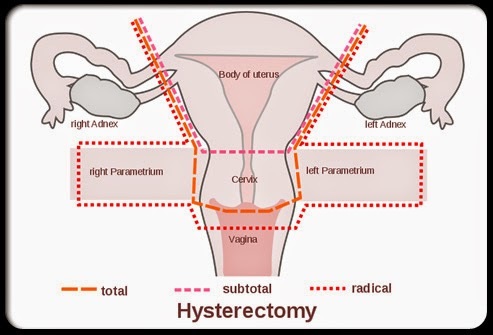
Removing the Cervix. The changes to the vagina after hysterectomy can further hamper sexual function. The removal of the cervix (the lower part of the uterus) requires that the vagina be shortened and sutured shut. This is called the vaginal cuff. The shortened vagina can present problems with deep penetration. Also, the vaginal cuff sutures can tear (dehiscence) which is a serious medical problem, although this is rare. Retaining the cervix eliminates these concerns and may preserve some of the nerves and sensation. During sex, the tip of the penis is “grabbed” by the cervix enhancing the man’s pleasure. However, even if the cervix is retained, this “grabbing” sensation may not occur without the uterine contractions.

emale sexual function after hysterectomy

Reduced Lubrication. Many women report diminished vaginal lubrication post-hysterectomy even when ovaries are not removed. Lubrication is critical for sexual activity as well as sensation. When the ovaries are removed or fail from the loss of blood flow, lubrication is lost and the vagina atrophies making sex painful. Over time, the vagina may prolapse as it no longer has the uterine ligaments to anchor it. Changes to bladder, bowel, and vagina position and function post-hysterectomy can likewise affect sexual function and satisfaction. A falling vagina and urgency and incontinence are certainly not sexy!

Body Changes. The hysterectomy induced changes to a woman’s figure which include a thick, shortened midsection and protruding belly are another source of sexual dysfunction and anxiety. Appearance changes from hormonal effects such as hair thinning, graying, and texture changes, skin dryness and aging (including loss of plumpness and pinkness in the genitalia), and loss of muscle mass and tone can also negatively impact sexuality. I have written about the anatomical and skeletal effects of hysterectomy here and here.

Emotional Changes. Many hysterectomized women with whom I have communicated report a loss of feeling connected to others including their loved ones. At first I thought the loss of my romantic and maternal feelings was solely attributed to the loss of my ovaries (despite taking estrogen). But after hearing from other women who still had functioning ovaries and reported the same feelings, I realized that maybe our uterus is what makes us loving and social beings. A renowned gynecologist on a talk show a few years after my hysterectomy referred to the uterus as “a woman’s heart center.” And for women love and sex are very much intertwined.

Hysterectomy and Sexual Function

Why is it that so many dismiss sexual problems post-hysterectomy as psychological? If a man has his prostate and/or testicles removed or penis shortened (heaven forbid!), sexual problems are attributed to the loss or surgical alteration of his SEX organ(s). So why would it be any different for women?

Although there have been some studies on sexual function after hysterectomy, I have not been able to make much sense out of them. It seems that most use a benchmark of (impaired) sexual function shortly before hysterectomy when gynecologic problems impede sexual activity and function versus prior to the gynecologic problems that are the reason for the hysterectomy. This observational study compared sexual pleasure, activity, and problems by type of hysterectomy at 6 months post-operative. It concluded that “sexual pleasure significantly improved in all patients, independent of the type of hysterectomy.” However, it also concluded that “the prevalence of one or more bothersome sexual problems six months after vaginal hysterectomy, subtotal abdominal hysterectomy, and total abdominal hysterectomy was 43% (38/89), 41% (31/76), and 39% (57/145), respectively.” With these high rates of “bothersome sexual problems” I cannot imagine how this could have been an improvement. However, if the benchmark was based on the time frame when pre-operative heavy bleeding, discomfort, or pain impaired sexual activity and function, then it would certainly be possible for sexual function to improve post-operatively. That does not mean it was an improvement over NORMAL sexual function (pre-gynecologic problems).

This Boston University School of Medicine article discusses post-hysterectomy sexual dysfunction. It says,

“Desire, arousal, orgasm and pain disorders may all be seen post-hysterectomy…..Internal orgasms are often changed significantly after hysterectomy. This is observed in part due to the inability to have rhythmic contractions of uterine muscles without the uterus present. Also, internal orgasms are changed after hysterectomy due to injury to the nerves which pass near the cervix. Surgeons should try to spare these nerves, but efforts to spare them are limited at the present. The result is that after hysterectomy, many women lose the ability to have an internal orgasm.”

Changing the Mindset: Removing a Woman’s Sex Organs Impairs Sexual Function

First and foremost, we need to stop referring to women’s sex organs as reproductive organs since they have vital, lifelong functions far beyond reproduction. In addition to the sexual functions, these include endocrine/hormonal, bladder and pelvic floor and anatomical and skeletal as detailed in my articles and the HERS Foundation’s video.

Secondly, women need to be more open about the effects hysterectomy has had on their health and quality of life, sexual and otherwise. It seems that some do not connect their problems with the surgery and many others choose not to talk about it. Before surgery, we are likely to believe that hysterectomy is fairly harmless since it is such a common surgery (second to c-section). No surgery is harmless. One that removes a woman’s sexual organs cannot help but cause problems with sexual function.

Some other factors that may be in play are that women seem to value their sex lives less than men. We tend to shortchange ourselves in other areas as well, putting others’ needs ahead of our own. Women of older generations were taught to trust and obey authority figures. So we typically trust our doctors and follow their recommendations. We are particularly vulnerable with gynecologists as we tend to have a long history with them through annual well woman checkups and pregnancies and deliveries. We are easy prey for hysterectomy marketing.

Clearly, there are far too many women being harmed by unwarranted hysterectomies and castrations. According to this 2000 study, 76% of hysterectomies do not meet ACOG criteria. Yet the rates have not declined and the use of robotics seems to be fueling even more hysterectomies with promises of quicker recoveries. Hysterectomies are big business with revenues rolling in to the tune of over $16 billion annually. With so much money at stake, we cannot count on the medical establishment to restrain themselves. It is up to us to spread the word.

Does Hysterectomy Affect Sexual Function?

Yes, it does. How can it not, given the nature of the surgical procedure? Whether the effects are generally more negative or positive is not clear. It largely depends on the reason for the hysterectomy including the severity and prolonged nature of those gynecologic problems. There is very little research and even less consideration or conversation regarding women’s pre- and post- hysterectomy sexual functioning. That is something we can change together by sharing our stories and communicating our needs.

Additional Resources

I highly recommend the non-profit HERS Foundation’s video “Female Anatomy: the Functions of the Female Organs.” It taught me most of what I know about the consequences of hysterectomy and/or ovary removal (castration). When I first discovered the video, some of it did not make sense. But as more time elapsed, the changes became clearer. My body and life have changed in ways I never could have imagined. I only wish I had found the video prior to my unwarranted hysterectomy.

We Need Your Help

More people than ever are reading Hormones Matter, a testament to the need for independent voices in health and medicine. We are not funded and accept limited advertising. Unlike many health sites, we don’t force you to purchase a subscription. We believe health information should be open to all. If you read Hormones Matter, like it, please help support it. Contribute now.

Yes, I would like to support Hormones Matter. 

Image by Jobert Aquino Aquino from Pixabay.

This article was published originally on April 10, 2014. 

Vitamin D Plays an Integral Role in Adaptive Immunity

10.5K views

Severe Adverse Reactions Include Vitamin D Deficiency and Autoimmunity

Hormones Matter researchers discovered that, inter alia, severe adverse reactions to any of the surveyed drugs trigger significant but varying autoimmune responses. Moreover, the research revealed an underlying consistency involving all reviewed drugs: vitamin D deficiency.

Vitamin D Helps Regulate the Adaptive Immune System

The adaptive immune system comprises the body’s intricate network of antibodies and special types of white blood cells (called sensitized lymphocytes ) to thwart new and previous invaders including viruses, bacteria, and drugs. When the adaptive immune system is not strong enough to endure external disruptions such as severe side effects of drugs, it can go awry by signaling antibodies and sensitized lymphocytes to attack healthy cells. This response is called autoimmunity—when the adaptive immune system’s cells do not recognize previous invaders and designate healthy cells as those invaders. In other words, the body’s immune cells attack its own healthy cells.

Scientific research over the past three decades solidifies the connection between vitamin D and autoimmunity. Vitamin D plays an integral role in the regulation of the adaptive immune system. Adequate vitamin D in our bodies can protect us from autoimmunity because adaptive immune cells contain vitamin D receptors (VDRs). These receptors are attached to the surface of the adaptive immune system’s antibodies and sensitized lymphocytes. The VDRs act as “gate keepers” by signaling what external substances, e.g., components of medications, can enter a cell. The VDRs must be replete with vitamin D to effectively regulate adaptive immunity. When the VDRs receive adequate amounts of vitamin D, they enable the adaptive immune system to function properly by attacking new and previous invaders.

When the VDRs attached to the adaptive immune system’s cells do not contain sufficient vitamin D to attack invaders, autoimmunity may kick in, causing the death of healthy immune cells. Thus, low vitamin D levels can lead to autoimmune diseases including thyroid disorders such as Hashimoto’s and demyelinating diseases including multiple sclerosis (MS).

Vitamin D and Hashimoto’s Autoimmune Thyroid Disease

The Real Women, Real Data research also uncovered another consistency among severe adverse reactions to the reviewed drugs: Hashimoto’s thyroiditis, an autoimmune disease caused by abnormal cells constantly assaulting the thyroid gland
.
Vitamin D receptors are present in the thyroid as well as the pituitary, the pea-shaped gland that controls the thyroid. Not surprisingly, low levels of serum vitamin D have been linked to Hashimoto’s thyroiditis, according to recent Turkish medical research:

Published in a 2013 issue of the journal Endocrine Practice, a study conducted at a training and research hospital in Ankara demonstrated that serum vitamin D levels of female chronic Hashimoto’s patients were significantly lower than healthy subjects. Furthermore, the researchers discovered a direct correlation between serum vitamin D levels and thyroid volume as well as an inverse correlation to the antibodies involved in the thyroid.

Researchers at Medeniyet University’s Goztepe Education and Research Hospital in Istanbul learned that 92 per cent of their 161 Hashimoto’s thyroiditis cases had serum vitamin D levels lower than 30 ng/mL (12 nmol/L), a value characterized as “insufficient.” Published in a 2011 issue of the journal Thyroid, the study reports an association between vitamin D insufficiency and Hashimoto’s thyroiditis.

Vitamin D and Demyelinating Disorders

Another disturbing outcome of the Real Woman, Real Data research is the reporting of neurological and neuromuscular symptoms, many which of are consistent with demyelinating disorders such as MS, an autoimmune disease. The development of MS occurs when a poorly functioning, adaptive immune system gradually attacks the protective covering of the nerve cells (called the myelin sheath) of the brain and spinal cord. This potentially debilitating process is called demyelination.

Scientific—primarily epidemiological—research indicates an association between vitamin D levels and the risk of developing a demyelinating disorder such as MS. VDRs exist on nerve cells and the myelin sheath. When the VDRs receive adequate amounts of vitamin D, they help protect the integrity of the myelin sheath. However, when the VDRs do not contain sufficient vitamin D, autoimmunity may occur, resulting in the death of healthy nerve cells. Numerous clinical trials are underway to assess the connection between vitamin D status and the likelihood of developing demyelinating disorders.

Low Vitamin D: The Chicken or the Egg?

The connection between low vitamin D status and the development of autoimmune disease is genuine. However, medical research has not yet determined if vitamin D deficiency plays a role in the development of autoimmune disease, if low vitamin D levels are a consequence of the disease itself, or if vitamin D deficiency acts as both a cause and effect. The authors of the aforementioned 2013 Hashimoto’s study concluded,

“Finally, our results suggested that there may be a causal relation between vitamin D deficiency and development of Hashimoto’s thyroiditis. On the other hand, there might be a possible relation between severity of vitamin D deficiency and progression of thyroid damage. However, further studies are needed especially about the effects of vitamin D supplementation on prevention and/or progression of autoimmune thyroid disease.”

Proactive Protection against Severe Adverse Reactions

We could wait years (or decades) to garner the results of further scientific studies and clinical trials to define the exact relationship between vitamin status and severe adverse reactions to vaccines and medications that culminate in autoimmune disorders. Or we could be proactive by taking daily vitamin supplements and enjoying moderate sunlight exposure to increase our vitamin D levels.

It is imperative to take enough vitamin D3 so this essential nutrient will be stored in your cells to help regulate your immune system. The greater your serum vitamin D level (easily obtained from a simple blood test called 25(OH) D, the more likely you will benefit from a stronger immune system that protects your body’s cells from attacking one another.

No one wants to endure severe adverse reactions to drugs such as Gardasil and Lupron, let alone an autoimmune disease. Attaining and maintaining adequate supplementation provides a safe, easy, and inexpensive approach to improved preventive health. By empowering yourself with adequate vitamin D, you may reap the benefits of avoiding disease and enjoying better quality of life.

Copyright © 2013 by Susan Rex Ryan. All rights reserved.

This article was published previously on Hormone Matter in September 2013.

We need your help.

Hormones Matter needs funding now. Our research funding was cut recently and because of our commitment to independent health research and journalism unbiased by commercial interests, we allow minimal advertising on the site. That means all funding must come from you, our readers. Don’t let Hormones Matter die.

Yes, I’d like to support Hormones Matter.

1 2 3 4 9