thiamine - Page 4

Coordinating the Body’s Defense

12.8K views

Human beings live in a world where they are under continuous attack. In this post, I will outline the nature of the attack and how we defend ourselves.

Homeostasis

The prefix “homeo” means “the same, steady”, and the definition of homeostasis is “the tendency towards a relatively stable equilibrium between interdependent elements, especially as maintained by physiological processes”. Although we are surrounded by bacteria and viruses that are ready to attack us, generally speaking we remain healthy. We can assume that the body’s capacity for maintaining health has adequate energy to maintain homeostasis. That must mean that we are defending ourselves continuously, but any form of imposed stress, such as an infection, demands a surge of energy to meet it. The miracle of being alive means that our defensive machinery is always operating automatically. The body consists of between 70 and 100 trillion cells, each having a responsibility in its own right. We exist because we have inherited a code from our parents called DNA. If this is in a perfect state, all that is required is food to supply energy. The defense is referred to as “an illness”.

How We Defend Ourselves From Infection

As an illustration, I am going to use the form of a typical attack referred to as a streptococcal sore throat, whose technical name is “acute febrile lymphadenopathy”.

Why does the throat become sore?

As we all know, because of inflammation. This is a defensive process because the inflammation is an attempt to block the passage of the bacteria into the body.

Why do we get swollen glands in the neck?

The swollen glands are known as lymph nodes. They become enlarged because it is an attempt to capture and destroy the bacteria as they pass from the throat into the body.

Why do we develop a raised body temperature?

As we all know, the normal body temperature is 37° C.  This is the temperature at which bacteria are at their most efficient state. By raising the body temperature, the efficiency of the bacteria is reduced.

The Brain and the Inflammatory Reflex

We now know that inflammation is under the control of the brain. It sends signals through the nervous system that is known technically as “the inflammatory reflex”. In fact, the entire defensive system is under the control of the brain, as is illustrated by a case that I have already described on this forum, but bears repeating.

Years ago, I was confronted by the case of two boys, both of whom experienced recurrent acute febrile lymphadenopathy. Of course, they had been treated by repeated antibiotic therapy, even though any form of infection had not been proved. Cutting out the technicalities involved, I was able to show that both of these boys were deficient in thiamine, leading to a reduction in brain energy. Each of these two boys had been indulged throughout life with an ad lib ingestion of sweets. It was probably responsible for the thiamine deficiency. Again, without going into the necessary technical factors, the lower part of the brain that controls the defensive machinery becomes unduly sensitive from the energy-deficiency caused by the insufficiency of thiamine. What was really happening was that the part of the brain that controls the defensive machinery had become hypersensitive. It was reacting to a variety of otherwise harmless environmental stimuli under the false Impression that an Infective microorganism was the stressor. There were other factors that supported this explanation, but they are highly technical and inappropriate for this post. The case was published in the medical literature.

It is not easy to understand that the acute febrile lymphadenopathy in each of these 2 boys was really a perfectly appropriate defensive reaction to non-existent bacterial attack, if such an attack had been the reality. If we acknowledge that bacterial invasion of the body is a form of stress, we are supporting the conclusion that “stress” requires a surge of brain energy to operate the defense. This is true for any form of stress, including trauma and mental action.

Because lack of oxidation had made the brains of these boys hypersensitive to any form of stimulus, they must have been overreacting to the perception of some form of environmental stress under the false Impression that it represented a bacterial invasion. Of course, we cannot know if this is the truth, but all the biochemical studies supported this explanation of the observed facts.

Genetics

The perfect structure of the human body is undoubtedly the ideal. It would mean that we had inherited a perfect genetic code in DNA. It is unlikely that perfection in structure is ever achieved in any of us and that we each have a share of genetic mistakes known as polymorphisms. These are not sufficient to cause disease on their own, but perhaps they introduce genetic risk. Another factor may have to play a part. For example, type 1 diabetes has a gene or genes in its background. But the disease does not emerge until later in life, often after a minor stress such as a cold or injury. If the gene(s) were the sole cause, the symptoms of diabetes could be expected to appear at birth. What I am hypothesizing is that a breakdown in health requires more than a single factor. We have indicated that Imperfect genetics is one factor and some form of stress is another.

Nutrition and Malnutrition

We have indicated that a surge of energy is inevitably required for the automatic machinery to go into defensive action. That comes from our food whose efficiency in synthesizing that energy comes from two distinct parts. The first part is called calories and the second part is known as non-caloric micronutrients. Mother Nature “knows” the exact proportion of each part of the food. We do not! Is it not obvious that our food has to  be that supplied only by MN?

Because the brain is the organ that needs the largest amount of oxygen, it quickly reacts to a mild insufficiency by producing a variety of sensations called symptoms. It is almost as though the brain is trying to warn its owner that it is lacking energy. Of course, the trouble with that is that the cause has to be interpreted in practical terms. The lower brain that controls the autonomic nervous system (ANS) is highly sensitive to oxidative deficiency, so the many symptoms experienced by the patient come from dysregulation of that system. For example, a common symptom is heart palpitations. The explanation for them often given by the physician, is that it is from “heart disease”. Dysfunction of the ANS is not considered. A series of laboratory studies found to be abnormal in heart disease are applied. Abnormal laboratory results are essential to the present concept of “real disease” and when they are found to be normal, the interpretation of the palpitations is that it is “psychosomatic”. Unfortunately, there are millions of patients who go through a series of specialists seeking an answer to their multiple symptoms. Each specialist gives an answer that is governed by current diagnostic concepts or their particular specialist status. Some of these unfortunate patients have recorded their experiences by posting on Hormones Matter and anyone seeking help may find the solution in one or more posts that address this problem.

Chronic Illness and Covid Longhaulers

Consider this. An attack by ANY microorganism is a “declaration of war”. There are only 3 outcomes: the microorganism wins (death), you win (cure), or there is stalemate (chronic disease). The brain is responsible for organizing and controlling the defense. If its inherited construction is perfect, all it requires is energy. Probably a perfect DNA never occurs and many, if not all of us, have gene defects known as polymorphisms that are insufficient to cause disease on their own. Epigenetics tells us that genes (say, polymorphisms) are influenced by nutrients. Any form of “stress” (a nasty divorce, a deadline, surgery, even an inoculation) demands a surge of energy to meet it. I suggest that “Longhaulers” after Covid-19 are suffering stalemate. Thiamine and magnesium together stimulate energy production, making the job of the brain more efficient to “win the war”. That is why thiamine deficiency has been reported in critical illness (stalemate) and after surgery. It strongly suggests that people who die from Covid-19 were experiencing high calorie malnutrition when they were assaulted by the virus. It also suggests that nutrition in America is inadequate to meet the stresses of modern life!

We Need Your Help

More people than ever are reading Hormones Matter, a testament to the need for independent voices in health and medicine. We are not funded and accept limited advertising. Unlike many health sites, we don’t force you to purchase a subscription. We believe health information should be open to all. If you read Hormones Matter, like it, please help support it. Contribute now.

Yes, I would like to support Hormones Matter. 

Image credit: fxxu via pixabay.com, cc0 license.

This article was published originally on August 9, 2021. 
Mitochondrial Metabolism Drives Genetics and Epigenetics

4.6K views

For the last forty years or more, the fate of cells was believed to be predominantly, if not solely, determined by genetic blueprints. Everything from the earliest stages of gestational development to the expression of diseases like cancer was, and largely still is, considered genetically determined. Environmental considerations, while acknowledged, are believed to play a much lesser role.

As the genome was mapped, the medical industry, especially those in the field of cancer research, held out great hope for identifying the genetic origins of disease, only to be let down repeatedly. Researchers failed to link up to 95% cancers to any genetic defect and the frequency of genetic defects associated with the vast majority of non-cancer related disease processes was found to be less than a measly one percent. To accommodate the discrepancy between expectation and data, random chance entered the conversation. Researchers argued that what could not be accounted for by genetics or the few environmental causes considered, must be the result of randomly generated mutations; stochastic events for which we have no explanation. A study published in 2015, supported that claim.

These results suggest that only a third of the variation in cancer risk among tissues is attributable to environmental factors or inherited predispositions. The majority is due to “bad luck,” that is, random mutations arising during DNA replication in normal, noncancerous stem cells.

It is important to understand what randomness means in this context. Here, when genetic variations arising from computer simulations cannot be attributed to either known genetic and/or recognized environmental associations with cancer, they are classified as random. In other words, what is unknown or unrecognized within the confines of the experiment is considered random. As one might imagine, this creates a few problems. Most notably, we don’t know what we don’t know. To say with any certainty that something is random suggests all variables are known and accounted for within the given model. This is just not so, especially with regard to the environmental contributions to illness. Here, not only are the recognized carcinogens limited, but the manner in which we consider these and other non-genetic variables relative to cancer or any disease process is flawed, and ultimately, biased. What is considered environmental in this context, for example, is poorly defined.

In cancer epidemiology, the term “environmental” is generally used to denote anything not hereditary, and the stochastic processes involved in the development and homeostasis of tissues are grouped with external environmental influences in an uninformative way.

That said, in the aforementioned study specifically, the apparent randomness was shown to be associated with the number of stem cell divisions in particular tissues. Tissues with highly replicative stems cells were more likely to generate ‘random’ genetic variants and thus cancer. Mathematically, and indeed, intuitively, this makes sense. More activity equals more chance for error. We see this all of the time in machine learning and computer simulation experiments where random errors occur based upon the number of calculations. We also see this in basic mechanics where increased activity means more wear and tear.

I would venture that in biological systems, however, where life interacts with itself and its ‘environment’ continuously, dynamically, and non-linearly, the randomness posited by the linear probabilities observed in computer simulations may not accurately represent real world response. Perhaps the association between increased stem cell activity and cancer is moderated by other variables that we have yet to fully appreciate. In this particular study and likely others as well, the increased randomness was identified in precisely the regions that interact more closely with the environment. In other words, to use computer parlance what we are calling randomness may be a design feature rather than a bug. Would it not make sense that these regions would require increased turnover compared to other tissues more removed from direct environmental interactions? Might these tissues also be exposed to significantly more toxic insults and thus demand more energetic support e.g. nutrients, to mitigate both the potentially damaging effects of these exposures and the increased turnover? I suspect that the unmet demands of metabolism are more directly responsible for these seemingly random events. That said, perhaps instead of relegating these non-heritable mutations to the trash heap of randomness, we ought to look more closely and how ‘environment’ interacts with genetics.

Enter the field of epigenetics.

Epigenetics and Disease

As genetics fell short, an adjacent field, called epigenetics, gained steam, in some circles at least. Epigenetics technically means ‘over’ genetics. In this field, researchers look at the chemical variables that influence genetic expression without altering DNA itself. Specifically, they look at the addition of histones or methyl groups to DNA molecules, chromatin remodeling (how genetic information is organized), and changes to non-coding RNA (RNA proteins that don’t alter genes but affect their expression) to DNA molecules. Someone called these proteins ‘DNA decorations’ – a good descriptor, I think.

While these ‘decorations’ do not affect the core structure/arrangements of DNA like traditional mutations do, they are not without consequence. They activate or deactivate gene expression disrupting normal regulation. This means that whatever function the code from that gene performs, the epigenetic marker will either turn it on or off, constitutively, and generally, outside of the bounds of its normally regulated activity. As one can imagine, this can be problematic, particularly when a necessary function is re-regulated in a manner that negatively impacts cell fate during development or across the lifespan, as with cancer.

Fortunately, these changes are not necessarily permanent. They are malleable and dynamic. To that end, once the stressor is removed, so too is the epigenetic marker, at least in theory and in research situations. There are indications of lasting epigenetic memories, however. Epigenetic memories act like a DNA conditioning factor of sorts to prolonged stress such that new stressors more readily activate these patterns. Importantly, these epigenetic patterns and memories are heritable, suggesting that the stressors of our parents and grandparents decorate our DNA and permanently alter how our bodies respond to stress. Consider the research on Irish and Dutch famines where developmental malnutrition is linked to epigenetic markers associated with certain disease states generationally.

Notably, unlike in the field of genetics, were the incidence of mutations accounts for only small percentage of disease, epigenetic alterations in gene activity may account for 90% of variability of human disease. In this regard, epigenetics explains, at least broadly, why, in people with the same genetic defects, only a small percentage go on to develop cancer or any other disease processes linked to that gene defect.

As one might expect, there is an enormous and varied compendium of possible triggering factors with everything from toxicant exposures to poor nutrition and aging included. It appears that any environmental stressor or repeated behavior initiates changes to the epigenome, including more positive variables like good nutrition and exercise. This makes epigenetics an important interface between genetics and the environment. It does not appear to be the only or primary interface, however. For that, we have to dig a little deeper and ask ourselves, what is capable of driving both genetic and epigenetic activity? You guessed it. That power and responsibility resides with mitochondria.

Mitochondria speak the language of the epigenome. All substrates and cofactors required for epigenetic modifications of the DNA and histones are made by or metabolized by mitochondria. – Martin Picard

Everything Comes Back to the Mitochondria and Nutrition

Research over the last few decades shows that both genetics and epigenetics are the handmaidens of mitochondrial metabolism and not the other way around. And this make sense, because mitochondria are responsible for using nutrients to synthesize ATP – energy – and other important molecules that form the backbone of survival. No energy, no life. Everything from the proper unwinding of genetic code through the aberrant growth of cancer cells is determined by metabolic capacity, or more bluntly, nutritional availability. Across species, the patterns are conserved. From the earliest stages of cell development and across the lifespan, cell fate is determined by mitochondrial metabolism.

Developmentally, a growing body of research, shows just how clearly metabolism affects cell fate. An experiment using the single celled organisms called dictyostelium, the lowly slime mold, illustrates what happens when nutrients are absent. Here, when the organism has sufficient nutrients, it grows and reproduces into other single celled organisms – as expected – but when nutrient starved, it releases mitochondrial damaging reactive oxygen species (ROS), and eventually, develops into a multi-celled clump that travels to find nutrients. Nutrient availability thus, changes the fate of the cell, profoundly. Essentially, the genetic blueprint of the organism tells it to look and behave a certain way, but when genetics interacts with the environment, environment makes the final decision. In this case, in order to survive the lack of nutrients and the abundance of ROS produced by the lack of nutrients, the organism divides into multiple cells. This patterned is reproduced, more or less, in all organisms, even mammals.

Under nutrient rich situations, ROS molecules are leaked by the mitochondria whenever ATP/ energy is made. ROS are signaling molecules. As a signaling molecule, it is both necessary and regulated. Both too much and too little are problematic and thus there are other molecules and feedback mechanisms to manage its synthesis. The anti-oxidant glutathione is one the molecules charged with managing ROS.

In nutrient rich situations, mitochondria will produce energy and a supply of other important molecules that all work together to maintain the life and functioning of the cell. Regular mitochondrial replication and controlled apoptosis cycles are also involved and ensure a ready supply of healthy mitochondria capable of producing these molecules.

In a nutrient starved environment, however, there are not enough resources to maintain replication cycles and defense mechanisms simultaneously, so the cell has to make some decisions. In the case of the slime mold, and in fact, in every eukaryotic cell in any given organism, resources are shunted to maintaining defenses, into producing anti-oxidants like glutathione. Energy that is normally produced in the mitochondria, is now produced mostly in the cell itself (glycolysis), which is far less efficient, and replication and apoptosis cycles are upended. In other words, in resource poor environments, defense systems are favored over everything else. In this case, and with cancer, unbridled cell division is the defense mechanism.

Cell Fate Decisions In More Complex Organisms

While fascinating, it is difficult to appreciate the importance metabolism in cell fate decisions when the evidence comes from slime mold, but the patterns are conserved in more complex systems as well. Consider the mouse for example, where the effects of nutrient starved mitochondria are no less compelling. When nutrient dependent components of the mitochondria are blocked during early development, the cells initiate a stress response and stem cell specialization fails. Skin, lungs, and other tissues are poorly formed and the animal dies.

Research involving the earliest stages of life, the pre-implantation period from 1-2 cells for mice (up to 4 days) and 4-8 cells in humans (~6 days) clearly demonstrates the role metabolism in determining cell fate. Embryonic stem cells require mitochondrial metabolites, which depend upon key nutrients, to develop. When absent, development is arrested, sometimes irrevocably.
Importantly, when sperm and oocyte mix and life begins, it is not genetics, per se, or even epigenetics that guide cell division, cell fate, and subsequent embryogenesis, but energetic capacity – metabolism. Backing up even further, mitochondrial capacity and the local environments of both sperm and oocyte determine whether and how the two will meet. In essence, mitochondria serve as a bridge between energy metabolism and the epigenome, providing signals that can modify DNA and histone modifications, ultimately affecting gene expression and cellular function.

And then there is thiamine

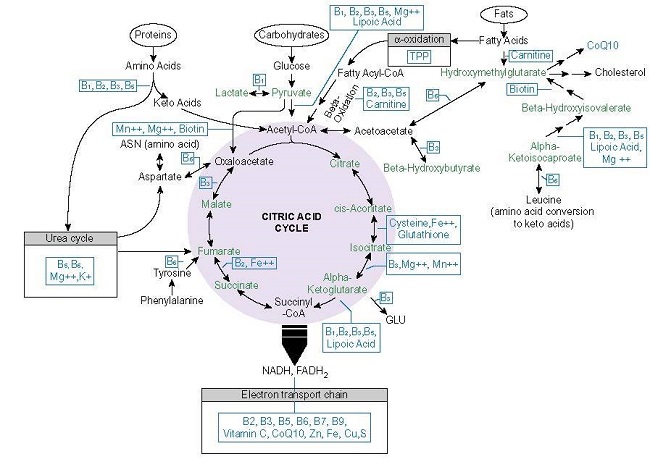
When we unpack the patterns a little bit more, we see that the metabolite pyruvate is critical to this process. Recall from our discussions on mitochondrial function and nutrition, that pyruvate drives mitochondrial energy production. It is the end product of glycolysis (cytosolic carbohydrate metabolism) that, when in the presence of sufficient oxygen and thiamine, enters the mitochondria and is converted into acetyl-CoA, which after more reactions eventually becomes ATP – energy. Pyruvate, it appears, is required to activate the zygote genome. How it does this, is fascinating.

During early development (from 2-8 cells), mitochondrial enzymes from the first half of tricarboxylic acid (TCA) cycle (pyruvate dehydrogenase – PDH, pyruvate carboxylase, citrate synthase, aconitase 2, isocitrate dehydrogenase 3A, and a-ketoglutarate dehydrogenase – see graphic below) travel from the mitochondria, across the cell and into the nucleus of that cell, presumably to synthesize requisite molecules for growth. (Some years ago, I wrote about the traveling PDH enzyme research, here but had not considered its impact on cell fate more generally).

Mitochondrial nutrients
Mitochondrial nutrients from Thiamine Deficiency Disease, Dysautonomia, and High Calorie Malnutrition.

Nutrient Status Drives Metabolism

From this sampling of the research, it is clear that metabolism, which boils down to the nutrient status and energetic capacity of the mitochondria, determines cell fate, and although genetic instructions and epigenetic molecules are important, those instructions cannot be executed without the appropriate metabolic capacity. When a cell is faced with a decision about whether to live or die, reproduce or set up defense protocols, it tests the environment before taking action. Those tests determine outcome.

The cell tests whether it has the materials in its environment. If it cannot execute the metabolism, then it won’t become that cell type, in spite of signals to differentiate.

So, even though genetics and epigenetics are telling the cell to execute a particular plan of action that plan is overridden by the mitochondria within that cell if the environment is unfavorable. When this is the case, cell fate decisions focus on defensive measures. Here, we can see how cancer and other disease processes not only represent the result poor metabolic capacity relative to environmental demands, but at their foundation are simply mitochondrially-induced defense mechanisms. Indeed, with cancer in particular, researchers found that when tumor cells are placed in an environment with unhealthy mitochondria they thrive and grow, but when healthy mitochondria are present, they don’t. Taking this a step further, defects in mitochondrial metabolism have been shown to expedite the aging and senescence of cells by accelerating telomere erosion and epigenetic damage and promote genome instability and oncogenesis. In other words, poor mitochondrial function initiates the very epigenetic and genetic defects expressed in cancer and other disease processes.

In this regard, the metabolic environment becomes the most important element in development and in health or illness. Environment, in its totality, is not an ancillary tuning fork for genetic or epigenetic programming and not something to be cursorily addressed or allocated to the dustbin of randomness. It is everything.

‘Instead of thinking about the gene expression networks just happening to interact with metabolism, it’s really metabolism driving [developmental decision-making],’ he said, ‘and gene expression networks are the tools by which that occurs’.

If this research tells us anything, it is that we are not hardwired, immutable, and largely, impenetrable machines that just happen to suffer developmental anomalies or fall ill to random genetic aberrations of the cancerous type. Rather, we are energetic beings interacting with the environment. The seat of that energetic capacity rests with the mitochondria. Mitochondria are key to everything, and so, if we tend to our mitochondria, and more broadly, to our environment, something many of us are loathe to address honestly, the chances of random acts of cancer and other chronic illnesses are reduced. It also means, the reproductive capacity and outcomes are improved.

We Need Your Help

More people than ever are reading Hormones Matter, a testament to the need for independent voices in health and medicine. We are not funded and accept limited advertising. Unlike many health sites, we don’t force you to purchase a subscription. We believe health information should be open to all. If you read Hormones Matter, like it, please help support it. Contribute now.

Yes, I would like to support Hormones Matter. 

Feature image created in Canva AI.

Thiamine Deficiency Causes Intracellular Potassium Wasting

77.5K views

Whilst I always suspected a direct link between potassium and thiamine deficiency (outside of the context of refeeding syndrome), I had not come across any direct research elucidating the mechanisms – until NOW. In short, thiamine deficiency causes intracellular potassium wasting.

Animal research in rats showed that chronic thiamine deficiency increases sodium tissue content in heart, liver and skeletal muscle by 18-35%, while also decreasing potassium content by 18-25%. Interestingly, although tissue levels were altered, plasma levels of these electrolytes remained unaffected and stayed within the normal-high range (sodium at 141.6 and potassium at 4.8). This means that blood measurements did not reflect tissue content.

The thiamine deficient group also displayed remarkably lower levels of stored liver glycogen (0.3gm/100 vs 2.7gm/100 in controls). This inability to store glycogen is one factor which helps to explain the strong tendency towards hypoglycemia seen in many people with a thiamine deficiency.

Interestingly, the researchers showed a shift towards an increased level of extracellular water and reduced intracellular water. This finding, along with the shift in intracellular electrolyte concentrations, is 100% consistent with Ling’s Association-Induction hypothesis.

In short, the bioenergetic state of the cell governs its ability to retain potassium ions and structure water into a gel-like phase. A cell with plentiful ATP can maintain this ability, independent of the “sodium potassium pump”. On the other hand, cells lacking energy lose their capacity to retain potassium, intracellular water becomes “unstructured” and intracellular concentration of sodium ions increases and the electronic state of the cell is changed. This causes water to “leak” out of the cells into the extracellular space to produce a localised edema of sorts. Thiamine, playing a central role in energy metabolism, is partially responsible for maintaining healthy redox balance and a continuous supply of ATP. Hence, it is no wonder why a deficiency of this essential nutrient produces such drastic changes in the cellular electrolyte balance.

Thiamine, TTFD, Potassium, and Heart Function

The cells of the heart are particularly susceptible to a disturbance in electrolytes. One Japanese study on coronary insufficiency in dogs showed elevated sodium and reduced potassium content in the insufficient left ventricle. Intravenous administration 50mg thiamine, in the form of thiamine tetrahydrofurfuryl disulfide (TTFD), a derivative of thiamine with higher bioavailability and solubility than other formulations, restored electrolyte balance, likely through improving tissue energy metabolism.

Likewise, the same effect was also demonstrated in isolated Guinea pig atria kept in potassium-free medium. TTFD added to cells or administered as a pre-treatment prevented the loss of potassium and increase in sodium, which was shown to occur in controls. Importantly, this effect was not achieved by thiamine HCL or another derivative studied. TTFD also entered the atrial cells much more readily than other forms, demonstrating its superior absorbability and perhaps suggesting that this form would be useful for addressing cardiac thiamine insufficiency.

Low potassium is a known driver of cardiac arrhythmias, and TTFD possesses anti-arrhythmic properties and has historically been used to treat various types of arrhythmia in Japan.

Furthermore, thiamine TTFD was also been shown to be protective against the cardiac toxin Strophanthin-G, preventing the loss of potassium once again to preserve cardiac function. Likewise, atrial cell damage through exposure to the mitochondrial toxin N-ethylmaleimide was also prevented by high concentrations of TTFD in-vitro. This protective action was attributed to the prosthetic group specific to TTFD, and NOT the thiamine molecule itself.

So it would seem that thiamine, probably through its effects on energy metabolism inside cells, and perhaps due to an unknown “kosmotropic” property of TTFD, is extremely important for regulating cell ion concentrations. In thiamine deficiency, an underlying intracellular potassium deficiency may be going unnoticed due to unremarkable blood levels. In cases where potassium deficiency is suggested, thiamine deficiency may be indicated, and TTFD might used to more safely correct the electrolyte balance.

We Need Your Help

More people than ever are reading Hormones Matter, a testament to the need for independent voices in health and medicine. We are not funded and accept limited advertising. Unlike many health sites, we don’t force you to purchase a subscription. We believe health information should be open to all. If you read Hormones Matter, like it, please help support it. Contribute now.

Yes, I would like to support Hormones Matter.

Image credit: Image by Allexxandar on Freepik.

This article was published originally on May 13, 2020. 

Energy Medicine

17.5K views

I have written many posts on Hormones Matter and have tried to answer the questions arising from each post. These questions and my answers have been so repetitive that I decided to try to make it clear what “energy medicine” is all about and why it differs from conventional medicine. It is only natural that the posted questions are all built on our present ideas about health and disease. What I am about to say is that the present medical model has outgrown its use. Therefore it is obvious that I must discuss what this means. First of all, why do we need a “medical model”? In fact, what is the difference between complete health and its lack? The Oxford English dictionary gives the definition of disease as “a serious derangement of health, disordered state of an organism or organ”

The American Model of Medicine

As I have said before, the present American medical model was aimed at making a diagnosis of one of many thousand described diseases. It was devised from the Flexner report of 1910 that was initiated by Rockefeller. Rockefeller wanted to make medical education adhere to a common standard, thus creating the present “medical model”. The Flexner report used the methodology of diagnosis that was current in Germany. This stated that the patient’s report to a physician is called “history”, involving the patient’s description of symptoms and their onset. From this, the physician may or may not have an idea what is wrong. The next part is the physical exam where a hands-on search of the patient’s body is made for evidence of disease. This is extremely complex when put fully into clinical operation and also may or may not provide clues to a diagnosis. The third operation is laboratory testing and it is this constellation of abnormal tests that provide scientific evidence for the nature of the disease. Each test has been researched and aside from one that is either positive or negative, others have a normal range reported in numerical terms. Perhaps, as an example, the test for cholesterol level is the best known. Each test has to be interpreted as to how it contributes to arriving at a diagnosis. Finally, the physician has to try to decide whether medical or surgical treatment must be offered. Please note that the surgical removal of a sick organ may be the signature of medical failure, for example, removing part of the intestine in Crohn’s disease, for it represents a missed opportunity to treat earlier in the disease process.

Laboratory Tests and A Drug For Every Disease

It is the constellation of symptoms described by the patient and the abnormalities found by the physical examination that constitute a potential diagnosis to formulate what laboratory tests should be initiated. It is the constellation of laboratory tests that may or may not provide the proof. There are problems with this. For instance, there may be test items in the constellation that create confusion, such as “it might be disease A or disease B. We are not sure”. Tests that are “borderline” positive are particularly confusing. The diagnosis finally depends often on who was the first observer of these constellations. For example a person by the name of Parkinson and another person by the name of Alzheimer, each described clinically observed constellations that gave rise to Parkinson’s disease and Alzheimer’s disease. Since they were first described, the pathological effects of each disease have been researched in painstaking detail, without coming to the conclusion of the ultimate cause. Finally, the pharmaceutical industry has indulged in complex research to find the drug that will reverse the pathological findings and produce a cure. Because this concept rides right through the objective, each disease is thought to have a separate underlying cause and a separate underlying cure in the shape of a new “miracle drug”. Witness the recent revival of a drug that was initially found to be useless in the treatment of Alzheimer’s disease. This revival depends on the finding of other pathological effects discovered in the disease, suggesting new clinical trials. When you take all these facts into consideration, it is a surprisingly hit and miss structure. For example, we now have good reason to state that a low cholesterol in the blood is more dangerous than a high one. Why? Because cholesterol is made in the body and is the foundation material for building the vitally important stress hormones. Cholesterol synthesis requires energy and is a reflection on energy metabolism when it is in short supply.

The Physicians Desk Reference, available in many public libraries, contains details concerning available drugs. Each drug is named and what it is used for, but often there is a note saying that its action is poorly understood. Just as often, there may be one or two pages describing side effects. In fact, the only drugs whose action is identified with cause are the antibiotics. The rest of them treat symptoms but do not address cause. Antibiotics affect pathogenic bacteria but we all know that the bacteria are able to become resistant and this is creating a problem for the near future. It is interesting that Louis Pasteur spent his career researching pathogenic microorganisms. However, on his deathbed it is purported that he stated “I was wrong, it is the defenses of the body that count”.

It must be stated that the first paradigm in medicine was the discovery of pathogenic microorganisms and their ability to cause infections. Many years were spent in trying to find ways and means of killing these organisms without killing the patient. It was the dramatic discovery of penicillin that led to the antibiotic era. I like to think that Louis Pasteur may have suggested the next paradigm, “assist the body defenses”.

Energy Medicine: A New Paradigm for Understanding Health and Disease

When a person is seen performing on a trampoline, an observer might say “hasn’t he got a lot of energy!” without thinking that this represents energy consumption. Energy has to be captured in the body and is consumed in the physical action on the trampoline. Many people will drink a cup of coffee on the way to work believing that it “creates” energy. The chemical function of caffeine stimulates action that consumes energy, giving rise to a false impression. Every physical movement, every passing thought, however fleeting in time, requires energy consumption. The person who has to drink coffee to “get to work”, is already energy insufficient. He/she can ill afford this artificial consumption of the available energy.

I am going to suggest that the evidence shows “energy medicine” may indeed be the new paradigm, so we have to make sure that anyone reading this is conversant with the concept of energy. In physics, “energy is the quantitative property that must be transferred to an object in order to perform work on, or heat, the object. Energy is a conserved quantity, meaning that the available energy at the beginning of time is the same quantity today. The law of conservation of energy states that “energy can be converted in form but not created or destroyed”. Furthermore, Einstein showed us that matter and energy are interconvertible. That is why the word “energy” is such a mystery to many people. What kind of energy does the human body require?

We are all aware that the electroencephalogram and the electrocardiogram are tools used by physicians to detect disease in the brain and the heart. If that means that our organs function electrically, then where does that energy come from? We do not carry a battery. We are not plugged into a wall socket and the functional capacity of the human body is endlessly available throughout life. The only components that keep us alive are food and water. Everyone knows that foods need to contain a calorie-delivering and a non-caloric mixture of vitamins and essential minerals. The life sustaining actions of these non-caloric nutrients is because they govern the process of energy capture by enabling oxygen consumption (oxidation). They also govern the use of the energy to provide physical and mental function.

The calorie bearing food, consisting of protein, fat and carbohydrate is used to build body cell structure. This is called anabolic metabolism. If body structure is broken down and destroyed, weight is lost and the patient is sick. This is called catabolic metabolism. In healthy conditions, food is metabolized to form glucose, the primary fuel.

Thiamine (vitamin B1), together with the rest of the B complex, governs oxidation, the products of which go into a cellular “engine” called the citric acid cycle. This energy is used to form adenosine triphosphate (ATP) that might be referred to as a form of “energy currency”. Without thiamine and its vitamin colleagues in the diet, ATP cannot be formed. Research for the next stage of energy production has yielded insufficient information as yet concerning production of electrical energy as the final step. The evidence shows that thiamine may have an integral part in this electrification process, although much mystery remains. Suffice it to say that we are electrochemical “machines” and every physical and mental action requires energy consumption.

Maybe the Chinese Were Right

In the ancient Chinese culture, an energy form called Chi was regarded as the energy of life itself. Whether this really exists or not and whether it is in some way connected to the auras purported to surround each person’s body is still conjectural. It would not be too absurd to suggest that it might be as yet an undiscovered form of energy and that it is truly a reflection of good health. My personal conclusion is that some form of electromagnetic energy is the energy that drives our physical and mental functions and that it is transduced in the body from ATP, the storage form of chemical energy. There is no doubt that acupuncture does work and certainly encourages the conclusion that the meridians described by the ancient Chinese thinkers are an important evidence of electrical circulation. There is burgeoning evidence that energy is the core issue in driving the complex process of the body’s ability to heal itself. The idea that the physician or anyone else that purports to be a “healer” is a myth, because we have the magic of nutrients that are capable of stimulating energy production as already described. The “bedside manner” is valuable because a sense of confidence and trust results in energy conservation. Remember the proverb “worry killed the cat”.

Illness and the Lack of Energy

As essentially fragile organisms, we live in a situation of personal stress. We are surrounded by micro-organisms ready to attack us. We have built a culture that is enormously stressful in many different ways, I turn once again to the writings of Hans Selye, who advanced the idea that we are suffering from “the diseases of adaptation”. He recognized that some form of energy was absolutely essential to meet any form of physical or mental stress. One of his students was able to produce the general adaptation syndrome in an animal by making the animal thiamine deficient. Energy metabolism in Selye’s time was poorly understood. Today the role of thiamine is well known. As I have described in other posts and in our book, the lower part of the brain that controls adaptive mechanisms throughout the body is highly sensitive to thiamine deficiency. Alcohol, and sugar in all its forms, both overload the process of oxidation. Although energy metabolism depends on many nutrients, thiamine is vital to the function of mitochondria and its deficiency appears to be critical. Because the brain and heart are the dominant energy consumers it is no surprise to find that beriberi has its major effects in those two organs. Symptoms are just expressions of oxidative inefficiency of varying severity. This is the reason why 696 medical publications have reported varying degrees of success in the treatment of 240 diseases with thiamine. Its ubiquitous use as a drug depends on its overall ability to restore an adequate energy supply by stimulating mitochondrial function. It is also why I propose that energy deficiency is the true root of modern disease.

We Need Your Help

More people than ever are reading Hormones Matter, a testament to the need for independent voices in health and medicine. We are not funded and accept limited advertising. Unlike many health sites, we don’t force you to purchase a subscription. We believe health information should be open to all. If you read Hormones Matter, like it, please help support it. Contribute now.

Yes, I would like to support Hormones Matter. 

Image by Gerd Altmann from Pixabay.

This article was published originally on November 19, 2019.

Rest in peace Derrick Lonsdale, May 2024.

The Perils of Diagnostic Overshadowing

8.1K views

Diagnostic overshadowing is a phrase used to describe a cognitive bias employed by many practitioners. It assumes that all of a patient’s symptoms can be ascribed to a particular pre-existing or chronic condition. This is common in pediatrics, where health issues in children with complex needs, such as Down syndrome, are misattributed to the Down syndrome and not investigated or addressed independently. This leads to delayed diagnoses and treatment, and in many cases, poorer outcomes. It is also common when the root of the ill-health emerges from vitamin deficiencies. By way of example and with the parent’s permission, below is the case of a two-year old boy who developed both wet and dry beriberi due to thiamine deficiency. His condition was worsened by medical treatments and missed because of diagnostic overshadowing.

When Real Treatable Conditions Are Missed

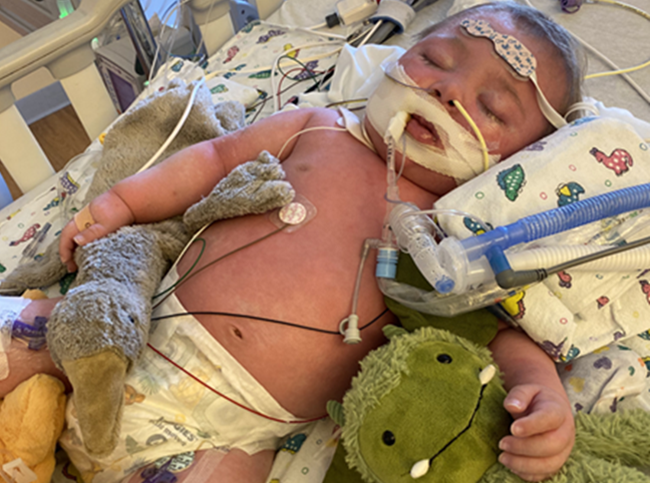
Lev is a bright-eyed, curious two-year-old with Down syndrome. His eyes light up when he hears familiar voices, and he delights in interacting with his parents and siblings. Behind his bright smile, however, lies a complicated medical journey. Like many children with complex medical needs, his early years have been filled with specialist visits, medications, and hospitalizations. For much of his short life, he has been profoundly weak, struggling to gain weight, battling constant vomiting and diarrhea, and falling far behind in gross motor development. What Lev’s story illustrates most powerfully is the danger of diagnostic overshadowing: when real, treatable conditions are missed simply because a child has a known genetic diagnosis.

Lev’s story is complex. Born at 39 weeks with congenital heart defects (a large VSD and ASD), intrauterine growth restriction, and early respiratory distress, he spent his first 13 months in the hospital. By three months old he developed seizures, and by six months he was diagnosed with pulmonary hypertension. He required a GJ-feeding tube, a tracheostomy tube, and was given multiple cardiovascular medications, including high-dose Lasix (furosemide), a loop diuretic known to deplete thiamine (vitamin B1).[1],[2],[3],[4] Despite the intensity of his medical care and frequent hospitalizations, his worsening weakness and developmental regression were never investigated beyond his genetic diagnosis. His inability to lift his head or bear weight was simply attributed to “Down syndrome,” and his declining function was accepted as inevitable. No one on his conventional medical team ever evaluated him for B1 deficiency.

At two years old, Lev has not yet undergone the life-saving surgery to repair his VSD and ASD, an intervention that many children with Down syndrome receive in infancy, because his profound weakness, frequent infections, and uncontrolled pulmonary hypertension have made him too medically fragile to tolerate the procedure.

His mother, worried about his persistent vomiting, diarrhea, poor tone, and developmental delays, began researching on her own. When she came across the symptoms of pediatric beriberi, the severe form of thiamine deficiency, she brought it to the attention of his doctors. They dismissed her concerns.

Fortunately, she persisted.

Profound Mitochondrial Dysfunction

She brought Lev to me after watching my online lecture “Thiamine Deficiency in Children with Special Needs”. At our first visit, it was clear that Lev was experiencing profound mitochondrial dysfunction. He was being fed via GJ-tube with a formula that didn’t provide adequate thiamine to meet his needs. He had been exposed to more than 10 rounds of antibiotics for pneumonia, which likely disrupted his gut flora and impaired his nutrient absorption. He was still taking Lasix, a medication known to deplete thiamine, yet no one had evaluated his thiamine status.

My initial recommendations without any testing included:

  • TTFD (thiamine tetrahydrofurfuryl disulfide) – 50 mg daily in the morning
  • Riboflavin 5-phosphate – 25 mg daily in the morning
  • Magnesium glycinate – 60 mg daily throughout the day
  • Polyenylphosphatidylcholine – 900 mg daily in the morning
  • Vitamin D – 800 IU daily anytime of day
  • Iron bisglycinate – 12 mg daily, preferably on an empty stomach

Lev’s story is not unique in my practice. I’ve identified thiamine deficiency in many children with Down syndrome, often after months or even years of unexplained symptoms that were overlooked or misattributed. Children with Down syndrome are especially vulnerable to thiamine deficiency due to slower gastrointestinal motility, which increases the risk of small intestinal bacterial overgrowth (SIBO) and subsequent nutrient malabsorption.[5] Unfortunately, these underlying contributors are rarely acknowledged in conventional care. Nearly all of my patients have experienced some form of diagnostic overshadowing, where serious but treatable issues are dismissed as “just part of Down syndrome.” This pattern is far too common and far too harmful.

We proceeded with further testing, including an organic acid test and microbial stool analysis, to better understand the underlying contributors to his complex symptoms.

A Two Year Old With Wet and Dry Beriberi

When Lev’s lab results returned, they were staggering. His organic acid test showed:

  • Severely elevated pyruvic acid, lactic acid, and alpha-keto acids – textbook markers of pyruvate dehydrogenase dysfunction, a hallmark of B1 deficiency
  • Broad mitochondrial failure, with elevated markers across the entire Krebs cycle
  • Elevated tartaric acid and D-arabinitol, suggesting significant Candida overgrowth
  • Functional markers of B12, folate, B6, CoQ10, and magnesium deficiencies
  • Elevated quinolinic acid, indicating neuroinflammation
  • Oxidative stress with high lipid peroxides and 8-OHdG

His stool test revealed a severely imbalanced microbiome:

  • Overgrowth of Enterobacter cloacae and Candida albicans
  • Absence of Lactobacillus and E. coli, both important for nutrient absorption and gut health
  • Overgrowth of Clostridium species, which may contribute to inflammation and further disrupt digestion

The conclusion was clear: Lev was suffering from wet and dry beriberi, driven by severe thiamine deficiency, worsened by chronic diuretic use and malabsorption. His seizures, vomiting, poor tone, delayed gross motor skills, and even pulmonary hypertension could all be traced back to a lack of essential B vitamins, especially thiamine. [6],[7], [8]

By the time he came to my clinic, Lev could not even lift his head when placed on his belly, a basic milestone typically achieved in the first months of life. His early seizures (including infantile spasms) had resolved with medication, but their cause had never been identified. In hindsight, these seizures were likely driven by energy failure in the brain, a known consequence of B1 and other B vitamin deficiencies that impair mitochondrial function and neurotransmitter balance.[9]

Within days of starting thiamine and other supports, his mother noticed small but encouraging changes: Lev became more alert, more interactive, and began reaching for toys for the first time, as well as holding his head up when prone (on his belly). His vomiting and reflux diminished. His digestion improved. His body, for the first time in a long time, was beginning to catch up.

My recommendations after reviewing his lab results and discussing them thoroughly with his parents included:

  • Nystatin 500,000 unit tablets – ½ tablet 4 times per day
  • Biocidin – 2 drops twice a day, increasing dose slowly over one week
  • Lactobacillus rhamnosus GG – 15 billion per day, given away from Biocidin
  • TTFD – 200 mg per day in the morning
  • Liposomal CoQ10 – 125 mg per day
  • L-carnitine – 635 mg per day
  • Active B Complex – 1 capsule per day
    • Thiamin (hydrochloride, benfotiamine): 30 mg
    • Riboflavin (riboflavin-5-phosphate): 10 mg
    • Niacin (inositol hexaniacinate): 100 mg
    • Vitamin B6 (pyridoxal-5-phosphate): 25 mg
    • Folate (from (6S)-5-methyltetrahydrofolic acid [MTHF], glucosamine salt, Quatrefolic®): 680 mcg DFE
    • Vitamin B12 (methylcobalamin): 500 mcg
    • Biotin: 250 mcg
    • Pantothenic Acid (calcium D-pantothenate): 100 mg
    • Choline (dihydrogen citrate): 50 mg
    • Inositol: 25 mg
  • R-alpha lipoic acid – 50 mg per day
  • Potassium citrate – 224 mg per day
  • Continue:
    • Riboflavin 25 mg per day
    • Magnesium glycinate 60 mg per day
    • Polyenylphosphatidylcholine 900 mg daily in the morning
    • Vitamin D 800 IU daily anytime of day
    • Iron bisglycinate 12 mg daily, preferably on an empty stomach

The Bigger Picture: Diagnostic Overshadowing in Down Syndrome

Lev’s story is a powerful and heartbreaking example of diagnostic overshadowing, a common but often unspoken problem in the care of children with Down syndrome. This occurs when medical professionals attribute new, worsening, or unexplained symptoms to the child’s known diagnosis rather than investigating further. In Lev’s case, his profound weakness, inability to lift his head, chronic vomiting, diarrhea, and history of seizures were all seen as “typical for Down syndrome.” But they weren’t. They were red flags for severe nutrient deficiencies, particularly thiamine (vitamin B1).

It is imperative for physicians, especially specialists working in critical care units, to recognize the profound impact that vitamins and vitamin deficiencies can have on the physiology of their pediatric patients. In children with complex medical conditions, underlying micronutrient imbalances often go undetected, yet they can significantly impair mitochondrial function, immune regulation, neurological development, and cardiovascular stability. Medications commonly used in hospital settings, such as diuretics, antiepileptics, and proton pump inhibitors, can further deplete essential nutrients like thiamine, magnesium, and B12, compounding the medical vulnerability of these children. A deeper understanding of nutritional biochemistry is essential for preventing avoidable deterioration, improving outcomes, and delivering truly comprehensive pediatric care.

In children with Down syndrome, symptoms like poor muscle tone, delayed milestones, constipation or diarrhea, fatigue, and even seizures are frequently dismissed as part of the condition. This mindset can be deeply harmful. When clinicians stop asking why a symptom is happening, especially when that symptom is new or worsening, they miss opportunities to identify treatable, reversible causes that can dramatically change the trajectory of a child’s health and development.

Lev’s case is sadly not unique. Thiamine deficiency is well-documented in children who are on diuretics like Lasix, who have gut dysfunction, high metabolic demands, or malabsorption – all common features in children with Down syndrome. Yet this critical nutrient is rarely tested, and even less frequently treated. In functional medicine, we are trained to look beneath the surface, to question assumptions, and to search for root causes. For Lev, the cause was clear: his thiamine was being depleted faster than it could be replenished, and no one had been monitoring this vital nutrient, until it was nearly too late.

When diagnostic overshadowing leads to inaction, children suffer unnecessarily. Lev’s story is a call to parents, caregivers, and clinicians to keep asking questions and to never assume that something is “just part of the diagnosis” without first considering what else might be going on.

Lev’s journey is not over, but he is now on a path of healing. His mother continues to advocate fiercely for his care. His treatment plan includes thiamine, mitochondrial support, targeted antimicrobial therapy, and continued nutritional repletion. His case may be complex, but it is not hopeless. He will be monitored closely under my care using functional testing to guide next steps and track progress. I hope his conventional medical team takes the time to carefully review the detailed letter I sent, which outlines the root causes we are addressing and the importance of collaborative support.

Parents – Trust Your Instincts

If you’re a parent of a child with Down syndrome, or any child with complex medical needs, trust your instincts. If something feels off, don’t stop asking questions. If you’ve ever been told, “It’s just part of the condition,” I urge you to ask again. Ask why. Ask what else could be going on. Don’t be afraid to bring up what you’ve read or researched. You know your child best, and your intuition is often the first and most reliable clue that something important is being missed.

diagnostic overshadowing thiamine
July 2025. After two months of thiamine, Lev lifts his head.

Lev’s story is proof of that. His mother recognized something deeper was going on when his professional medical team didn’t. Her persistence is what led her to me and our discovery of a severe, life-altering thiamine deficiency, a diagnosis that had been overlooked despite months of symptoms, hospitalizations, and medications. Her advocacy quite literally changed the course of his life.

If you’re a medical provider, please remember this: Down syndrome is not a catch-all explanation. It is not a reason to stop investigating. Children with Down syndrome deserve the same level of curiosity, biochemical inquiry, and individualized care as every other child. In fact, they often need it more. Micronutrient deficiencies like thiamine (B1) are easy to miss, but they are crucial to mitochondrial function, GI motility, neurodevelopment, and vascular tone. These are not minor contributors; they are foundational to a child’s health and development.

Lev’s weakness, seizures, vomiting, and severe delays were not “just part of Down syndrome.” They were symptoms of a preventable, diagnosable, and treatable condition, and tragically, they were ignored for far too long.

Let’s do better. Let’s listen closer. Let’s not miss it again.

References

[1] Rieck J, Halkin H, Almog S, Seligman H, Lubetsky A, Olchovsky D, Ezra D. Urinary loss of thiamine is increased by low doses of furosemide in healthy volunteers. J Lab Clin Med. 1999 Sep;134(3):238-43. doi: 10.1016/s0022-2143(99)90203-2.

[2] Sica DA. Loop diuretic therapy, thiamine balance, and heart failure. Congest Heart Fail. 2007 Jul-Aug;13(4):244-7. doi: 10.1111/j.1527-5299.2007.06260.x.

[3] Ritorto G, Ussia S, Mollace R, Serra M, Tavernese A, Palma E, Muscoli C, Mollace V, Macrì R. The Pivotal Role of Thiamine Supplementation in Counteracting Cardiometabolic Dysfunctions Associated with Thiamine Deficiency. Int J Mol Sci. 2025 Mar 27;26(7):3090. doi: 10.3390/ijms26073090.

[4] Ryan MP. Diuretics and potassium/magnesium depletion. Directions for treatment. Am J Med. 1987 Mar 20;82(3A):38-47. doi: 10.1016/0002-9343(87)90131-8.

[5] DiBaise JK. Nutritional consequences of small intestinal bacterial overgrowth. Pract Gastroenterol. 2008;32(12):15–28 (https://www.peirsoncenter.com/uploads/6/0/5/5/6055321/sibo_artikel.pdf)

[6] Pache-Wannaz L, Voicu C, Boillat L, Sekarski N. Case Report: severe pulmonary hypertension in a child with micronutrient deficiency. Front Pediatr. 2025 Jan 31;13:1478889. doi: 10.3389/fped.2025.1478889.

[7] C S, Kundana PK, Reddy N, Reddy B S, Poddutoor P, Rizwan A, Konanki R. Thiamine-responsive, life-threatening, pulmonary hypertensive crisis with encephalopathy in young infants: A case series. Eur J Paediatr Neurol. 2022 Jan;36:93-98. doi: 10.1016/j.ejpn.2021.12.010.

[8] Rabinowitz SS. Pediatric beriberi clinical presentation: history, physical, causes. Medscape. Updated March 17, 2014. (https://www.peirsoncenter.com/uploads/6/0/5/5/6055321/pediatric_beriberi_clinical_presentation__history_physical_causes.pdf)

[9] Lanska DJ, Fatal-Valevski A. Epilepsy in children with infantile thiamine deficiency. Neurology. 2010 Feb 23;74(8):702-3; author reply 703. doi: 10.1212/WNL.0b013e3181d2b857.


We Need Your Help

More people than ever are reading Hormones Matter, a testament to the need for independent voices in health and medicine. We are not funded and accept limited advertising. Unlike many health sites, we don’t force you to purchase a subscription. We believe health information should be open to all. If you read Hormones Matter, like it, please help support it. Contribute now.

Yes, I would like to support Hormones Matter. 

Image created using Canva AI.

With Thiamine Paradox Symptoms Patience Is Key

56.8K views

I wanted to share my experience going through thiamine paradox so that others may find hope as they navigate the process. In November of 2019, my life was completely flipped upside down. My full story is here, but briefly, I had taken an antibiotic called Tinidazole, the less popular but almost identical sister drug to Metronidazole. Within days of taking the antibiotic I began to experience frightening symptoms like loss of mobility in my hands, heart palpitations and intense feelings of depression and doom. Less than two weeks later, I went into surgery to get my wisdom teeth removed and was put on a course of penicillin for two weeks.

Within weeks, my health was in a total spiral. I began to experience constant bouts of tachycardia and panic, low blood sugar, dizziness, blurry vision and the inability to sleep. I went from somebody who sleeps 8 hours a night to sleeping for less than an hour on various nights. When sleep did come, I was jolted awake in a panic attack. At times, I was feeling symptoms that mimicked asthma…it was like I couldn’t breathe.

I had no idea what was going on. Multiple trips to the ER did nothing. I continued to get worse. It wasn’t until I traced back what drugs I had taken that I made my way to a Facebook group called “Metronidazole Toxicity Support Group.” It was in that group that I discovered that thousands of others were dealing with the same set of symptoms caused by this horrendously neurotoxic antibiotic. I had known for years that one should avoid fluoroquinolone antibiotics, but research has shown that metronidazole and others in its class present some of the same catastrophic side effects.

Through her own research and contact with Dr. Lonsdale and Dr. Marrs, the founder of the group discovered that metronidazole and other drugs in its class block thiamine in the body. The symptoms of the toxicity mimic those of Wernicke’s encephalopathy.

The solution? Take thiamine.

I thought it was going to be an easy fix. It wasn’t.

Like many posts on Hormones Matter, the topic of paradox frequently comes up, and I am the perfect case study.

In retrospect, I had longstanding symptoms of mild beriberi for a lot of my life. I was constantly dealing with low blood pressure and strange heart symptoms that date back to my teenage years. I grew up eating a typical American diet and started drinking large amounts of coffee in my teens. I loved sugar.

With longstanding thiamine deficiency, the human body changes its chemistry to adapt and survive. When thiamine is reintroduced and things get turned back, your body goes haywire until the chemistry can normalize.

For me, it took three attempts. Every time I would start even the tiniest dose of thiamine HCL, I would erupt in panic, tachycardia, feelings of “seizures” and doom and gloom, chest tightness and head pressure. It was akin to the feeling when somebody knows that they ingested way more marijuana than they should have. Sheer terror. When I took too much one time, I almost landed in the ER because I thought for sure that I was going into cardiac arrest.

My first attempt was in January 2020. I failed miserably and stopped because of the side effects. But I wasn’t getting better and my health continued to spiral. I tried again in March 2020 and made it for 2 weeks before dropping out again. I would crumble pills to get just a little thiamine HCL in my system and I would still feel like a total wreck.

Finally, on my third attempt in May 2020, I made it.

The solution is to start LOW and SLOW. I found a company in the UK that has a liquid form of thiamine HCL that allowed me to do this. I started with 10 mg per day and gradually increased by 10-20 mg over the course of many weeks. I also spread my dose out throughout the day. Dr. Lonsdale predicted the paradox will lift within a month, but for me, it took a bit longer. Within 8 weeks I began to notice that I could safely take a 100mg thiamine HCL pill without experiencing too many symptoms. It continued to get better with time.

Now, almost a year later, I’m taking 300-400mg of thiamine HCL a day and mixing in benfotiamine and allithiamine. In the last 6 months, my health has slowly started to trend upward. I’ve added in a B complex at times and I’m also working on my B12. The heart palpitations are significantly better, I’m less prone to panic attacks than I have been in years, and my brain fog has lifted. What I’m left with is some slight dizziness (though it is significantly better), blurry vision that waxes and wanes, and my blood sugar is still presenting some issues. Still, I feel like I’m trending in the right direction and that things continue to slowly improve.

My advice for those of you encountering paradox symptoms is this: BE PATIENT. It sucks. But the rewards on the other end are so worth it. I would also advise you to dramatically increase your potassium through food. This didn’t eliminate the paradox feelings entirely but it did help reduce them.

We Need Your Help

More people than ever are reading Hormones Matter, a testament to the need for independent voices in health and medicine. We are not funded and accept limited advertising. Unlike many health sites, we don’t force you to purchase a subscription. We believe health information should be open to all. If you read Hormones Matter, like it, please help support it. Contribute now.

Yes, I would like to support Hormones Matter. 

Photo by Aron Visuals on Unsplash.

This article was publish originally on January 26, 2021. 

Longstanding Mitochondrial Malnutrition in a Young Male Athlete

15.1K views

My health issues started rearing their head in ninth grade, and given the vitiligo of my mother and MS (stabilized) of my father, perhaps it should not have been much of a surprise. I had mono in middle school, and then after getting a bad virus at the start of freshman year, my health deteriorated rather quickly.

Over the course of the first few years of high school, I was diagnosed with immunoglobulin deficiencies, gastritis induced anemia that was often recurrent, IBS, elevated blood sugar, insomnia, and hypothyroidism. I also developed hand tremors and was told I had SIBO. I was a student athlete and was often exercising over eight hours a week at the time. My diet in middle school represented the Standard American Diet, but after my health issues started, I ate a diet that loosely resembled the paleo diet without much benefit.

Entering college, doctors convinced me that my issues were due to malnutrition from undereating. I was encouraged to eat more and so I did. Over the next two years, I followed an unrestricted diet with a mix of junk and traditional health food. I went from 130 to 190lbs, a 60 pound weight gain. My stomach issues got better, but everything else remained the same, except I started experiencing anxiety and exhaustion. The doctors were right, but their advice was wrong. I wasn’t malnourished from a lack of food, but from a lack of the micronutrients that allow the mitochondria to convert food into energy. Looking back, it is no wonder I had no energy.

Just recently, I discovered the articles about thiamine on this website. It all began to make sense. Thiamine is a required mitochondrial nutrient, one that I was likely missing. I began thiamine and magnesium. I had previously tried magnesium, but I was intolerant to it. Since taking the duo for two weeks, I have started to notice a bit more energy, much better warmth in my extremities, and more stable blood sugar. However, that was preceded by major nausea, freezing low body temps, and worse blood sugar instability than ever suggesting a thiamine paradox at work. Here’s to hoping that this treatment works wonders going forward.

Health History

  • Current Age: 20
  • Height: 6ft
  • Gender: Male
  • Weight and body fat: 190lbs 15% Body fat

Family History

  • Mom with vitiligo
  • Dad with stabilized MS

Middle School

  • Had mono at one point, always generally had minor fatigue
  • Junk food diet

Ninth Grade

  • Got terrible stomach virus at start of year
  • Developed hand tremor
  • Found out I was anemic with collagenous gastritis. (I suspect it was actually iron overload aka Morley Robbins theory.)
  • Treated with Prilosec and iron supplements
  • Ate relatively low carb
  • Lots of tennis

Tenth Grade

  • Developed IBS
  • Discovered IGG and IGA deficiency and low vitamin D
  • Got SIBO diagnosis
  • Restricted diet even more by eliminating gluten and dairy
  • Lots of tennis and track

Eleventh Grade

  • Diagnosed hypothyroid
  • Took synthroid without success
  • Lots of tennis and track

Twelfth Grade

  • Unrestricted diet as doctors convinced me that undereating was the cause of my issues. I went from 130lbs to 160lbs.
  • Lots of tennis, track, and weightlifting

Freshman Year of College

  • Ate paleo style to drop weight, dropped to 150lbs.
  • Main issues were insomnia, chronic dry mouth, cold hands and feet, GERD, bloating, anxiety

Summer Before Sophomore Year Through End of Sophomore Year

  • Started eating a lot again, unrestricted, and went up to 175lbs over the course of a year with lots of heavy lifting
  • Fasting blood sugar of 99 and then 104
  • Same symptoms as freshman year
  • Tried things like megadosing zinc, megadosing vitamin D without success

Junior Year Through March 2021

  • Same symptoms as freshman year, but slightly improved due to nutrient density
  • Got shingles and recovered
  • Ate lots of eggs, whole milk, liver, oysters, ground beef, chocolate, liver, potatoes, rice, bagels, butter — Ray Peat style
  • Felt a bit better and warmer, but exhaustion became a symptom
  • Had negative reactions to magnesium supplements despite low RBC
  • I was trying to implement root cause protocol (Morley Robbins) after discovering my ceruloplasmin was low
  • Donated blood per Morley Robbins advice. Of all the stuff I have done, this provided the most benefit to me in terms of improved thyroid function and general sense of wellbeing, but still had tons of issues

Present

  • Discovered thiamine and this website and began thiamine supplementation. First with thiamine mononitrate March 20, 21. Suddenly, I had energy.
  • Switched to 250 mg Benfotiamine with 120 mg magnesium on March 24th.
  • Switched again to 100 mg Thiamax with 125 mg magnesium on March 25th.

We Need Your Help

More people than ever are reading Hormones Matter, a testament to the need for independent voices in health and medicine. We are not funded and accept limited advertising. Unlike many health sites, we don’t force you to purchase a subscription. We believe health information should be open to all. If you read Hormones Matter, like it, please help support it. Contribute now.

Yes, I would like to support Hormones Matter. 

Image by hansmarkutt from Pixabay.

This story was published originally on April 5, 2021. 

Virginia Woolf and Me – Moments of Being Misunderstood

4.4K views

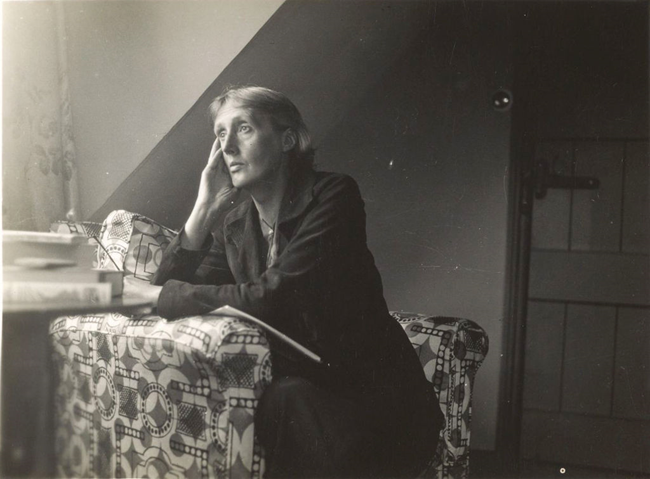
Virginia Woolf, an English writer who pioneered the use of stream of consciousness narration, was a tremendous diarist. Her diaries and her collection of autobiographical essays, ‘Moments of Being’1, reveal her longstanding struggle with health issues that today might be classified as Myalgic Encephalitis/Chronic Fatigue Syndrome (ME/CFS). Reading her work for a creative writing class, I realized that her unrelenting fatigue, brain fog, and memory issues might have been due to unrecognized thiamine deficiency; an issue that I have struggled with, and published articles here and here and written two books about: The Missing Link in Dementia and Swimming in Circles.

‘My Brain Is Like a Scale’ – A Familiar Symptom of Thiamine Deficiency

Virginia’s diaries logged, in vivid detail, the symptoms she experienced – a condition which, like many today, had no clear diagnosis or treatment. She suffered with severe fatigue, ‘such an exaggerated tiredness’2(p.121), which fluctuated, ‘My brain is like a scale: one grain pulls it down. Yesterday it balanced: today it dips’2(p.260). The fatigue was noticeably worse after physical exertion, ‘But I am too tired this morning: too much strain and racing yesterday’2(p.263), but also deteriorated after socializing, ‘I’m too tired to go on with [reading]. Why? Talking too much I daresay. I thought, though, I wanted “society”’2 (p.230). Her symptoms recovered with rest – ‘A day off today’2(p.230).

In my memoir, ‘The Missing Link in Dementia’, I describe an illness characterized by extreme fatigue, insomnia, post-exertional malaise and significant memory problems. My condition progressively deteriorated, and I became extremely tired all the time. Severe insomnia left me restless most nights, and I would awake each day feeling unrefreshed and permanently exhausted. Any physical exertion, even walking, worsened the fatigue, my legs would feel heavy like dead weights, powerless and clumsy.

The most frightening symptom was short-term memory loss. I would spend hours reminiscing; spectacularly clear distant memories were more easily retrieved than any recent event. I experienced brain fog, reminding me of my pregnancy-induced woolly brain. I was forgetting things – outcomes of discussions or meetings at work, names, and then faces. I struggled to concentrate. I feared I was developing early dementia, and that my brain was becoming encased in amyloid plaques. In my memoir I described how I imagined these smothering my brain like a fleece in winter. Over time I steadily deteriorated with frightening moments of being unable to recognize my surroundings.

I wrote my memoir before reading the description of Virginia’s vivid memories of a happy childhood that were, ‘more real than the present moment.’1(p67). She tried to rationalize this experience – the strength of simple childhood memories compared with the weak later memories, describing ‘non-being’ as everyday activities that did not assimilate into our memory banks. She wrote, ‘I’m brain fagged’2(p.309), ‘I have already forgotten what we talked about at lunch; and at tea;’1(p70) but she knew that ‘although it was good day the goodness was embedded in a kind of nondescript cotton wool.’1(p70). Shortly before the end of her life she wrote: ‘I can’t concentrate’, ‘I can’t read’3. She had cognitive decline with short term memory loss.

The Emotional Component of Inadequate Thiamine

In contrast to my numbed senses, my emotions were far from muted, I was overly excitable or would burst into tears or become inappropriately angry at minimal provocation. I suffered with palpitations which were disconcerting, and at times, disturbing. Virginia wrote that she, ‘felt such rage’1(p125) and that her, ‘heart leapt: and stopped: and leapt again…and the pulse leapt into [her] head and beat and beat, more savagely, more quickly.’2(p.179)

I was scared, not knowing where to turn to for help. My quality of life was extremely poor. I had always been an optimist, but I could see no future living like this. I even contemplated suicide, because I did not wish to become a burden. I thought I was going to die anyway, and I was extremely sad that I wouldn’t see my children grow-up, but I thought that they would be better off without me. It seems terrible now – selfish even, but I was unable to control how I felt.

Virginia had suffered with an illness that had features of depression, she felt ‘such anguishes and despairs’2(p.94).  She wrote that she was spoiling Leonard’s life. Tragically, she committed suicide in 1941 shortly after completing the manuscript of her last novel. She was 59. In her suicide note she wrote that: ‘Everything has gone from me’3(p.481).

Anorexia: A Cause and Consequence of Inadequate Thiamine

As a young adult Virginia had a stressful seven years with multiple deaths in the family1(p.117), sexual abuse during adolescence1(p.69), and probably had anorexia according to her great niece, Emma Woolf. Virginia was almost 6 foot and weighed 7st 6lb (104lbs) when she was institutionalized for rest and feeding, her body mass index (BMI) was 14.5, a marker that she was significantly underweight.

I found out in my forties that I had a congenitally malrotated gut, presenting unusually as an adult. I had developed marked slowing of my guts, so that it was becoming impossible to eat. The slowing of my guts meant that I no longer felt hungry. I had to remember to eat, to force myself to eat. I lost weight, dropping from size 12 to 6. I lost muscle mass; where previously I had muscles there were now gutters. The muscles were constantly twitching – fasciculation’s, tics, tremblings or flutterings.

Neurasthenia: The ME/CFS of the Time

It is likely that Virginia was influenced by Jane Austen. Virginia’s first novel has many links to Austen’s novels, including the names of characters. Famous quotes from Austen’s Pride and Prejudice hint at Mrs. Bennet’s underlying condition: ‘Mr. Bennet…You have no compassion on my poor nerves.’4(p.7), ‘…I am frightened out of my wits; and have such tremblings, such flutterings, all over me, such spasms in my side, and pains in my head, and such beatings at heart, that I can get no rest by night nor day’4 (pp.273-4).

Virginia Woolf and Jane Austen’s Mrs. Bennet were both thought to have suffered with neurasthenia, literally weak nerves, a term originally used in the nineteenth century United States, when it was associated with busy society women and overworked businessmen. The first description of neurasthenia was published by American neurologist Beard in 1869. Virginia wrote that she was ‘extremely social…for ever lunching and dining out…or going to concerts…and coming home to find the drawing room full…of people.’1(p.163) She was obliged to participate because the ‘pressure of society was now very strong.’ 1(p.128) She repeatedly spoke of a ‘world of dances and dinners’1(pp.170, 172).

Low Thiamine Causes Low Energy Levels

One of the problems in ME/CFS/neurasthenia is that there are no tests. A clue is that the predominant symptom is fatigue. After excluding other causes of fatigue, a prime suspect must be faulty energy production. Another problem in ME/CFS/neurasthenia is that there is a lack of understanding about the basic energy producing processes or the fact that thiamine, or vitamin B1, is crucial.

ATP (adenosine with three phosphates) is the main energy currency. Energy is released each time a phosphate group is removed from adenosine, becoming ADP (adenosine with two phosphates). This is the human equivalent of a rechargeable battery.

Respiration is the breakdown of food-fuel to release energy. The predominant fuel, glucose, is broken down to produce pyruvate via glycolysis – literally glucose breakdown. This pathway doesn’t require thiamine (or oxygen). It produces two ATP. This is just small change in comparison with the energy produced in the battery factory – mitochondria.

Entry into the battery factory is through the gatekeeper enzyme – pyruvate dehydrogenase. This enzyme breaks down pyruvate, and importantly, requires thiamine as a co-factor – it malfunctions without thiamine.

Once inside the factory there are two production lines: one continuously uses recycled components (tricyclic acid cycle) and the other is a chain of reactions (electron transfer chain). These processes make significantly more ATP, producing more charge, more efficiently – like ultra-rapid charging for EVs. Obviously, this is a simplified version to hammer home the message that thiamine matters. A more accurate, detailed and scientific (less creative) description can be found here.

A shortage of thiamine (or oxygen) results in the excess pyruvate being converted to lactic acid. A familiar sensation to anyone who has sprinted 100m, when the demand for energy is higher than production, is the build-up lactic acidosis in the muscles, causing cramping, burning or weakness. This diversion of metabolism to an anaerobic (without oxygen or thiamine) pathway is inefficient, because another chemical reaction, requiring yet more energy, is required for the muscles to remove the lactic acid and recover. This results in an energy debt as it costs more energy to return the lactic acid to the usable pyruvate – akin to buying back the family silver from the pawn shop.

During exertion thiamine is required to ensure the higher power charge is readily available. Excess lactic acid results when energy requirements outstrip production, whether from a lack of oxygen or thiamine. In patients with ME/CFS, lactic acid accumulates more readily during exercise and before oxygen supplies are exhausted, and an elevated lactic acid level is found in the fluid surrounding the brain. Malfunctioning pyruvate dehydrogenase has been identified as key in ME/CFS. These patients feel like they are doing a 100m sprint whenever they try to walk. The (now debunked) treatment of patients with ME/CFS with exercise therapy, shows that their condition was misunderstood.

For those with a more sedentary existence, falling asleep with an arm above your head gives the same sensation. When the blood starts to circulate the arm temporarily feels like a dead weight. The arm is incredibly weak and lacks coordination. This is because the nerves no longer respond to the instructions from the brain.

Weak Nerves? Think Thiamine.

Nerves are highly susceptible to thiamine deficiency. The poorly insulated nerves – the autonomic nerves – are particularly vulnerable to thiamine deficiency. These autonomic nerves control the fight and flight response and regulate gut movement, sweating and heart rate – the ‘housekeeping’ functions which are outside voluntary control. After prolonged thiamine deficiency, eventually all nerves are affected, including the larger, better-insulated sensory and motor nerves. Arguably, the term neurasthenia is more appropriate than ME, it indicates the underlying problem – reduced nerve function.

According to the hypothesis that I describe in my memoir, excess thiamine-destroying bacteria, in the part of the gut responsible for absorbing nutrients, reduce thiamine availability. Vitamin D deficiency is common in bacterial overgrowth; it makes sense that it is a surrogate marker for thiamine deficiency. Vitamin D deficiency often occurs in patients with ME/CFS.

Rest, Recover, and Recharge

Back then, the best treatment for neurasthenia was the ‘rest cure’. Beard, a sufferer himself, astutely remarked that it was due to the body being drained of nervous energy due to an overtaxed supply of energy. Virginia was treated with rest and recognised that her nerves required respect: ‘Only nerve vigour wanted’2(p230). She was also treated with a high protein diet. Similar approaches have been popularised today. Diets such as paleo, South Beach and Mediterranean support a higher protein consumption. I ate a low carbohydrate diet for years and still avoid sugar now. I also took thiamine supplements, had corrective gut surgery and antibiotics. Popular techniques for resting the mind and body include meditation, yoga, relaxation and mindfulness. Resting helped me. It wasn’t easy, because I felt agitated and compelled to move. I spent hours doing jigsaws, aware that I was recharging my batteries – a term I’ve used but not reflected on. Strangely, this is the underlying problem: low charge, faulty charging, poor battery capacity. We have a far better understanding of modern technology that has been around for a few decades than the human system in existence for millennia which is reliant on thiamine.

Thiamine Deficiency, Modern Lifestyle, and Sugar Cravings

Humans have some design glitches predating our modern lifestyles. The first anomaly is that ATP is not stored, and the ATP generated is used 1000 times over each day – the body must constantly produce and recycle ATP. The second design fault is that thiamine, despite being essential, is not stored and is only poorly absorbed through the gut. Low thiamine levels are prevalent in society, leading to faulty recharging of our internal batteries.

Beard, who wrote about his neurasthenia in 1869, thought it was due to American modernization. He was right; we have made poor lifestyle choices. In the United States, sugar became readily available after 1864, following the civil war, with the construction of the biggest sugar refinery in the world on Long Island and a reduction in taxes. In the UK, sugar consumption escalated a century earlier, Britain was described as the ‘sweetshop of Europe’, thought to be in part due to our tea-drinking habit. By the time Jane Austen was writing, sugar was Britain’s most valuable import. Originally a condition affecting the upper classes, neurasthenia spread to the lower classes, as sugar became more affordable, although this may reflect access to medical care.

I had been craving sugar for years to gain short bursts of energy as I flagged, adding sugar to tea, one teaspoon became two, then three. Like topping up a meter constantly with small change, the sweet tea momentarily cleared the brain fog, allowing me to see another patient or simply make it to the end of the day. I experienced the same sensation in my colleague’s office after a dose of intravenous thiamine – the cotton wool vaporized.

The brain only uses glucose for energy production, whereas muscles can use protein as a fuel. I now understand that by drinking sugar-charged tea I had been supplying my glucose-dependent brain with glucose for the glycolysis pathway but because I was deficient in thiamine, the products of glycolysis could not enter the TCA cycle and progress to the electron transport chain where most of the ATP is made. The sugar craving was a sign that my brain was starving – desperate for energy – for titbits of ATP.

Factors Affecting Women

ME predominantly affects women. In many cases there is a deterioration during the peri-menarche or perimenopause, times of marked growth and/or hormonal changes. Progesterone slows gut motility. Estrogen improves nerve connections in the hippocampus – the part of the brain responsible for working or short-term memory, it also increases glucose uptake into the brain.

Being perimenopausal, my falling estrogen levels meant that the brain uptake of glucose was less efficient. Glucose offered short-term relief but exacerbated the bacterial overgrowth and malabsorption. It was clear that I had been breaking down muscle and using it as a protein source to produce energy outside my brain, contributing to the muscle wasting I experienced.

Thiamine is depleted during pregnancy, breast feeding, growth, infections and exercise. Having had four children, all breast fed, I had started exercising to get fit, and lost weight, initially intentionally. Other familial factors, immune deficiency causing recurrent infections or defective thiamine uptake genes, might have contributed. I had multiple factors, any one of which would deplete thiamine.

Was Virginia Woolf Deficient in Thiamine?

We will never know. What we do know though is that thiamine deficiency leads to poorly functioning housekeeping nerves and slow guts, predisposing to small intestinal bacterial overgrowth. This causes reduced appetite, trouble eating, reducing thiamine intake further. It is a physical problem caused by vitamin deficiency, poor nerve function initially, and eventually, nerve damage. Thiamine deficiency is treatable. It is not a psychiatric illness – the mental symptoms I experienced were caused by thiamine deficiency. Virginia Woolf was probably thiamine deficient too, having suffered with anorexia nervosa. She had a diagnosis of neurasthenia, now known as ME/CFS. Millions of people suffer with ME/CFS. Perhaps it is time we look into thiamine.

References

  1. Woolf V. Moments of being unpublished autobiographical writings. Schulkind J (ed). New York and London: Harcourt Brace, Jovanovich; 1976.
  2. Woolf V. A writer’s diary: being extracts from the diary of Virginia Woolf. Woolf L (ed). New York: Harcourt inc.; 1953.
  3. Woolf V. The Letters of Virginia Woolf. Vol. 6, 1936-1941. Nicolson N, Trautmann J (ed). London: The Hogarth Press; 1980.
  4. Austen J. Pride and prejudice. Vivien Jones (ed). London: Penguin Classics; 2003.

We Need Your Help

More people than ever are reading Hormones Matter, a testament to the need for independent voices in health and medicine. We are not funded and accept limited advertising. Unlike many health sites, we don’t force you to purchase a subscription. We believe health information should be open to all. If you read Hormones Matter, like it, please help support it. Contribute now.

Yes, I would like to support Hormones Matter.

Image credit: Harvard University library, Public domain, via Wikimedia Commons.

1 2 3 4 5 6 13