thiamine - Page 9

Thiamine and the Energy To Heal

11.4K views

Over the last 8 years or so and since the publication of our book: Thiamine Deficiency Disease, Dysautonomia, and High Calorie Malnutrition, I have written dozens of articles and given countless interviews and talks on the importance of thiamine. Just last month, I was privileged to give a talk on thiamine at The Forum for Integrative Medicine. While the talk was recorded, it was available only to conference attendees, physicians, and other practitioners. So that others may have this information, I am including the PowerPoint below.

The talk was entitled: Thiamine and the energy to heal. In it, I outline why we ought to be looking at thiamine, why we are not, and why so many people are walking around with insufficient thiamine relative to the demands not only of modern living, but also, for their own genetic predisposition and unique constellation of environmental exposures. All of the benefits of modernity that we enjoy so readily, the fast and convenient foods with chemical preservatives that extend shelf life, the agricultural chemicals that promise to maximize production, the industrial chemicals that make transportation, heating and cooling, computer and cell phone technologies possible, and modern medications that override natural systems, all deplete thiamine and other nutrients. In other words, modern living demands more nutrition that we provide and that, I believe, is the root of all illness.

Sadly, conventional wisdom disagrees. We are taught that food availability, no matter its composition, equates with nutrient sufficiency. With a good portion of the population overweight or obese, the idea that we may be fundamentally malnourished seems comical. When speaking of nutrition, even prominent researchers and physicians use the term ‘over-nutrition’ to describe the health risks associated with being over-weight. Read just about any article on obesity and the term will likely be used. I won’t belabor the point, but I have to note, that how we define nutrient sufficiency determines whether or not we understand deficiency.

The title of the talk – thiamine and the energy to heal – points directly to the key concepts both Dr. Lonsdale and I have been pushing for years: that healing takes energy and energy takes thiamine. We know this intuitively. What do we do when ill? We rest to conserve energy. Over the last several decades, however, we have forgotten that in order to conserve energy, we have to be able to make energy. No amount of energy conservation will help if one cannot make energy efficiently in the first place.

So how do we make energy? Biological energy or ATP is synthesized by deriving from the foods we eat essential macro (amino acids from protein, fatty acid from fats, and glucose from carbohydrates) and micro nutrients (vitamins, minerals, and metals) and funneling those substrates through a series reactions to make ATP. Those reactions take place in the cell, but mostly in the mitochondria, and all of them require ample nutrients to run. The manufactured ATP then drives everything else. It gives us the energy to live, to breathe, for the muscles to contract, the brain to function, the heart to beat, the immune system to fight illness, even the ability to die a peaceful death requires sufficient ATP. When we cannot make sufficient ATP to fuel the basic functions of living, to put it bluntly, sh%t goes wrong, and it goes wrong in some wildly bizarre and unique ways. Importantly, when we cannot make adequate ATP, no amount of rest will help. Indeed, some research suggests, extended periods of immobility may even degrade ATP synthesis. See here, here.

Why Thiamine?

Thiamine is key to making ATP. It serves as a rate-limiting nutrient to the entire process. If there is not enough thiamine relative to demand, ATP production suffers. Thiamine is the gatekeeper to mitochondrial production of ATP. It quite literally determines whether substrates of glucose can enter the mitochondria and produce up to 30 units of ATP per glucose molecule or if glucose has to be metabolized in the cell where we get only about 2 units of ATP per molecule. Thirty versus two is a huge difference in energy production. Imagine trying to function on such diminished energetic capacity. It just does not work.

That’s not all – thiamine is involved in fatty metabolism and fats can provide up to 100 units of ATP per molecule and it is involved in protein/amino acid metabolism where it determines the pattern of amino acids available for DNA/RNA and other functions. So thiamine is absolutely critical to health and we simply do not get enough from the modern diet both directly and relative to demand. Remember, modern living demands more thiamine than modern diets provide.

Returning back to having the energy to heal, if thiamine is instrumental in making energy, thiamine then is instrumental to healing. To the extent one is unable to heal or suffers with a chronic illness that will not resolve, it is very likely that thiamine intake is insufficient to the demands of the illness. Sure, there are other nutrients that are absolutely critical for health and healing and may also be deficient, but they are downstream of thiamine and require ATP to be managed effectively. That means when thiamine low, we are unable to utilize a whole bunch of other nutrients. It also means that many nutrient deficiencies may be relative to reduced ATP production from inadequate thiamine and not a reduction of the nutrient itself.

The bottom line is that thiamine is critical for health and healing and we ignore it at our own peril.

Thiamine and the energy to heal.

We Need Your Help

More people than ever are reading Hormones Matter, a testament to the need for independent voices in health and medicine. We are not funded and accept limited advertising. Unlike many health sites, we don’t force you to purchase a subscription. We believe health information should be open to all. If you read Hormones Matter, like it, please help support it. Contribute now.

Yes, I would like to support Hormones Matter.

Photo by Dan DeAlmeida on Unsplash.

Understanding Mitochondrial Energy, Health and Nutrition

16.7K views

I live in a retirement community. In my everyday discussions with fellow residents, I find that the idea of energy metabolism as the “bottom line” of health is almost completely incomprehensible. Since my friends are all well-educated professional people, I came to the conclusion that few people really have an idea about energy. For example, we talk about people who indulge in physical sports being energetic, while people sitting behind a desk are classed as sedentary. What we fail to realize is that mental processes require even more energy than physical processes. Both physically and mentally active people consume energy, so it is obvious that some kind of attempt must be made to talk about energy as it applies to the human body.

Hans Selye and the Stress Response

I will begin by giving an outline of the work that was performed many years ago by a Canadian scientist by the name of Hans Selye. Originally he was a Hungarian medical student. Some of the teaching was done by presenting individual patients to the class of students. The professor would describe the details of the disease for each person. What interested Selye was that the facial expression of each patient appeared to him to be identical. He came to the conclusion that this was the facial expression of suffering, irrespective of the nature of the disease. He referred to this as the patient’s response to what he called “stress”. He decided to study the whole concept of stress. He immigrated to Canada and in Montréal he set up a research unit that came to be called “The Research Institute of Stress”.

Of course, Selye could not study human beings and his experiments were performed on literally thousands of rats. He subjected them to many forms of physical stress and detailed the laboratory and histological results. He found that each animal would begin by mustering the well-researched fight-or-flight reflex. If the stress was continued indefinitely, the metabolic resistance of the animal gradually decayed. He called this ability of the animal to resist stress the “General Adaptation Syndrome” and came to the conclusion that it was driven by some form of energy. If and when the supply of energy was exhausted, he found laboratory changes in blood and tissues that were listed carefully. Although extrapolating this information from animal studies, he ended up by saying that humans were suffering from “diseases of adaptation” and that they were the result of a failure to adapt to the effects of life stresses.

My addition to this is that it would have been better to describe them as “the diseases of maladaptation”, meaning that humans have to have some form of energy to meet life. If there is energy failure, disease will follow. The remarkable thing is that energy production in the human body was virtually unknown in Selye’s time, so his conclusion was a touch of genius. The mechanism by which energy is produced in the cells of the body is now well-known. We know that energy consumption is greatest in the lower part of the brain and the heart, organs that work 24 hours a day throughout life. The lower part of the brain that organizes and controls our adaptive capabilities is particularly energy consuming. So before we begin to think about energy as a driving force, let us consider what we mean by stress and how we adapt to it.

Human Stress: Surviving a Hostile Environment

We all live in an environment that is essentially hostile. We have to adapt to natural changes such as cold, hot, wet and dry. We are surrounded by enemies in the form of microorganisms and when they attack us, we have to set up a complex mechanism of defense. Add to this the possibility of trauma and the complexity of modern civilization, involving business and life decisions. We possess the machinery that enables us to meet these individual stresses, meaning that we are adapting. Health means that we adapt successfully and that is why “diseases of maladaptation” makes a lot of sense. Obviously, the key is that the machinery requires energy.

Energy Metabolism, Physics, and Chemistry

First of all, let us begin by trying to define energy. The dictionary describes it as “a force” and the only way in which we can appreciate its nature is by its effects. It is not a substance that we can see but the effects of light energy enable us to have vision. The old riddle might be mentioned; “Is there a sound in the forest when a tree falls?” The answer is of course that the only way that the resultant energy can be perceived is when it is felt by the human ear. Even that is not the end of the story, because the ear mechanism has to send a message to the brain where the sound is perceived. Thus, there is no sound in the forest when a tree falls. It is the perception of a form of energy, a force that impacts on the ear of any animal endowed with the ability to hear. Energy can be stored electrically in a battery or as heat energy in a hot water bottle, but the inevitable process is that the energy drains away. A hot cup of coffee cools. A battery gives up its stored energy and becomes just “another lump of matter”.

For example, if a stone is rolled up a hill, its natural tendency would be to roll down the hill again. Whatever force is being used to roll the stone up the hill is known as “potential energy”. In other words, there has to be a constant supply of energy as long as the stone is moving up a gradient against gravity. When it reaches the top, we say that the potential energy is being stored in the stone. It is the equivalent of electricity being stored in a battery. The “potential energy”, however, requires an electrical force to “electrify” the battery. The potential energy in the stone can be released by allowing it to roll down the hill and Newton called this kind of energy “kinetic” (the use of a force to produce movement). The force that is being used is of course the effect of gravity and the stone becomes stationary when it gets to the bottom of the hill. The use of gravity as the source of energy is simply wasted, but note that gravity has not changed. It is still available for use. Let us take a simple example of this energy being used for a purpose. Suppose that there is a wall at the bottom of the hill and a farmer wishes to create a gate. In a fanciful way he could use the stone to create a gap in the wall. The gap in the wall is the observable mark of the effect produced by consumption of kinetic energy.

The body consists of between 70 and 100 trillion cells, each of which has a special function. Each is a one-celled organism in its own right and in order to perform their function they need a constant supply of energy. This is developed by complex body chemistry. The “engines” in each cell are called mitochondria and one of their many different functions is to synthesize energy. The energy that is developed is stored in a chemical substance known as adenosine triphosphate (ATP) and in order to understand this a little more, perhaps we should think of the Newtonian analogy for comparison. The Newtonian hill is replaced by an electronic gradient and the stone by the chemical ATP

Of Mitochondria and ATP

Cellular energy is produced in the mitochondria by oxidative metabolism. This simply means that a fuel (glucose) combines with oxygen but, like any fuel, it has to be ignited. The best way to analogize that is to say that thiamine can be compared with a spark plug that ignites gasoline in a car. It “ignites” glucose. The resultant energy is used to add a phosphate molecule to adenosine three times to make ATP (the electronic gradient). We have “rolled an electronic stone up an electronic hill”. As the adenosine donates phosphate molecules, it becomes adenosine monophosphate (AMP) that must be “rolled uphill again”. As it is “rolling down the electronic hill”, it is transferring energy. Therefore, ATP can be thought of as an energy currency. Note that there must be a continuous supply of fuel (food) that must contain the equivalent of a spark plug (thiamine) in order to maintain an energy supply with maximum efficiency.

The loss of any one of a huge number of components in food that work in a team relationship with thiamine, lowers the energy maximum. That is why thiamine deficiency has been earmarked as the major cause of a disease called beriberi that has haunted mankind for thousands of years. Its deficiency particularly affects the lower part of the brain and the heart because of their huge energy demand. Since the lower brain contains the control mechanisms that enable us to adapt to the environment, as depicted above, it is easy to see that we would be maladapted if there is energy deficiency, just as Selye predicted. In fact, one of his students was able to produce a failure of the General Adaptation Syndrome by making his experimental animals thiamine deficient. It also suggests that a lot of heart and brain disease is really nothing more than energy deficiency that could be easily treated in its early stages. If the energy deficiency is allowed to continue indefinitely because of our failure to recognize the implications, it would not be surprising that changes in structure would develop and produce organic disease.

Health and Disease in the Context of Energy

With this concept in view, the present disease model looks antiquated. There are only three factors to be considered. The first one is obviously our genetic inheritance. If it is perfect, all it requires is energy to drive it. However, DNA is probably never perfect in its formation. It may not be imperfect enough to cause disease in its own right, but a slight imperfection would constitute what I call “genetic risk”, causing disease in association with a stressor such as an otherwise mild infection or trauma.

Suppose that a given patient died from an infection (think of the 2018 flu).The present medical model would place the blame on the pathogenic virulence of the virus without considering whether malnutrition played a part by failing to produce sufficient energy for the complex immune response. Therefore, the second factor to be considered is the perfection of the fuel supply and that obviously comes from the quality of nutrition. Stress (the viral attack or non-lethal trauma) becomes the third consideration, since we have shown that an adequate energy supply is required for adapting on a day-to-day basis. There is even a new science called epigenetics in which it has been shown that nutrient components can be used to upgrade genetic mistakes in DNA. A fanciful interpretation of these three factors, genetics, nutrition and stress can be portrayed by the use of Boolean algebra. This is a mathematical representation as interlocking circles. The area of each circle can be easily assessed, marking their relative importance. The interlocking area between any two of the three circles and that of the three circles together completes the picture. It becomes easy to perceive how a prolonged period of stress can impact health. The present flu epidemic may be an example of the Three Circles of Health in operation, explaining why some people have only a mild illness while others die. Could the appalling nutrition in America play a part?

Why Thiamine

The pain produced by a heart attack has always been a mystery in explaining why and how it occurs. The answer of course is that pain is always felt by sensory apparatus in the brain. The brain is able to identify the source of the signal as coming from the heart but cannot interpret the reason. I am suggesting that in some cases, the heart is having difficulties from energy deficiency and notifying the brain. A coronary thrombosis would introduce local energy deficiency, but other methods of producing energy deficiency would apply. It is logical to assume also that brain disease is a manifestation of cellular energy deficiency. That is why I had found that so many children referred to me for various mental conditions responded to megadoses of thiamine. It is also why I had found that so much emotional disease was related to diet and not to poor parenthood.

I recently came across a patient that I had seen many years ago when he was a child. He had a diagnosis of Tourette’s syndrome, made elsewhere. I treated him with megadoses of thiamine and his symptoms resolved completely. Medical skepticism would answer this by calling it a placebo effect, but since this effect is well-known, it must have a mechanism. For many years I have believed that therapeutic nutrition “turns on” this effect by enhancing cellular energy. A small group of physicians known as “Alternative Medicine Practitioners” use water-soluble vitamins, given intravenously, irrespective of the acceptable clinical diagnosis. For example, I remember a young woman who came to see me with a diagnosis of “Thrombocytopenic Purpura”. This disease is a loss of cellular elements known as platelets and it had resisted orthodox treatment for years. I gave her a series of intravenous injections of water soluble vitamins with complete resolution of the problem. I must end by stating that healing is a function of the body. The only way that a healer can be justifiably recognized is by supplying the body with the ingredients that it requires to carry out the healing process. Perhaps spontaneous healing, as for example initiated by religious belief, is an ability to muster those ingredients that are present, but hitherto unused.

We Need Your Help

More people than ever are reading Hormones Matter, a testament to the need for independent voices in health and medicine. We are not funded and accept limited advertising. Unlike many health sites, we don’t force you to purchase a subscription. We believe health information should be open to all. If you read Hormones Matter, like it, please help support it. Contribute now.

Yes, I would like to support Hormones Matter. 

Image by 422737 from Pixabay.

This article was published originally on February 14, 2018.

Charcot Marie Tooth Disease and Thiamine: A New Genetic Connection

15.3K views

It is very probable that a non-medical reader, coming across this title, would not be further interested. Charcot was a famous neurologist in France, Marie one of his students, and Tooth was an English neurologist. They were the first physicians to observe a disease pattern that reappeared from time to time in their experience. Because the cause was unknown, their names were used to document the disease in medical texts. This post is being written to describe its complex genetic mechanisms that are coupled with thiamine metabolism and the fact that it is the most common inherited neuromuscular disorder.

Symptoms of Charcot Marie Tooth Disease

Symptoms commonly begin in childhood or early adulthood, although they may appear much later. Muscle degeneration in hands and legs appears together with a burning sensation in feet and hands. There is decreased sensation in the feet and hands and an awkward gait that is observed in the patient. Abnormal curvature of the spine, known as scoliosis appears and there is increased clumsiness and tripping.

Prevalence data from the general population is lacking. At present 47 hereditary neuropathy genes are known to be involved and it has been estimated that 30-50 genes are yet to be identified. However, in 2018, it was shown that deficiency of a single gene (DHTKD1) in mice caused them to develop the symptoms of the disease.

DHTKD1 and Thiamine

Maintaining the functional integrity of mitochondria, the energy producing organelles in cells, is crucial for cell function. Mitochondrial dysfunctions may alter energy metabolism and in many cases are associated with neurological disease. Although the function of DHTKD1 in the mitochondria remains unknown, it has been reported that there is a strong correlation with ATP production, the currency of energy metabolism. Genetically determined suppression of DHTKD1 leads to Impaired mitochondrial biogenesis and increased reactive oxygen species. In simple language, energy production is impaired.

What interested me was that the structure of the DHTKD1 gene is reported to be associated with thiamine. Mutations have been associated with certain metabolites in urine (2-amino adipic and 2- oxoadipic acids), Charcot Marie Tooth disease, and eosinophilic esophagitis (EoE). The pathophysiology of these two clinically distinct disorders remains elusive. It suggests that named diseases, each with its alleged distinctive laboratory studies, could all be the variable result of cellular energy deficit. It calls to mind the energy dependent General Adaptation Syndrome that gave rise to the conclusions of Hans Selye who described human diseases as “The Diseases of Adaptation”.

An experiment in rats investigated the long-term changes in brain metabolism after a single injection of 400mg/Kg thiamine. Protocols were established for discrimination of the activities of the two dehydrogenase complexes that constitute the enzymes derived from the DHTKD1 gene. The thiamine induced changes depended on brain-region-specific expression of the thiamine dependent dehydrogenases. In the cerebral cortex, the “thinking” part of the brain, both were relatively high and did not increase with thiamine administration. In the cerebellum, part of the automatic brain function, the original levels of both were relatively low and the activities of both were upregulated by the injection.

Energy Deficiency

The well-known effect of thiamine deficiency (TD) is the disease called beriberi. Because the brainstem, limbic system and cerebellum are peculiarly sensitive to thiamine deficiency, the autonomic nervous system becomes dysregulated, giving rise to symptoms of dysautonomia. Many case reports are to be found in the medical literature where a given disease has been found to be associated with dysautonomia, where the association observed is considered to be a mystery.

A case report of a single patient with eosinophilic esophagitis (EoE) was reported to have TD as the underlying cause of the associated dysautonomia. Since it is well known that sugar easily induces TD, the publication asks whether EoE is a sugar sensitive disease. Thiamine is a necessity for the metabolism of the vagus nerve, part of the autonomic nervous that is now known to control the mechanisms of inflammation, an essentially defense mechanism that occurs in many disease conditions.

Beriberi is variably polysymptomatic. None of the symptoms are exclusive to the disease. The reason seems to be adequately explained by the fact that it is the most obvious energy deficiency condition known. Potentially affecting every cell in the body, it would be expected to have its major effects in the most metabolically active tissues. It is well known that the brain, nervous system and heart are the organs that answer to that criterion. I have always been interested in seeing a written report of a neurological disease in which heart disease is seen as an unexpected complication. The observer usually believes that this represents the appearance of a second disease instead of looking for energy deficiency as the cause of both.

Protein Folding and Thiamine

Enzymes are proteins and are constructed from long chains of amino acids bound together, possibly by electro-magnetic attraction. When not in use, the chain has to be folded, presumably for storage. When required for use as an enzyme it has to be unfolded. The folding/unfolding details of these chains are exquisitely complex and repetitive but the mechanism remains unknown. Every polypeptide has the capacity to misfold and form a non-functional protein.

A normal protein called the prion protein exists in the body. Its functions are largely unknown. It is also the key molecule involved in the family of neurodegenerative disorders, also known as prion diseases. Several forms of disease result from an accumulation of a variably misfolded isoform of this protein. Of profound interest, it has been reported from animal studies that the prion protein binds thiamine, leading to the hypothesis that thiamine metabolism might supply the energy required for protein folding and unfolding.

Genetics Versus Epigenetics in Charcot Marie Tooth Disease

The relatively recent discovery that nutrients can have an effect on genes has led to the science of epigenetics. It seems to be apparent that, although genes can cause a disease on their own, many genetically determined mechanisms may be insufficient to cause a disease by themselves. Perhaps the symptoms of a well-established, genetically determined disease such as Charcot Marie Tooth disease might respond clinically and biochemically to an epigenetic trial of a nutrient associated with its structure and consequent function. The symptoms of Charcot Marie Tooth disease are those that could be expected from a deficiency of energy affecting the genetically determined associated cellular defects.

Parkinson’s, Alzheimer’s, Huntington’s diseases and prion disease, as well as a variety of other disorders, are regarded as examples of an anomalous aggregation of proteins and all associated with thiamine. Also, Costantini and his group have shown that Parkinson’s disease responds clinically to high dose thiamine. This group had already reported that high dose thiamine had relieved the fatigue associated with ulcerative colitis and Crohn ‘s disease, implicating that energy deficiency was the cause of fatigue. The question arising from all of this – is energy deficiency the cause of disease, represented in a massive conglomerate of different manifestations ?

Conclusion

Charcot Marie Tooth is now an old-fashioned way of describing a disease, particularly because a single gene defect has been implicated to be responsible for this disease as well as EoE, two entirely different conditions. It is suggested here that the genetic changes lead to energy deficiency in the affected cells. Evidence is accumulating that Selye’s explanation of human diseases as the “diseases of adaptation” may be correct. Perhaps it may lead to general acceptance of Orthomolecular Medicine as proposed by the late Linus Pauling.

We Need Your Help

More people than ever are reading Hormones Matter, a testament to the need for independent voices in health and medicine. We are not funded and accept limited advertising. Unlike many health sites, we don’t force you to purchase a subscription. We believe health information should be open to all. If you read Hormones Matter, like it, please help support it. Contribute now.

Yes, I would like to support Hormones Matter.

Benefros at English Wikipedia, CC BY-SA 3.0 <http://creativecommons.org/licenses/by-sa/3.0/>, via Wikimedia Commons.

This article was published originally on July 14, 2021. 

The Red Thread and Thiamine

24.1K views

There is a saying in China about a Red Thread connecting people who are destined to meet and/or help one another in a profound way no matter how far apart they may be. Our adopted daughter Abby is that red thread. Abby was abandoned and found on the day our oldest daughter, Kayla, turned thirteen. It was at this time Kayla’s health issues were becoming worse. Although we didn’t know exactly what was amiss, we knew that something was wrong. In our efforts to help Abby, our family’s health issues were brought into stark relief. It seems that all of us have suffered from longstanding thiamine insufficiency. Even though my two daughters were born worlds apart, that red thread connects us. We published Abby’s story last week in the hopes that it might help someone else. Here is Kayla’s story.

Unhealthy Beginnings for My Beautiful Daughter: IVF and Induction

Common sayings like ‘you are what you eat’ can be haunting, leading to guilt when we see our children suffer the consequences of our own ill health, especially during pregnancy. My gut was messed up and had been for a very long time before becoming pregnant. I was likely deficient in thiamine and other nutrients and perhaps that is why I struggled to get pregnant in the first place. Sometimes gut dysfunction is obvious, as with constipation or diarrhea, but more often it manifests itself in other ways. That was me. I had/have Ehlers Danlos Syndrome (EDS) and most likely also, Mast Cell Activation Syndrome (MCAS) and Postural Orthostatic Tachycardia syndrome (POTS). I did not know any of this though before pregnancy and have only recently, after hours upon hours of research, come to learn how my health impacted my daughter’s health.

Kayla was our first hard-fought-for child. We were married 10 years and had undergone numerous fertility treatments before we finally achieved a successful IVF. Looking back, I realize that I was not healthy prior to or during my pregnancy, even so it was mostly an uneventful pregnancy with little to no typical unpleasantries. I had low progesterone early on that required progesterone injections and suppositories, but after 13 weeks everything stabilized. I had a high blood pressure reading at only one routine visit in my 39th week. The doctor decided to induce. We didn’t question it at the time, but later did. At the hospital, he administered Pitocin, a synthetic oxytocin, without any nurses in the room and left.  The nurses later commented that they were surprised, since my blood pressure was back in the normal range upon admission. Pitocin is just one of my regrets. Why was my body not triggering labor? Gut dysbiosis? Maybe/possibly/probably or maybe she just wasn’t ready to come out.

A Truly Gifted Child

Kayla was an extremely bright child. She wanted to learn chess at four years old. By age 9, I stopped playing with her because she always won. She gave her math brilliant-grandfather a run for his money.  She was homeschooled through 9th grade followed by private and then public school. She was a straight ‘A’ student, participated in various athletics (swim, track, dance, horse riding, etc.) and mastered two musical instruments by the end of high school. Kayla ranked in the top 5th percentile nationally and did well in first semester of college, but little did we know how precarious her health had become. Perhaps because of her intelligence and achievements, many of her health issues and difficulties were disregarded by physicians. On the surface, she looks well. She is very high functioning, but she has been plagued with an assortment of complicated and largely unrecognized health and neurological issues since birth. During her first semester of college, a series of stressors brought her health crashing down and she is only now beginning to recover. Part of her recovery has been diet, part involves thiamine, but we are still missing some pieces, which is why we are publishing her story.

Early Childhood Symptoms and Triggers

Her early childhood was marked by early bouts of bronchitis necessitating antibiotics. She suffered croup through age 7 years and seasonal allergies through her teens for which she used Claritin regularly. Nighttime enuresis was a problem until we removed gluten from her diet when she was 12 years old. Similarly, her speech was often and seemingly randomly slurred. She received speech therapy through the school to no avail. In 2018, we removed dairy from her diet and the slurring disappeared. It appears that just as a gluten reaction triggered her nighttime enuresis, the ingestion of dairy was some sort of trigger for her slurred speech. I should note, before learning this, we experimented with probiotics, fish oils, digestive and pancreatic enzymes, and a variety of other supplements off and on for years with no noticeable or lasting changes. Her younger years were marked also by body temperature dysregulation, i.e., hot in the winter, cold in the summer. Finally, most things, not all, came easy to her. She had extreme strengths and weaknesses with her strengths often masking her weaknesses. Noticed by many of her extracurricular teachers hard things seemed easy, and easy things hard. Her brain craved complexity.

Vaccinations, Cyclic Fevers, and Green Drinks

In her preteen years, she received numerous vaccinations (required and strongly recommended) prior to our trip to China to adopt her sister. Shortly after, she began to develop worsening mood swings, anxiety, depression, brain fog and has experienced dizzy spells off and on since then.

When her menses began, she bled heavy for three straight weeks. Her doctor put her on birth control pills to stop it; again, a symptomatic treatment. She was borderline to severely anemic and often had PMS and painful periods.

During her teen years, she had repeat and unexplained fevers. She was sick with high fever/flu-like symptoms for three days every four weeks for three years. She’d get sick like clockwork! She would become weak, sleep a LOT, as if she were in a coma. Her doctor was stumped. I had been reading a lot about the use of systemic enzymes used by German doctors. The book by Karen DeFelice mentioned viruses often have a cyclical pattern. So we used high doses of ViraStop2x according to her protocol for a 3-week “holding spell” and it was gone. No more cyclical episodes.

In trying to get healthier, she began “green drinks” (spinach/fruit) 5-6x week. Six months later she was very sick: anemic again, double ear infection, abnormal EEG with heart palpitations, chest pain, and shortness of breath. The cardiologist had put her on a heart monitor for three days, but the results were normal. Perhaps oxalates? I began learning more about oxalates and we began eating less of these foods overall. I’m grasping at straws…

The Red Thread and Thiamine

In 2018, we learned about TTFD/thiamine and began taking Sulbutiamine. My younger daughter, Abby, has improved immensely. In fact, my entire family now uses thiamine and we all feel much better. Before taking thiamine, we all used to be so tired after spending a day at the beach and everyone would need to nap. Now, after supplementing with thiamine for a while, everyone still has high energy levels after these trips. Except for Kayla. Her results with thiamine have been mixed. There seems to be more at play. Perhaps she requires a higher dosage of thiamine or maybe additional nutrients are needed.

Her recent labs for CBC/CMP, thyroid, A1C, vitamin D are all normal. Manganese is low and prostaglandin F2 is elevated. There is some indication of malabsorption based on her bloodwork.  Recently, an Organic Acids Test indicated normal oxalates, low dopamine and serotonin, and extremely high ketones/fatty acids. She has had high folate levels in the past, but at present are normal. Her B12 levels at present are elevated.

In 2019, she began having occasional extremely painful periods where she would be on-the-bathroom floor curled in the fetal position until Ibuprofen kicks in. Her skin is often very pale. Her doctor is not concerned about the increasingly painful menses or the ketones/fatty acid elevations.

My frustration as a parent is that because most of my child’s bloodwork is normal, the doctors write-off her symptoms as stress-related and recommend things like yoga, meditation or saunas or some fluff. Not that these things are bad, but there is something more at work here and no one seems interested in figuring it out. I am bothered that when they do see markers of inflammation or malabsorption they ignore them or really don’t know what to make of it.

Environmental Causes Of Ill-health and Longstanding Thiamine Insufficiency

Over the course of these last years, I have come to realize how important diet and environment are to health. When the pond is poisoned, sadly the tadpoles are hit first, are hit the hardest and display the affects most noticeably. Our youngest child was hit hard. Her circumstances prior to adoption were not conducive to health and she has had many struggles to overcome those early stressors and nutrient deficiencies. Likewise, owing to my ill-health prior to and during my pregnancy and the subsequent western medical treatments, Kayla struggles too. The pond was poisoned for both of them. All lifeforms that drink from a poisoned pond will manifest problems at some point, in some way. Perhaps if we had known about thiamine when they were younger, their problems wouldn’t have manifested the way they did.

Fortunately, Kayla has always eaten healthy, and has been active and athletic throughout her life. As an adult, she experiments with the removal of foods for periods of time to see if things improve, such as grains or cow’s milk and she is cooking creatively. She has been sugar-free for over a year. She takes vitamins and minerals and Sulbutiamine. She recently switched to Lipothiamine and Allithiamine and is now slowly increasing it to see if her dizziness will abate at some point.

I would trade all of her past accolades to have her in better health. We don’t know where her road will lead. Healing is multi-dimensional and someday we hope to look back at today with those oft used words “remember when…”.

Michelangelo was nearing 90 when he said “I am still learning.”  I hope to be too.

We Need Your Help

More people than ever are reading Hormones Matter, a testament to the need for independent voices in health and medicine. We are not funded and accept limited advertising. Unlike many health sites, we don’t force you to purchase a subscription. We believe health information should be open to all. If you read Hormones Matter, like it, please help support it. Contribute now.

Yes, I would like to support Hormones Matter.

This story was published first on August 31, 2020. 

Is Thiamine the Answer?

22.6K views

Since we have shown that many people with complex disease patterns respond to megadose thiamine and magnesium, irrespective or their symptoms, we have concluded that disease is due to a breakdown of health from energy deficiency. We have proposed that 3 interlocking circles (as in Boolean algebra), labelled Genetics, Stress, and Energy (or Fuel) must be considered singly or collectively as the cause of any disease. Energy is the force that enables any form of mental or physical body function. Its deficiency affects one or more of the three circles.

Genetics is not often a sole cause of disease. It usually requires other factors and genetically determined disease can often be treated by epigenetic energy stimulation. Symptoms of Type 1 diabetes often appear in middle age, often after a mild stress event such as a common cold. Surely it would appear at birth if genetics was the sole cause.

Any form of stress (infection, trauma, prolonged mental stress) demands cellular energy to meet it. The hind brain controls the complex response and is automatic. This part of the brain is highly sensitive to cellular energy deficiency and thus, energy stimulation is the essential factor required to treat any disease.

Beyond Deficiency

It has been shown by Antonio Costantini’s group that mega-dose thiamine treats Parkinson’s disease, presently deemed to be incurable. They have reported similar clinical benefits in Friedreich’s ataxia (another neurodegenerative disease), Multiple Sclerosis and Fibromyalgia, suggesting that each of these diseases, rather than having separate causes, are all energy dependent manifestations of disease. Just last year, a group of researchers linked a damaged thiamine/biotin transporter gene to Huntington’s Disease. Just this month another group has found that thiamine/biotin treatment compensates for the genetic dysregulation, restores function, and rescues neuronal pathology associated with Huntington’s Disease in mice.

A publication decades ago in a prestigious medical journal reported that 252 different diseases had been treated with mega-dose thiamine, with varying degrees of success.

This information, published in peer-reviewed medical literature is startling, because thiamine, in minute doses, is thought to have its sole responsibility as a vitamin. To use it as a completely non-toxic drug offends the present model used to explain disease. Also, it demonstrates that our knowledge of vitamins is incomplete.

Children’s Health and Thiamine

While I was working at Cleveland Clinic in the seventies as a pediatrician, many emotionally disturbed children were referred to me by pediatricians in private practice in the Cleveland area. I found that the diet of these children was full of empty calories due to their indulgence with candy, soft drinks and a variety of substances usually known as “junk foods”. They had been treated with a variety of pharmacological drugs that either had no effect or even made the clinical situation worse. I treated them with large doses of thiamine and their symptoms disappeared. The explanation by my colleagues was the traditional one, “spontaneous remission”, usually used to explain a mystery cure. My explanation was that deficiency of brain energy was responsible for their symptoms. Thiamine was stimulating its cellular synthesis.

The RDA for Thiamine and High Caloric Intake

I looked up the history of the establishment of the Recommended Dietary Allowances (RDA) for these essential substances occurring in natural foods. I found that the original recommendations had been made by a committee of “experts” and there was surprisingly little science involved. There was no attempt to tie the RDA of the vitamin to the calorie concentration.

The dietary supplementation of vitamins to selected foods by the food industry was thought to have completely removed vitamin deficiency disease from America. Consequently, doctors in practice are commonly seeing patients with many symptoms and failing to recognize the ancient disease known for centuries as Beriberi. Because the laboratory tests, used to confirm the nature of the disease, are normal, the many symptoms described by the patient gives rise to a diagnosis of psychosomatic disease by the doctor. Even worse, the patient is told that “it is all in your head” and he or she is advised to “pull him (her)self together”.

Deficiency of thiamine and magnesium, both essential to cellular energy production in the body, need to be in a concentration that is sufficient to oxidize the calorie concentration. That explains why the concentration of blood thiamine is usually normal in this common polysymptomatic disease, because the doctor fails to recognize the overload of “empty calories”. The concentration of thiamine would be normal for a healthy calorie load, as would exist in an organic natural diet.

We have reported high calorie malnutrition as a common cause of this widespread disease. Dysautonomia is responsible for the symptoms because the hind brain, where the control mechanisms of the autonomic nervous system exist, is highly sensitive to cellular energy deficiency. It matters little whether it is called Beriberi or high calorie malnutrition as long as the biochemical cause is understood.

We Need Your Help

More people than ever are reading Hormones Matter, a testament to the need for independent voices in health and medicine. We are not funded and accept limited advertising. Unlike many health sites, we don’t force you to purchase a subscription. We believe health information should be open to all. If you read Hormones Matter, like it, please help support it. Contribute now.

Yes, I would like to support Hormones Matter. 

Photo by Ana Municio on Unsplash.

Problems With the Medical Model of Disease

10.4K views

The use of the word model is supposed to describe the nature of disease as it differs from that of health. Hippocrates was the first person to offer a solution to the preservation of health by saying “Let food be your medicine and let medicine be your food”. Throughout most of history there was no model and treatment was based on largely futile ideas. The present age of medical thinking was ushered in by the discovery of disease producing microorganisms. The model became “kill the microorganism, the bacterium, the virus, the cancer cell”. If no microorganism or cancer cells could be found, the remaining diseases were long considered to be a mystery.

Recent research has advanced the model by discovering that the brain controls inflammation through the vagus nerve by the use of metabolites called cytokines. However, the present medical model still dictates that the various symptoms that signify loss of health are put together in collections. Each is considered to represent a particular disease that has to be named for diagnostic purposes and that a cure for each is to be found from detailed research. So we now have literally thousands of different diseases, often being called after the person who first observed a particular symptom/sign collection, such as Parkinson or Alzheimer. Each of the named diseases is supposedly recognized by a collection of laboratory tests that are “diagnostic”. What is even worse, is that this collection is often called a syndrome and the first observer has his/her name appended. From that time on, this particular collection is known as “Joe Soap’s syndrome”. Fortunately, there is change on the horizon as we gradually realize that the human body is a “machine” whose function is metabolic in nature.

The Stress of Life

When I was in active practice, I discovered that thiamine could be used as a “drug” for many of the situations that I encountered, seemingly irrelevant to the diagnostic category with which I was supposedly dealing. I was thought of by my colleagues as a medical heretic. Since it had long been known that thiamine deficiency was responsible for the disease called beriberi, I studied the history of the early attempts to find its cause. Beriberi had existed for thousands of years and was still largely a mystery at the end of the 19th century. I found how easy it was for the investigators to be misled. In Eastern cultures rice had been a staple for centuries. At that time, factories had been built in China in which buildings had been separated by a corridor. In the summer months the workers would congregate in them to take their lunch. As the sun moved around, it would shine on the congregated workers and several of them would come down simultaneously with the first symptoms of beriberi. The obvious conclusion for the investigators was that this was some kind of infection since several of them had succumbed at the same time. When it was found that thiamine deficiency was responsible, an explanation was required for this simultaneous incidence of the disease.

We now know that ultraviolet light is a source of stress. It can be concluded that the affected workers had been marginally deficient in thiamine. They were either asymptomatic or had mild symptoms attributed to other causes. The stress caused by sunlight had provoked symptoms of the disease simply because the required energy was unavailable to achieve homeostasis. This intriguing discovery caused me to seek the work of Hans Selye, whom I visited in Canada. As I have written in several posts on this website, he had determined from the study of rats that each form of stress had to be resisted and required energy. He called it the General Adaptation Syndrome (GAS) and offered the idea that human disease was a lack of sufficient energy required for adapting to the more severe environmental influences encountered on a daily basis. This included severe trauma and infections. The energy deficiency conclusion of Selye was later backed up by one of his students who was able to produce the GAS experimentally in a thiamine deficient rat without using any form of experimental stress.

It seemed to me to be obvious that I had to study the way energy is produced in the human body if I were to understand the reality of health and disease. In Selye’s time energy metabolism was poorly understood and it was a mark of his genius that enabled him to suggest that it was energy deficiency that caused the collapse of the GAS. The reason that all animals, including humans, are living is because they construct energy from food and this creates a chemical called adenosine triphosphate (ATP). From there, electrical energy has to be created and that is the energy that we use for functional activity. The transition from chemical to electrical energy is not precisely known but there is some evidence that thiamine in the form of thiamine triphosphate (note the parallel with ATP) plays an important part. This triphosphate form is exceptionally high in the electric organ of the electric eel, capable of producing a paralyzing shot of electrostatic electricity to zap its prey. The electric organ is an adaptation of a nerve ending just like ours. It is obviously important to understand that this is an evolutional adaptation and does not mean that we can produce a high energy output from our nerve endings. Indeed, the evidence is strongly in favor of the energy being in microvolts. We are identifying the electrical potential when we perform an electroencephalogram or an electrocardiogram and a recent test has been devised using the electrical potential of a person with Chronic Fatigue Syndrome (Open Medicine Foundation April 2, 2021).

Many of the people reading the information on this website are themselves patients seeking help for their misunderstood disease. The history recorded in their posts is repetitive and in each case their reported symptoms are usually thought to be bizarre by the physicians that have been consulted. In the present medical model a “real” disease is called organic and is marked by a series of abnormal laboratory tests. When these tests are reported to be normal, the conclusion is nearly always the same. The symptoms are considered to be imaginary in a person who is thought to be psychologically abnormal. They are referred to as psychosomatic and the patient is told that “it is all in your head”. It is always surprising to me that the physician seems to have the belief that the bizarre nature of the symptoms is generated in the patient’s brain without consumption of energy, that thought processes or imagination are not the result of energy consumption by brain cells.

Distorted Truth

The real trouble is that the disease model represents a distortion of the truth. To make a diagnosis, it is inherently necessary that some of the presently used laboratory tests must be abnormal. No thought is given to the possibility that energy deficiency in the brain might be the cause of the symptoms. Therefore no effort is made to obtain the right laboratory tests. It demands a totally different way of thinking about health and disease. People affected by this kind of brain energy deficiency disease are often working and living ostensibly normal lives but suffering greatly. They are in fact experiencing early beriberi, a disease that has a long morbidity and a low mortality. They can go on experiencing these symptoms for years, but if they are completely ignored as psychological misfits, one can easily imagine that permanent damage will develop. Perhaps Alzheimer’s and Parkinson’s disease are really reflections of this permanent damage and that there will never be a “cure” for them. Attention to relatively simple symptoms, usually diagnosed and treated as variable named conditions such as “allergy” may be the only way in which these named diseases can be prevented.

To give an example of this kind of thinking, I was confronted by a 12-year-old African-American girl with extremely severe asthma occurring in individual attacks. Physical examination revealed that her body was covered with “goose bumps”. Because of this I came to the conclusion that her autonomic nervous system was dysfunctional and the cause of her asthma. I had already come to the conclusion that thiamine deficiency caused the energy failure that resulted in dysautonomia and that sympathetic/parasympathetic imbalance could affect the bronchial tubes. Without further testing, I gave her thiamine in pharmacological doses. It resulted in a complete disappearance of the asthma. This patient, at the age of 30 years, contacted me to let me know that she had only experienced two mild attacks of asthma in her 20s.

Health Requires Energy

What is important to remember is that any situation involving physical or prolonged mental stress requires energy in the brain, used to organize the complex defenses of the body. The recent discovery by Dr. Marrs and myself that thiamine deficiency in America is common, suggests that brain energy is insufficient in many people. If and when they are attacked by a microorganism such as Covid-19 it is possible their symptoms and their continuation reflect brain energy deficiency. Consequently perhaps they are unable to adapt and overcome the stress of the viral attack. It also suggests that symptoms expressed by so called Longhaulers might be helped by the administration of pharmacological doses of thiamine.

We Need Your Help

More people than ever are reading Hormones Matter, a testament to the need for independent voices in health and medicine. We are not funded and accept limited advertising. Unlike many health sites, we don’t force you to purchase a subscription. We believe health information should be open to all. If you read Hormones Matter, like it, please help support it. Contribute now.

Yes, I would like to support Hormones Matter. 

This article was published originally on April 7, 2021.

Image by Joshua Nicholas Vanhaltren from Pixabay.

The Speed of Time in Health and Disease

10.9K views

My father was an economist who came up with a formula for pricing derivatives called the Black-Scholes option-pricing model. He was interested in finance, but his background was physics, and his 1964 Harvard PhD thesis was about artificial intelligence. He instilled in me and my three younger sisters an abiding curiosity about the world, and a willingness to look at things in fresh ways. If I could describe him in two words, they’d be gentle irreverence.
Black-Scholes builds upon the work of others, including Louis de Broglie’s pilot-wave models, the idea of quantum equilibrium, and Brownian motion. De Broglie believed that all matter has wave properties. I am matter. Might I have wave properties, too?

In 2014, while living in a lake house in Dutchess County, New York that had a hidden mold problem, I developed a lot of issues with my health, but doctors couldn’t figure out what was wrong with me. I tried to figure out what was wrong myself, and in this essay, I will share some of what I learned with you.

Oxalate, Time, and Viral Infections

Oxalate is a crystal found in plants capable of photosynthesis. High-oxalate foods include rhubarb, tea, beets, and spinach. It can also be produced endogenously (internally). Both my parents were kidney-stone formers—most kidney stones are calcium-oxalate—and when I was sick, I seemed to do well with a low-oxalate diet.

I noticed it was when I most struggled with oxalate issues (joint inflammation, fatigue, crystals in my urine, pain at the site of old injuries) that I was most likely to experience the reactivation of old viruses. I had mononucleosis in my fourth year of college, and the Epstein-Barr virus (EBV) at times reactivates in me. Viral reactivation also occurs during spaceflight. Astronauts experience time differently than we do. Could the reason their viruses are re-activating have something to do with time?

Oxalate and time
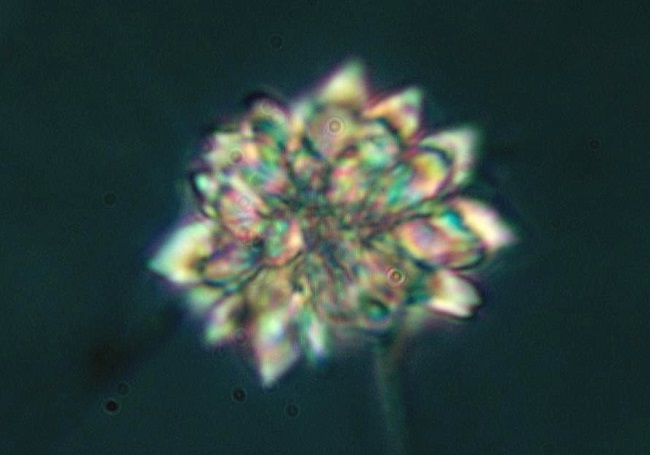
Oxalate Crystal. Image: Facebook, Trying Low Oxalates

What is time? We don’t really have a solid answer at the moment, but it is a rich area of interest and research. Some physics equations that we use to describe the universe work best if we leave time out. But, intuitively—especially since we experience time on a daily basis—leaving it out of the equation does not feel quite right.

What if it is not that time is being left out so much as that it is being compensated for? When time speeds up—light slows down. When time slows down—light speeds up. When time is too fast or too slow, light has to be too slow or too fast, respectively. When light is too slow or too fast, it is not able to appear as itself. Instead of light qua light—light as light—it will appear as … oxalate crystal?

When the Cycle Spins Backwards

Thiamine has been studied extensively by Drs. Derrick Lonsdale and Chandler Marrs, whose book, Thiamine Deficiency Disease, Dysautonomia, and High Calorie Malnutrition, explores how thiamine deficiency alters the functioning of the brainstem and autonomic nervous system by way of metabolic changes at the level of the mitochondria.

I suffered from fatigue, gastrointestinal dysfunction, joint pain, and cognitive loss. The first time I tried high-dose thiamine (vitamin B1), I had a profound recovery. My body tightened, my pain vanished, and I felt clear-headed, strong, and happy.

But, after a few weeks, I hit a wall. Thiamine lost its potency, and I stopped.

A few months later, when I tried high-dose thiamine again, I experienced something odd: a slow-motion grinding in my gut that took my breath away. For lack of a better phrase, it felt as if time were slowing down for me.

Thiamine powers the Krebs (energy) cycle. When I took it the second time around, it felt as if I had eclipsed some limit, and was powering Krebs in reverse. Instead of using my energy cycle to make energy, I was using it to make matter.

The Speed of Reality

What is the nature of reality? I was raised Catholic, and continue to love my Catholic faith. I’m inclined to respect the old sayings, such as we are the light of the world. I respect the old ideas—while also probing and questioning them.

The holographic principle was first proposed by Nobel laureate Gerard ‘t Hooft in the 1990s. In 2017, a UK, Canadian, and Italian study provided substantial evidence that the universe is, indeed, holographic. But what would that mean? I know myself—and the world—as matter, not light.

What if light functions like a plasma? A plasma is something that possesses a dual character, such as a gel. In some ways, gels behave like a liquid; in other ways, like a solid. We see a similar indeterminate quality in stem cells. A plasma’s relationship with time is that of an open gate: not limited to one direction. Neither chicken nor egg, it is a kind of chickenegg.

Perhaps light functions similarly. It can display characteristics of matter, or characteristics of energy. When time (the background fabric) is slow, light can acquire speed, like matter. When time (the background fabric) is fast, light can acquire density, like energy. At the speed of light, the perception of the background fabric flips, from “slow,” to “fast.”

[O]ur observable universe is at the threshold of expanding faster than the speed of light.  ―physicist Lawrence M. Krauss

Er, “background fabric,” you say? What in the name of Michelson-Morley is that? We treat the background against which our observations are made as a vacuum—zero.

That is right. We do. I am suggesting that we may be mistaken. I am suggesting that the background here—the Cosmic Microwave Background or CMB—is not a vacuum, but matter and energy, trading places.

And that matter and energy, trading places, is light.

Like Eugene Wigner, who famously noted the unreasonable effectiveness of mathematics in describing the natural world in 1960, I am fascinated by suspiciously ubiquitous symmetry. Moon’s size: 27.27% of earth’s size. Moon’s orbital period: 27.27 days. The sun is 400 times larger than the moon—and also 400 times farther away. Hmm. Kind of makes you scratch your head a little, doesn’t it?

The black hole at the center of our galaxy, Sagittarius A*, has the largest angular size in the sky, followed by M87. M87’s black hole is 1000 times bigger, but roughly 1000 times farther away. —Feryal Özel, Harvard University Black Hole Initiative

In the spirit of Plato and René Descartes in the old age, and Nick Bostrom and Donald Hoffman in the new one, this essay asks a fundamental question: Is what we perceive an image that’s being rendered? Perhaps reality is not static, like a painting; but it has speed, like a movie.

Does it have a “correct” speed? Yes and no. It has a correct speed, but the correct speed can be achieved in different ways. It can be achieved via (for example) the color green—or via yellow + blue.

We have assumed that time is like a river whose speed we are strapped to. What if it is more like a current in which we can swim backward or forward—or tread in place? Altering the pH of my brain (e.g. with a micro dose of “acid,” LSD) seems to affect how long I am able to remain in each discrete moment of time. The more acidic, the longer—up to a point.

In other words, if we think of time as being comprised of discrete units—the way an image is pixelated, the way a movie is comprised of frames—my speed need not match time’s speed, but if it veers too far afield, I can run into problems.

Homeostasis Against the Speed of Time

I am like a glass of water, pH7. I maintain homeostasis—balance. When I perceive a background force that is expanding (high manganese?), I contract, becoming more salty. But would we perceive too much salt in the glass if the fabric against which the glass was rendered were expanding?

When I perceive a background force that’s contracting (high iron?), I expand, becoming less salty. But would we perceive too little salt in the glass if the fabric against which the glass was rendered were condensing?

Here is how time seems to operate, in me.

To one side of the baseline, time is slower (dopamine). To the other side, time is faster (serotonin).

I can slow time down, using dopamine, up to a point. But if I start to have too much dopamine, I will compensate, by hyper-methylating.

I can speed time up, using serotonin, up to a point. But if I start to have too much serotonin, I will compensate, by hypo-methylating.

This creates problems with perception. For one thing, the feeling of hypo-methylating can mimic the feeling of dopamine. Is time slow—or am *I* slow? Similarly, the feeling of hyper-methylating can mimic the feeling of serotonin. Is time fast—or am *I* fast?

What if, in Parkinson’s disease, my metronome needle is stuck all the way to the time’s left (Alpha-shifted)? I am both dopamine-toxic—and hyper-methylating.

What if, in Amyotrophic lateral sclerosis (ALS), my metronome needle is stuck all the way to time’s right (Omega-shifted)? I am both serotonin-toxic—and hypo-methylating.

In both instances, I am trapped. If I am too fast (hyper-methylating), how can I slow down if the background is too slow? But if I am too fast, the background will look too slow. If I am too slow (hypo-methylating), how can I speed up if the background is too fast? But if I’m too slow, the background will look too fast.

With two parallel trains, it is difficult to judge speed in a meaningful way. Am I slow—or is the train beside me accelerating? Am I fast—or is the train beside me decelerating?

Of Tumors and Time

I am interested in looking at the cosmos as a whole, where what we perceive (a tumor, a planet) is not fundamentally separate from its environment. This is not balls of matter in a sea of air. It is light within a speed-of-light boundary (black hole?) that is both achieving the speed of light (“sun”) and precipitating out of solution (“moon”) simultaneously. The speed of light is the 2D tipping point about which time changes directions, from acceleration to deceleration.
The perception of the speed-of-light “speed limit” depends upon an observer, and varies.

The speed of light can function like a lens. When the image becomes too dense, to one side of the lens, it becomes too expanded, on the other.

With cancer, I am deranged on both sides of time—both sides of the speed of light lens. To one side, I am too salty, too bitter. To the other, I am not salty enough. Instead of the flower, I become the fruit and the seed.

Like the speed of time, the speed of light is not necessarily a simple number (“green”); it can be a compound number (“blue + yellow”). Light has a “net” speed that I am helping to create with my own speed.

Those brown sun-spots on my shoulder? It may look as if their metronome is keeping pace with the rest of me, but what if it’s a trick of the eye? I suspect they are both denser and wider than time. They require both more magnetism (iron)—and more electricity (copper). They present as “green.” But could they be “blue and yellow, superimposed,” behind the scenes?

Once my lens curves too little or too much, I am no longer “flat” (relatively speaking); I start to have more depth than my environment. Instead of space, I start to acquire time—a new axis that is perpendicular to space the way a quasar is perpendicular to a galaxy.

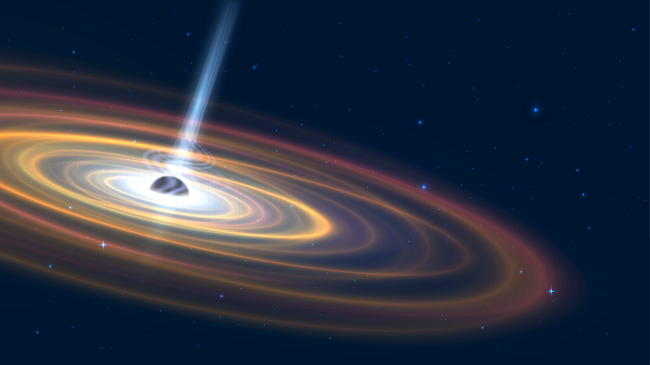
Quasar: Shutterstock.

What if, when I insert a new lens—a fresh perspective, “new light,” a stem cell—into an old environment, I run the risk of re-setting the metronome, and creating a new definition of so-called flatness—speed zero? Perhaps new light creates a new 2D plane from which light can expand and condense (energy)—or condense and expand (matter). It creates a “fresh green,” if you will, from which can be derived “fresh blue” and “fresh yellow.” New light is capable of operating at a different time signature—a different scale.

What does the basal cell carcinoma on my shoulder look like? A sinkpit. A small vortex. An actual indentation, like a tiny tornado. You can almost see light spinning so fast that it’s spinning backward—imploding, precipitating out of solution (rocky planets). If I use radiation or hypo-methylating agents to slow time down, I might swing too far to the other side, where light is spinning so slowly, it burns up (gas giants). Ideally, I want to be in the middle. I don’t want my metronome to be eclipsing the speed of light, to the right of time, and dipping beneath the speed of light, to the left of time, faster than the rest of my body, the rest of the universe. I want to be oscillating at the speed of light, along with the rest of the rendered world.

The Speed of Light Squared

Perhaps, in a holographic universe, the speed limit for a single universe is not the speed of light, but the speed of light squared. When we reach the speed of light squared, a new observer is created.

In this video clip, called “Microscope Imaging Station Cancer Cells behaving badly,” I believe we are witnessing cancer cells as they achieve the speed of light squared (“round up”) and become refractile. When we “round up,” we make duplicate copies of the same information (e.g. DNA). When we round up by a factor of two during embryogenesis, we produce twins. When we round up by a factor of three, we produce triplets.

We don’t create the new inside a vacuum. We make the new inside—or outside—the old.

I am interested in physicist Nikodem Poplawski’s theory that our universe is the interior of a black hole inside another universe. In fact, I wonder if we could be inside a black hole inside a black hole inside a black hole—etc.—where “black hole” is the 2D boundary known as the speed of light. Moving outward from brane to brane, scale increases. Moving inward from brane to brane, scale decreases.
A holographic universe is one in which light can serve as background or foreground, canvas or painting—or canvas and painting. As lovely as this is—are we the light of the world, for reals?—it presents difficulties with perception. How can I know what type of light I am seeing? Is what I perceive light itself, the genuine article—or light playing the role of light? Or light playing the role of light playing the role of light playing the role of light?

How many iterations of light are in an E8 crystal?

Is the speed of light functioning as a boundary we can’t see beyond? And—perhaps more importantly—is there a degree of remove above or below which light is no longer light but something else entirely—matter or energy?

The Imprecision of Time

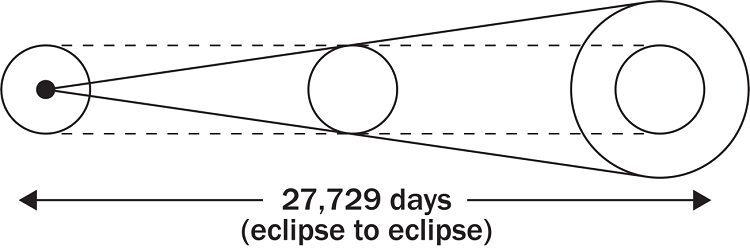
We don’t seem to have a solid grip on time. We need leap years—even leap seconds—to make our calendars work. But there is a “cosmological constant” when it comes to time. Was there a total solar eclipse on a certain date? Add or subtract 27,729 days, and see if there was also a total solar eclipse on that date (spoiler alert: there was).

eclipse to eclipse

27,729 days is ~76 years, about the length of a human life. It’s also roughly 70 times 360 plus 7 times 360 days. Could it be the number of days between branes of time—the distance above or below which light undergoes a state change?

I don’t know. But here’s something interesting. The Tunguska Event took place on June 30, 1908. The largest explosion the world has ever seen, it flattened 80 million trees. No one knows what caused it. But if you add 27,729 days to the date of Tunguska, you get another date—May 31, 1984. What happened on this date?: US performs nuclear test at Nevada Test Site.

Are we living inside a singularity? Beats me; I’m a short story writer. I barely understand what a singularity is. But I do know this. I was sixteen years old in 1986. When I was a teenager, I used to love Mary Chapin Carpenter, especially a song called When Halley Came to Jackson.

“It came from the east just as bright as a torch

She saw it in the sky from her daddy’s porch

As heavenly sent as it was back then”

Funny. Halley’s Comet “comes around” every ~76 years, almost like a nuclear reaction slicing backward through the branes of time. Almost like … Chernobyl.

Haley's Comet
On the Left: Haley’s Comet 1910, image Wikimedia Commons. On the right, Haley’s Comet 1986, image by Bob King.

What if, because of the act of rendering, light can exhibit characteristics of paradox? When it eclipses the speed of light, precipitating out of solution, it’s “too cold because it’s too fast.” When it dips beneath the speed of light, burning up, it’s “too hot because it’s too slow.”

Might this type of paradox—of metabolic cul-de-sac—have bearing on human illness? If I’m “too cold because I’m too fast,” how can I slow down? I’m already too cold! If I’m “too hot because I’m too slow,” how can I speed up? I’m already too hot! Time is a veil, and I am trapped to one side.

In these models, matter, light, and energy exist on a continuum. A spectrum. Matter or energy may behave as light, in locus light, as long as allowances are made. When light is denser than light (i.e. energy), it’s too hot, but it’s able to be too hot if time is too slow (Autism?). When light is faster than light (i.e. matter), it’s too cold, but it’s able to be too cold if time is too fast (ME/CFS, Chronic Fatigue Syndrome?).

So what’s the answer? I don’t know. I’m sorry; I wish I did. I’m better at asking questions than answering them. My hope is that others who understand biology, chemistry, and physics far better than I will join the conversation, and help us to decode our illnesses.

But I do know this. When I was at my sickest, my pineal gland and my eyes did not seem to be in agreement about the character of light they were observing. Was it going fast, like matter that has speed, in a 3D image where there’s foreground and background (blue + yellow)? Or was it innately fast (green), a 2D “mono” image, where the subject itself is high-energy? The pineal gland, a tiny crystal at the center of the brain, was dubbed “the seat of the soul” by René Descartes. It sets the circadian rhythm, communicates with the HPA axis, and is the font of the neuroendocrine cascade. If hormones matter, the pineal gland matters.

The lack of an objective, outside observer is a serious constraint. How can I gauge time if the instrument I am reading time with is part of time? I have to both read time (pH) and move around in it (core metabolic rate) using the same instrument: my brain.

A Metabolic Straitjacket

After my chronic fatigue had persisted for a while, I began to realize I was wearing a metabolic straitjacket. Whatever I ate or drank was not merely providing nutrients for my body; it was providing information for my brain. This “double duty” was a huge handicap. Sodium gave me the power to increase my metabolic rate—but not the permission. Potassium gave me the permission to increase my metabolic rate—but not the power. When I would attempt a metabolic increase in spite of an acidic terrain, I would get gout-like pain. This happened a month or two before my cancer.

My basal cell carcinoma is analogous to a local high-pressure system. A planet forming in the sea of me. The cells in my shoulder are “hoarding” my time, if you will. They are stealing my electricity and my magnetism—my copper and my iron. They’ll hoard my electrolytes, too. What can I do, other than try to have them removed? If I use vasodilating agents, like raw garlic extract or niacinamide, unless I inject them, my brain reads them and responds to them, too. It does not fix the asynchrony. If I use radiation or hypo-methylating agents, to slow down time, that might work for a while, but there is a tipping point—the speed of light—above which, to slow down is actually to speed up, and these cells reach that threshold sooner than the rest of me.

It’s not that they can’t dance. They’re just dancing to a different beat.

The best thing I ever did for my health was to eliminate all glyphosate, i.e. switch to a 100% organic diet. Glyphosate (“Roundup”) was giving my brain false information about light and time. Cosmetics, underwear, mattress, etc. I will not even chew a stick of gum if it isn’t organic. Nothing makes me sicker quicker than chemical fragrance in products such as Glade plug-ins, Bounce, Downy, Tide, etc. I use organic products that treat the universe as one coherent network, a communicating whole—a garden. Because it is.

Many Worlds

I am a fan of physicist Sean Carroll and his defense of the Many Worlds interpretation of quantum mechanics, first proposed by Hugh Everett in 1957. According to Many Worlds, the universe continually splits into new branches, to produce multiple versions of ourselves. Carroll thinks that, so far, Many Worlds is the simplest possible explanation of quantum mechanics.

Many Worlds may seem exotic at first, but it possesses a simple power, especially if we treat the speed of light as a lens. When viewed from beneath the speed of light lens, light will appear to be branching into many worlds. When viewed from above the speed of light lens, light will appear to be condensing into one. At the speed of light, light is light.

If my brain misunderstands the degree of curvature of the speed of light lens, and the way the speeds of light and time titrate, it can become metabolically trapped. In Chronic Fatigue Syndrome, I may be trapped above the speed of light. Many worlds are branching faster than I am able to move through them. In Autism, I may be trapped beneath the speed of light. Many worlds are condensing faster than I am able to move through them. In Autism, it is as if I am trapped in the future. In Chronic Fatigue Syndrome, it is as if I am trapped in the past.

Endnote: Before he met my mother, my father was engaged to a brilliant woman named Frances Marshall Watkins. Fran was diagnosed with Amyotrophic Lateral Sclerosis (ALS), and died before they could wed. I would like to dedicate this essay to her. Had she not died, I would never have lived.

We Need Your Help

More people than ever are reading Hormones Matter, a testament to the need for independent voices in health and medicine. We are not funded and accept limited advertising. Unlike many health sites, we don’t force you to purchase a subscription. We believe health information should be open to all. If you read Hormones Matter, like it, please help support it. Contribute now.

Yes, I would like to support Hormones Matter. 

Photo by Daniele Levis Pelusi on Unsplash.

What Is Thiamine to Energy Metabolism?

23.5K views

What Is Energy?

Energy is an invisible force. The aggregate of energy in any physical system is a constant quantity, transformable in countless ways but never increased or diminished. In the human body, chemical energy is produced by the combination of oxygen with glucose. This reaction is known as oxidation. The chemical energy is transduced to electrical energy in the process of energy conservation. This might be thought of as the “engine” of the brain/body cells. We have to start thinking that it is electrical energy that drives the human body.

The production of chemical energy is exactly the same in principle as the burning of any fuel but the details are quite different. The energy is captured and stored in an electronic form as a substance known as adenosine triphosphate (ATP) that acts as an energy currency. The chemical changes in food substances are induced by a series of enzymes, each of which combine together to form a chain of chemical reactions that might be thought of as preparing food for its ultimate breakdown and oxidation.

Each of these enzymes requires a chemical “friend”, known as a cofactor. One of the most important enzymes, the one that actually enables the oxidation of glucose, requires thiamine and magnesium as its cofactors. Chemical energy cannot be produced without thiamine and magnesium, although it also requires other “colleagues”, since all vitamins are essential. A whole series of essential minerals are also necessary, so it is not too difficult to understand that all these ingredients must be obtained by nutrition. The body cannot make vitamins or essential minerals. There is also some evidence that thiamine may have a part to play in converting chemical energy to electrical energy. Thus, it may be the ultimate defining factor in the energy that drives function. If that is true, its deficiency would play a vital role in every disease.

Energy Consumption

Few people are aware that our lives depend on energy production and its efficient consumption. A car has to have an engine that produces the energy. This is passed through a transmission that enables the car to function. In a similar manner, we have discussed how energy is produced. It is consumed in a series of energy requiring chemical reactions, each of which requires an enzyme with its appropriate cofactor[s]. This series of reactions can be likened to a transmission, consuming the energy provided from ATP and enabling the human body to function. If energy is consumed faster than it can be synthesized, or energy cannot be produced fast enough to meet demand, it is not too difficult to see that an insufficient supply of energy, a gap between supply and demand, would produce a fundamental change in function. This lack of function in the brain and body organs presents as a disease. The symptoms are merely warning the affected individual that something is wrong. The underlying cause of the energy deficiency has to be ascertained in order to interpret how the symptoms are generated.

Why Focus On Thiamine?

We have already pointed out that thiamine does not work on its own. It operates in what might be regarded as a “team relationship”. But it has also been determined as the defining cause of beriberi, a disease that has affected millions for thousands of years. Any team made up of humans requires a captain and although this is not a perfect analogy, we can regard thiamine as “captain” of an energy producing team. This is mainly due to its necessity for oxidation of glucose, by far and away the most important fuel for the brain, nervous system and heart. Thus, although beriberi is regarded as a disease of those organs, it can affect every cell in the body and the distribution of deficiency within that body can affect the presentation of the symptoms.

Thiamine exists only in naturally occurring foods and it is now easy to see that its deficiency, arising from an inadequate ingestion of those foods, results in slowing of energy production. Because the brain, nervous system and heart are the most energy requiring tissues in the body, beriberi produces a huge number of problems primarily affecting those organs. These changes in function generate what we call symptoms. Lack of energy affects the “transmission”, giving rise to symptoms arising from functional changes in the organs thus subserved. However, it must be pointed out that an enzyme/cofactor abnormality in the “transmission” can also interrupt normal function.

In fact, because of inefficient energy production, the symptoms caused by thiamine deficiency occur in so many human diseases that it can be regarded as the great imitator of all human disease. We now know that nutritional inadequacy is not the only way to develop beriberi. Genetic changes in the ability of thiamine to combine with its enzyme, or changes in the enzyme itself, produce the same symptoms as nutritional inadequacy. It has greatly enlarged our perspective towards the causes of human disease. Thiamine has a role in the processing of protein, fat and carbohydrate, the essential ingredients of food.

Generation Of Symptoms

Here is the diagnostic problem. The earliest effects of thiamine deficiency are felt in the hindbrain that controls the automatic brain/body signaling mechanism known as the autonomic nervous system (ANS). The ANS also signals the glands in the endocrine system, each of which is able to release a cellular messenger. A hormone may not be produced in the gland because of energy failure, thus breaking down the essential governance of the body by the brain. Hypoxia (lack of oxygen) or pseudo-hypoxia (thiamine deficiency produces cellular changes like those from hypoxia) is a potentially dangerous situation affecting the brain and a fight-or-flight reflex may be generated. This, as most people know, is a protective reflex that prepares us for either killing the enemy or fleeing and it can be initiated by any form of perceived danger. Thus, thiamine deficiency may initiate this reflex repeatedly in someone that seeks medical advice for it. Not recognizing its underlying cause, it is diagnosed as “panic attacks”. Panic attacks are usually treated by psychologists and psychiatrists with some form of tranquilizer because of the anxiety expressed by the patient.

It is easy to understand how it is seen as psychological, although the sensation of anxiety is initiated in the brain as part of the fight-or-flight reflex and will disappear with thiamine restoration. It may be worse than that: because the heart is affected by the autonomic nervous system, there may be a complaint of heart palpitations in association with the panic attacks and the heart might be considered the seat of the disease, to be treated by a cardiologist. The defining signal from the ANS is ignored or not recognized. Because it is purely a functional change, the routine laboratory tests are normal and the symptoms are therefore considered to be psychological, or psychosomatic. The irony is that when the physician tells the patient “it is all in your head”, he is completely correct but not recognizing that it is a biochemical functional change and that it has nothing to do with Freudian psychology.

A Sense Of Pleasure

We have known for many years that dietary sugar precipitates thiamine deficiency. A friend of mine had become well aware that alcohol, in any form, or sugar, will automatically give him a migraine headache. He still will take ice cream and suffer the consequences. I have had patients tell me that they have given up this and that “but I can’t give up sugar: it is the only pleasure that I ever get”. They still came back to me to treat the symptoms. We have come to understand that we have no self-responsibility for our own health. If we get sick, it is just bad luck and the wonders of modern medicine can achieve a cure. The trouble is that a mild degree of thiamine deficiency might produce symptoms that will make it more difficult to make the necessary decisions for our own well-being. Let me give some examples of symptoms that are typically related to this and are not being recognized:

  • Occasional headache, heartburn or abdominal pain
  • Occasional diarrhea or constipation
  • Allergies
  • Fatigue
  • Emotional lability
  • Insomnia
  • Nightmares
  • Pins and needles
  • Hair loss
  • Palpitations of the heart
  • Persistent cough for no apparent reason
  • Voracious, or loss of appetite

The point is that thiamine governs the energy synthesis that is essential to our total function and it can affect virtually any group of cells in the body. However, the brain, heart and nervous system, particularly the autonomic (automatic) nervous system (ANS) are the most energy requiring organs and are likely to be most affected.

Since the brain sends signals to every organ in the body via the ANS, a distortion of the signaling mechanism can make it appear that the organ receiving the signal is at fault. For example, the heart may accelerate because of a signal from the brain, not because the heart itself is at fault. Hence heart palpitations are often treated as heart disease when a mild degree of thiamine deficiency in the brain is responsible.

We have known for many years that sugar in all its different forms can and will precipitate mild thiamine deficiency. It is probably the reason why sugar is considered to be a frequent cause of trouble. If thiamine deficiency is mild, any form of minor stress may precipitate a much more serious form of the deficiency. An attack by an infecting organism is a source of stress imposed on the affected person and requires a boost of energy consumption. Therefore the illness that follows can be regarded as a “war” between the attacking disease producing organism and the brain/body that has to mobilize a defense. Either death, recovery, or a “stalemate” might be the expected outcome. If this is the truth, then any disease will respond to the ingestion of nutrients, particularly thiamine. It strongly suggests that Holistic or Alternative medicine could add a huge benefit to health preservation or the treatment of disease.

We Need Your Help

More people than ever are reading Hormones Matter, a testament to the need for independent voices in health and medicine. We are not funded and accept limited advertising. Unlike many health sites, we don’t force you to purchase a subscription. We believe health information should be open to all. If you read Hormones Matter, like it, please help support it. Contribute now.

Yes, I would like to support Hormones Matter.

Image by PDPics from Pixabay.

This article was published originally on August 25, 2020.

1 7 8 9 10 11 13