thiamine deficiency - Page 7

Thiamine Deficiency in Modern Medical Practice

10.3K views

Modern medical practices are plagued with patients who present with chronic, complex, and seemingly treatment resistant illness; illnesses that defy most laboratory testing and abound current diagnostic categories. Some data suggest that 25-75% of symptoms experienced by these patients fall under the umbrella of ‘medically unexplained symptoms’.

What if some of those symptoms were not only explainable but treatable and the expression of these illnesses manifested not from some complicated new disease but from a simple but forgotten nutrient deficiency? What if this nutrient was uniquely critical to mitochondrial competence such that its insufficiency would derail energetic capacity, affect cellular function broadly and diversely, and produce many of the symptoms currently ascribed as medically unexplained? Wouldn’t this be worthy of investigation in your patient population?

That nutrient is thiamine or vitamin B1 and it is essential to mitochondrial energetics – the conversion of food into adenosine triphosphate (ATP). This process is the backbone of all health, and absent sufficient thiamine, it grinds to a halt producing many of the diseases processes vexing modern medicine.

Thiamine is a critical and rate-limiting cofactor to five key enzymes involved in this process, including those at the entry points for the glucose, fatty acid, and amino acid pathways. It has a very short half-life (1-12 hours), limited storage capacity, and is susceptible to depletion and degradation by a number of products that epitomize modern life.

When thiamine is insufficient to overcome these variables, oxidative metabolism falters and the ability to generate molecular energy declines. Over time, aerobic respiration turns anaerobic, oxidative stress increases, and cellular, tissue, and organ function dependent upon steady state energetics deteriorates.

Anaerobic glycolysis, the telltale sign of everything from general metabolic dysfunction to cancer, is, at its root, an adaptive response to insufficient micronutrients like thiamine. Replenish thiamine, recover mitochondrial capacity, and aerobic metabolism and health improve.

Critically Ill Versus Walking Sick: Gradations of Insufficient Thiamine

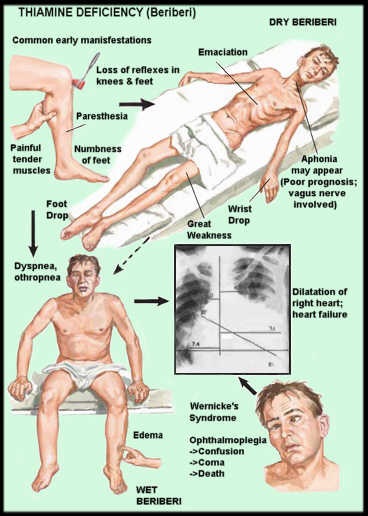
Conventionally, thiamine deficiency syndromes have been described relative to overt, and often later stage illness in the hospital setting. The most common designations include: Wernicke’s encephalopathy marked by nystagmus, ataxia, and cognitive deficits; wet beriberi or high output cardiac failure with edema and dry beriberi, central and peripheral nervous system and cardiovascular disturbances without edema. More recently, sensorimotor polyneuropathy or neuritic beriberi, gastrointestinal dysmotility syndromes, and the dysautonomias have been included in the spectrum, but recognition is lagging.

These designations give the false illusion of a disease process that happens acutely and one that can be categorized by the afflicted organ system. Neither is accurate. While overt thiamine deficiency is certainly a medical emergency and may sometimes develop acutely, the vast majority of cases represent a culmination of years, if not decades, of insufficient thiamine intake relative to need. Until fulminant, these disease processes are marked by low mortality, but high, chronic, and polysymptomatic morbidity. This suggests ample opportunity to treat and prevent more serious illness, improve the patient’s quality of life, and possibly even regain health. Even in overt and emergent cases, where symptomology is obvious, resolution is possible with thiamine repletion.

Thiamine Depleting Factors

Thiamine deficiency is most commonly associated with food insecurity and chronic alcoholism; a narrow view that risks missing early signals of accruing disease across patient populations. Contributors to this deficiency are far more prevalent in first world countries with westernized food production than is recognized. Among the key dietary contributors to insufficient thiamine:

  • Alcohol
  • Tobacco
  • High carbohydrate, highly processed foods
  • Coffee, tea, energy drinks

Additionally, the regular use of common medications and/or exposures to environmental chemicals independently and synergistically provoke thiamine deficiency. Every medication and environmental chemical depletes thiamine directly or indirectly by a number of mechanisms including blocking thiamine uptake, increasing its degradation, preventing synthesis in gut microbiota, increasing excretion and/or by inducing mitochondrial damage by other means that then necessitates a higher thiamine intake to compensate. Some of the most commonly used medications are the biggest offenders:

Sadly, poor dietary habits trigger thiamine insufficiency independently, leading to the prescription of many of these medications, which then further derail thiamine status and mitochondrial capacity. It is an illness spiral that can only be resolved by addressing diet and mitochondrial nutrients like thiamine.

Genetic Contributors to Thiamine Deficiency

While thiamine deficiency diseases are predominantly attributable to diet and lifestyle variables, a number of common genetic polymorphisms in the solute carriers responsible for thiamine uptake, and in enzyme activity involved in thiamine metabolism, increase the demand for thiamine intake. In these cases, disease expression, particularly later in life, represents a latent genetic vulnerability triggered by environmental or lifestyle stressors. Many medication and vaccine reactions fall into this category.

Prevalence Across Patient Groups

Inasmuch as thiamine status is not regularly evaluated in clinical care, it is difficult to know how pervasive thiamine deficiency is within the general population. Moreover, there are no universally accepted cutoffs demarking the progression from suboptimal to frank deficiency. Of the data that do exist, it is likely far more common than recognized across a broad swathe of patient populations.

Strikingly, diabetes confers one of the largest risks for thiamine deficiency across patient populations. This is largely do to metabolic derangements (to be discussed in a subsequent post) initiated by the hyperglycemia. These include the increased excretion of thiamine, and interestingly, the endogenous production of the anti-thiamine molecule oxythiamine.

Thiamine Testing

Laboratory assessment of thiamine status varies in sensitivity and specificity, with some tests carrying a high false negative rate (standard serum and plasma), particularly when thiamine status is marginal and with recent intake of thiamine. The two most sensitive tests are whole blood HPLC and the erythrocyte transketolase activity/thiamine pyrophosphate effect combination, neither of which is readily available. Urinary organic acid tests, while indirect, may provide useful patterns for determining the need for thiamine and other mitochondrial nutrients.

How To Recognize Thiamine Insufficiency

In light of the difficulties associated with laboratory testing, clinical acumen is required. Given its role in energy metabolism, lack of energy, in multiple manifestations, is a cardinal indicator of insufficiency.

  • Chronic fatigue, muscle weakness, or pain
  • Hypersomnia or anorexia
  • Dysautonomic reactions – exaggerated, ill-timed, or inadequate autonomic responses to stressors, most notably in the brain, heart and/or GI system

Office observations to support thiamine insufficiency:

  • Subtle changes in gait, stability, muscle tone, speech, decrements cognitive or affective acuity or stability
  • Asymmetrical pulse pressure, postural hyper- or hypotension, general tachycardia (early stage), bradycardia (later stage)

Standard labs pointing to problems with energy metabolism:

How to Treat

While clinical practice guidelines exist for overt thiamine deficiency in hospital, which include the use of IV thiamine and additional nutrients at a range of doses dependent upon severity, there are no established guidelines for out-patient thiamine deficiency or insufficiency syndromes. This is partly due to its lack of recognition and partly due to the fact that individual need for thiamine, other mitochondrial co-factors, and response to repletion, varies considerably.

There are no known toxicities to high doses, however, there can be negative reactions in the initial phases of thiamine repletion for a subset of patients. These reactions can occur at any dose. In some cases, the reaction involves the specific formulation of thiamine. In other cases, electrolyte disturbances and/or other micronutrient deficiencies unmasked by thiamine are at fault. To mitigate these reactions, thiamine should always be given with magnesium (~50% of the population consumes less than the RDA and magnesium is required to activate thiamine), a clean, lower dose multi-vitamin and a potassium rich diet. It should be noted that additional calcium may also be needed (here, here), especially when dietary calcium has been low for an extended period. Hypophosphatemia may develop as well in patients with recent or extended GI illnesses and/or have a history of low protein consumption and sodium disturbances are also common.

Consider Thiamine

Thiamine is a safe, non-toxic, essential nutrient that has become increasingly difficult to maintain in the face of modern dietary practices and chemical exposures. Thiamine sufficiency is fundamental to energy metabolism, mitochondrial capacity, and thus, health. Consider thiamine in your practice.

We Need Your Help

More people than ever are reading Hormones Matter, a testament to the need for independent voices in health and medicine. We are not funded and accept limited advertising. Unlike many health sites, we don’t force you to purchase a subscription. We believe health information should be open to all. If you read Hormones Matter, like it, please help support it. Contribute now.

Yes, I would like to support Hormones Matter. 

Eosinophilic Esophagitis May Be a Sugar Sensitive Disease

64K views

In 2011 a mother called me and asked whether I would be able to help her 14-year old son who had been diagnosed with eosinophilic esophagitis. Because this disease had only been recognized in the past two decades I had to confess that I had never heard of it. Because I used only nutrients in therapy, I confessed my ignorance but that I was willing to have a shot at it. Obviously, the first thing that I did was to see what had been written about this newly recognized condition.

Eosinophilic Esophagitis: Inflammation of the Esophagus

The part of the gastrointestinal tract that is most commonly affected by this inflammatory infiltration is the esophagus (esophagitis), although it has been recorded in other parts of the intestine when it is known as eosinophilic enteritis. Eosinophils are specialized white cells that have a role in inflammation. They have this particular name because they stain with a dye called eosin (the postfix phil is derived from the Latin word for love) making it easy for a pathologist to recognize their presence in tissues.

Eosinophilic esophagitis (EoE) is now by far the most common form of eosinophilically infiltrated gastrointestinal disease. It represents the most recent form of food allergy, and its control by avoiding offending foods has increasingly appeared as a therapeutic approach. It is often poorly responsive to therapy and there is no commonly accepted long-term treatment. The diagnosis has to be made by endoscopy and it is distinguished from other causes of inflammation by finding eosinophils in the inflammatory area.

A Complex Medical History Misdiagnosed As Psychosomatic

The medical history of this 14-year-old boy had begun in infancy with recurrent ear infections and asthma, entailing many doctor visits. But he also had many confusing symptoms throughout childhood other than the chest pain and swallowing difficulties that might be expected from inflammation of the esophagus. In fact, these symptoms had been thought of as psychosomatic until endoscopy was performed when he was 8 years old and the esophagitis was discovered. From that time on, he had been examined repeatedly and had received conventional treatment without success at several prestigious institutions. He came to my attention 6 years after the diagnosis had been made.

His early history of repeated ear infections and asthma were important because both of these conditions are now known to be related to inefficient oxidative metabolism. Eosinophils are associated with asthma in some cases. The symptoms that had been considered to be psychosomatic included a dramatic response to any physical pain producing stimulus (hyperalgesia), emotional instability, unusual fatigue, headaches, dizziness, panic attacks and increased sensitivity to both sound and light. For example, when I came to the physical examination he would scream when I touched his abdomen and the abdominal muscles would become rigid. Another intriguing symptom was that he coughed in his sleep (an exaggerated cough reflex) without becoming awakened and he also experienced nightmares. He had also been diagnosed by a psychologist with ADHD and OCD. But on physical examination, I also found many intriguing signs that indicated autonomic nervous system dysfunction. The medical history also indicated that he was addicted to sugar, and alcoholism was widespread on both sides of the family, both being related to thiamine metabolism. People who have read some of the posts on this website will be familiar with the association of thiamine deficiency with sugar ingestion and alcohol.

A Family History of Alcoholism and Thiamine Metabolism

Because of this family history of alcoholism, his addiction to sugar, and the known relationship of thiamine deficiency with autonomic dysfunction, I used the blood test known as erythrocyte transketolase and I was not too surprised to find that it was extremely abnormal, proving a severe degree of thiamine deficiency or abnormal thiamine metabolism. He was treated with a series of intravenous infusions of water-soluble vitamins that contained thiamine hydrochloride. Although his symptoms began to improve, the transketolase test became much more abnormal, suggesting that thiamine was not being absorbed into the cells that needed it. Thiamine tetrahydrofurfuryl disulfide (TTFD: Lipothiamine, a derivative of thiamine that is absorbed more easily because it does not require the complex mechanism that is required for the absorption of dietary thiamine) was substituted for the thiamine hydrochloride with the result that the transketolase improved greatly.

Symptoms continued to improve but the most surprising thing that happened was the tremendous growth spurt that occurred throughout a year of treatment. Body weight at the beginning of treatment was 105 pounds, placing him in the 25th percentile. After one year of treatment his weight had increased to 122 pounds (+17#), placing him in the 50th percentile (e.g. male or female members of a school class). His stature increased in the same time period from 64.5 inches to 68.5 inches (+4”), raising it from the 50th to the 75th percentile. Percentiles are used in growth charts to indicate the normal height and weight of an individual as compared with subjects of the same age. For example, the fiftieth percentile would mean that 50% of a given similar group (e.g. a school class) would be taller/heavier and 50% shorter/lighter. For normal height and weight a subject remains in the same percentile throughout growth. A “jump” of this nature is extremely rare. It is unlikely that he would have been considered growth retarded if this dramatic acceleration had not occurred. He would have just been regarded as a “shorty”.

Dysautonomia

As reported in several posts on this website, dysautonomia is used to describe changes in the functional controls of the autonomic (automatic) nervous system. There are two branches to this system known as sympathetic, the action system, and parasympathetic, the “rest and be thankful” system. The first one is activated by any form of stress that includes a mild degree of oxygen lack (hypoxia) in the lower part of the brain or its equivalent from lack of thiamine and known as pseudohypoxia. There is also a genetically determined disease known as Familial Dysautonomia (FD) in which growth retardation is a constant feature. Although FD is a genetically determined disease, it is the resulting dysautonomia that causes growth failure. This suggests that the long-standing dysautonomia in this patient, due to energy inefficiency in brain cells caused by the pseudohypoxia of thiamine deficiency, was responsible for growth failure. Restoration of thiamine concentrations caused improvement in energy metabolism that enabled the growth spurt to take place.

Conclusion: Inflammation Is a Defensive Response

Inflammation is really a defensive response made by the body to some form of attack. In the case of this disease it appears that certain foods act as the attacking agent, hence the term food allergy. The inflammatory reaction is kept under very careful control by the brain acting through a nerve that runs the entire length of the intestinal tract. If this nerve fails in its suppressive action, the inflammation gets out of control. For the normal function of this nerve thiamine is a necessity. But thiamine deficiency, because it results in pseudohypoxia, also activates the sympathetic branch of the autonomic system and was responsible for the many symptoms that had been previously described as psychosomatic. It is very likely that the huge ingestion of sugar in the United States is responsible for thiamine deficiency that results in manifestations of disease that vary in their presentation according to the particular cells affected by the deficiency. Because of the family history I strongly suspect that there was a genetic relationship that created this boy’s sensitivity to foods, particularly sugar, making thiamine deficiency much more likely. It is of course possible that this is but one cause of eosinophilic esophagitis/enteritis. It suggests however that some form of pseudohypoxia (other than thiamine deficiency) is the root cause of the disease and that the inflammatory response gets out of control because of autonomic dysfunction. This case is now “in press”.

Lonsdale D. Is Esosinophilic Esophagitis a Sugar Sensitive Disease? J Gastric Disord Ther 2016;2(1):doihttp://cbcdoi.org/10.16966/2381-8689.114.

We Need Your Help

More people than ever are reading Hormones Matter, a testament to the need for independent voices in health and medicine. We are not funded and accept limited advertising. Unlike many health sites, we don’t force you to purchase a subscription. We believe health information should be open to all. If you read Hormones Matter, like it, please help support it. Contribute now.

Yes, I would like to support Hormones Matter. 

Photo by Myriam Zilles on Unsplash.

This article was published originally on February 8, 2016.

Diet Induced Pseudo-Hypoxia and Hypertension

13K views

Although hypertension has become almost exclusively used to indicate high blood pressure, it is worth examining the true underlying meaning. The prefix “hyper” is from the Greek, meaning over or above. Tension is defined as “the state of being stretched tight”. Perhaps then it is worth looking at how this applies to blood pressure.

When a blood pressure is measured, there are always two figures represented. The higher number is known as “systolic” and the lower one as “diastolic”. The systolic is when the heart is contracting and indicates the ability of the arterial system to expand enough to accommodate the pressure from an increased volume of blood. The diastolic indicates the pressure in the arterial system when the heart is resting between beats. We are therefore looking at the highest and lowest pressures in a closed tube system that must be capable of expanding and contracting.

Since the system is made from live cells, it does not behave like a rubber tube with elastic recoil. The arteries where blood pressure is measured are lined with muscles. It is the contraction and relaxation of these muscles that control the capacity of the artery to accommodate the amount of blood arriving from the heart. The muscles are controlled by nerves carrying messages from the brain. These muscles are completely different from those that are activated willingly, such as those in the limbs. They are contracted and relaxed automatically by a part of the brain that acts more like a computer. The body muscles are activated by a nervous system known as “voluntary”. The arterial muscles are activated by a completely separate an involuntary nervous system known as autonomic (ANS). We therefore have to examine the control mechanisms.

Understanding the Autonomic Nervous System

I have discussed this nervous system many times in Hormones Matter because, when it goes wrong, it is a potent source of disease. The nerves of this system go to every organ within the body. The control system is in the lower part of the brain. It consists of two channels. One is known as sympathetic: the other is known as parasympathetic. Although they work together, their actions oppose each other and I will try briefly to outline this dichotomy.

Sympathetic. The sympathetic nervous system is designed for both physical and mental action through a reflex mechanism known as the fight-or-flight. It prepares us to meet an enemy or escape from danger. One of its actions is to raise the blood pressure. It does this by contracting the arterial muscles already described.

Parasympathetic. When the action is completed, the brain controls automatically withdraw the activity of the sympathetic and initiate those of the parasympathetic nervous system. When this happens, the body is prepared for resting.

Chronic Activation of the Sympathetic Nervous System

There is a large amount of evidence in the medical literature that this is the primary cause of chronically high blood pressure. If the system is healthy, the blood pressure will go down on completion of the action. If not, the blood pressure remains elevated. From here, I am going to hypothesize why this happens. Please remember as you read it that it is a hypothesis, not a proven fact.

Hypoxia. This word simply means lack of oxygen. Obviously, this is a dangerous state for the brain and it is not surprising that it will activate the sympathetic component described above, including raising the blood pressure.

Pseudo-hypoxia. The prefix “pseudo”, meaning false, or sham (from the Greek, lying, false) has been used in the medical literature to describe a state that is exactly like that of hypoxia when the presence of oxygen is normal. In order to understand this, focus on the fact that oxygen must be introduced to the body but is completely useless unless it is consumed. Therefore we must try to indicate how oxygen consumption occurs.

Oxidation and burning. All forms of burning are derived from oxygen combining with a fuel, liberating heat energy. That is why we are warm blooded, but other forms of energy are produced to drive physical and mental function. Because the burning is incomplete, ash is formed. Our cells derive their energy by the oxygen, delivered in the blood from the lung, combining with glucose. The “ash” is carbon dioxide and water, discarded in the breath. The oxidation of glucose is governed by a set of enzymes that require the vitamin B complex for their action. The leader of this orchestration appears to be vitamin B1 (thiamine). That is why many papers have appeared in the medical literature that describes thiamine deficiency as a cause of pseudo-hypoxia. Its function is to catalyze the enzymes essential for oxidation. Its deficiency results in lack of sufficient energy. It is therefore not surprising that one of the symptoms of thiamine deficiency is fatigue.

Calorie/thiamine ratio. A healthy diet provides us with calorie producing elements that are broken down to glucose and used as fuel. The amount of thiamine provides a normal calorie/thiamine ratio that enables efficient oxidation. If we load the diet with empty calories (calories without essential non-calorie nutrients that include thiamine) the calorie/thiamine ratio becomes abnormal. Measuring the concentration of thiamine in the blood would be normal for a healthy diet but inadequate to meet the demand of the empty calorie load. The laboratory method for identifying thiamine deficiency is by measuring it in the blood. If the result is reported by the laboratory as normal, the relevant symptoms produced by inadequate oxidation may well be ascribed to causes other than thiamine deficiency.

Hypothesis: High Calorie Malnutrition Induces Chronic Sympathetic Overdrive

I suspect that a common cause of hypertension is high calorie malnutrition, inducing a state of chronic sympathetic overdrive. It may be why obesity in children often foretells their rise in blood pressure. Perhaps another cause is the gradual diminution of oxidation associated with aging. There are genetic mechanisms that are turned on by hypoxia and these also may be activated by pseudo-hypoxia, e.g. thiamine deficiency.

Spontaneously Hypertensive Rats

Lipothiamin is a synthetic derivative of thiamine. Its biologic properties enable it to be used as a drug. A rat known as SHR (spontaneously hypertensive rat) is used as the animal model for studying the effect of antihypertensive drugs. Many years ago I took a group of these rats and treated them with Lipothiamin to see if it would prevent the rise in blood pressure that always occurs in these animals. There was a statistically significant difference between the experimental rats and the controls, indicating that this thiamine derivative did indeed prevent the spontaneous rise in blood pressure. This experiment is published in our book (Lonsdale D, Marrs C. Thiamine Deficiency Disease, Dysautonomia and High Calorie Malnutrition). It obviously requires human subjects to research the use of this completely non-toxic, nutrient/drug derivative but nevertheless provides us with solid clues about hypertension.

Conclusion: Diet Matters

It has been said that simplicity must be distilled out of complexity in order to make complex issues usable. The brain/body, whether we like to recognize it or not, is an “electrochemical machine” that must obey all the physical laws designed by Mother Nature. Health is governed by only three factors:

  1. Genetics: the enormous complexity is dictated by a code written in DNA. Passage from generation to generation makes mistakes and represents our inheritance.
  2. Stress: defined as anything that requires physical/mental defensive response. The response, designed for relatively short term action, demands a huge consumption of energy.
  3. Nutrition: this is the only one of the three issues that we can control. It must supply both fuel and the multiple factors that enable the fuel to be turned into energy.

We Need Your Help

More people than ever are reading Hormones Matter, a testament to the need for independent voices in health and medicine. We are not funded and accept limited advertising. Unlike many health sites, we don’t force you to purchase a subscription. We believe health information should be open to all. If you read Hormones Matter, like it, please help support it. Contribute now.

Yes, I would like to support Hormones Matter. 

Familial Beriberi: Discovering Lifelong, Genetic, Thiamine Deficiency

20.3K views

In 2017, at the age of 52, I had an unexpected call from my new doctor informing me “I know what’s wrong with you! Come to my office now!” Lifelong increasing chronic fatigue and untreatable Hashimoto’s thyroiditis were my chief complaints.

Past doctors prescribed high dose thyroid medication, which made me feel worse. An autoimmune diet kept me trim but provided no energy. I read adenosine triphosphate (ATP) is required for thyroid production, though ATP isn’t discussed in treatment. Baggage from Effexor and an adverse childhood were also contributors to my health.

Desperate, every relevant supplement and thyroid medication on the market, I tried. Only two were effective. GABA relaxed me, and d-ribose cured my depression 100%. I became bubbly. My personality changed, but after four weeks they both stopped working. Amour thyroid lifted my brain fog for a week. Then, I had side effects. Eventually, I would learn that I, and many members of my family, across several generations, had beriberi or thiamine deficiency. In my case, I had a defect in a key thiamine transporter that made getting sufficient thiamine from diet all but impossible. Unfortunately, I did not learn this crucial information, until I was in my fifties, after years of illness and suffering.

Women’s Issues and Unrelated Problems Begin

While my problems began decades earlier, they seemed to hit a crescendo as I hit menopause. The HRT patch relieved hot flashes, only to fuel a fruit-sized fibroid that split in half with one part covering my rectum. A GP prescribed colon therapy causing severe leg cramps and constipation. A fibroid ablation enabled normal bowel function. Afterward, ozone baths caused my bowel function to stop and I developed air hunger. An ENT said, “you don’t have sleep apnea, there’s another system in your body that is causing air hunger.” He recommends a university clinic over going to different specialists.  I pursued genetics.

Starting to connect my cognitive decline, prediabetes, and depression in my grandparents to myself, I went to the MTHFR expert that wrote the report.  Her extensive 15-page genetic/supplement report offered no results. After failed treatments from endocrinologists, functional doctors, and big-name clinics like Mercola, I took a chance on Orthomolecular Medicine.

Discovering a Familial History of Beriberi

On the day I was diagnosed with thyroid treatment failure, I found a nutrient interaction article and had a light bulb moment, I’m missing a nutrient for thyroid production. I went to the author, the late Dr. Richard Kunin, San Francisco’s legendary go-to doctor for solving mystery illnesses through nutrients. He was a pioneer in antioxidant therapies, utilizing diet, nutrient and genetic testing since the seventies.  His orthomolecular research was the first to verify the use of a mineral therapy in a drug-induced disease.

When his door flung open, I saw wisdom. A rare commodity. Here was this brilliant doctor and a poster of his early collaborator Linus Pauling, staring down at me. Dr. Pauling coined the term orthomolecular meaning “the right molecule in the right amounts.” A doctor like this comes once in a lifetime and I handed him my three-inch binder.

A true scientist, he was able to assess my biochemical individuality, in two sessions.

In the doctor’s intake, the first clue is asking what my parents ate. They ate both Chinese and Western foods, which seemed like no big deal. After lab results, he searches through 300 genes, to find the biggest picture, the gene. Instead of trying to treat multiple gene defects with a supplement. He addresses the root cause first.

He announces, “You’re deficient in thiamine,” and gives me the SNP, called Transporter 2 (SLC19A3) which provides instructions for making a protein called the thiamine transporter, which moves thiamine into cells. Over time, the transporter dissolves.

I had thiamine and asparagine deficiency and riboflavin and glutathione borderline deficiency. The thiamine or vitamin B1 deficiency caused the other deficiencies, but he stays on point and discusses thiamine and only thiamine. He prefaces the session with a history of beriberi and birds fed white rice.  Looking back, it’s rudimentary B1 history, but as a patient stuck in the Hashimoto’s/Adrenal Fatigue paradigm for so long, my mind went blank. I remained silent, I didn’t know if I could die from it.

To make matters more confusing. I had stopped taking thiamine after an OATS showed B1 adequacy.

When he told me I can’t convert energy from food, I thought how absurd. He reminded me “the bottom line is how well you absorb the thiamine; not how much I tell you to take”. A Meyer’s Cocktail IV is an initial part of treatment. The next step is collecting data to prove the relevance of thiamine as an essential nutrient required to make energy.

When I Added Thiamine, My Body Began To Recharge

For the first time, I saw a difference in labs and body function. At 300 mg of HCL, my increasing A1C levels fell below the prediabetes range. I almost took metformin at one point, recommended by an integrative doctor. I felt the effects of B1 utilizing B6, through a lucid dream. Treating methylation since 2006, he says “B1 is the gateway to methylation.”  With before and after data, he points out B1 upregulating the folate cycling. My energy was increasing. Muscular problems resolved, elevated branched chain aminos were absorbing and TMJ and bruxism disappeared. This was just the beginning. familial beriberi - thiamine deficiency

I found the thiamine experts, Dr. Derrick Lonsdale and Dr. Chandler Marrs during my titration period. Nuances of thiamine used as a drug to make ATP are available with a detailed overview of beriberi, throughout Hormones Matter. Post to post, the doctors’ addressed every missing piece to my complex puzzle and more. They prompted me to take a closer look inside my dad’s past, one he rarely spoke of, and connections were made.

While titrating up, I had a short bout of diarrhea in the middle of the night. When I decreased the dose, I developed POTS for the first time, the room would spin 24/7 whenever I stood up. My GP referred me to the ER. I was unaware that I was having a paradox reaction. I just upped the thiamine, POTS, and diarrhea resolved.

Chronic TD is called beriberi means “I can’t, I can’t” in Singhalese. The problem is Chinese typically under 80, have never heard of beriberi, and in the US, beriberi is known but assigned as a disease that does not exist anymore or a condition only seen in alcoholics and bariatric patients. Genetic beriberi is passed through families, causing the inability to absorb thiamine from foods.

Beriberi In Two Families Going Back Three Generations

My family history revealed apparent genetics expressing as neuropsychiatric disorders and other conditions that appeared unrelated. Thiamine deficiency (TD) is not easily identified, due to its polysymptomatic nature. Besides the brain, the heart, muscle skeletal, digestive system, and autonomic nervous systems (ANS) need thiamine to function.

My maternal side lived in prosperity and ate a traditional Chinese diet and tropical delicacies. There were 7 members, including my grandfather that had Alzheimer’s (AD) and one family member had Parkinson’s. My grandmother had TD from kidney dialysis. There was TD in AIDS. Untreated hyperthyroidism resulted in cardiac failure mortality at 58. An alcoholic uncle had deficits, anxiety, cancer, and AD. An anorexic cousin refuses whole meals, develops a damaged digestive tract, severe IBS-C, chemical sensitivities, and major depressive disorder.

My paternal side lived in poverty. White rice was a diet staple. There was an aunt that died from child mortality in China from starvation.

After migrating to the US, food scarcity persisted. My grandfather had obesity and type 2 diabetes. My grandmother had sadness after her husband sold their daughter’s papers in China, never to see them again. At 61, my 4’10” grandmother fell over and died from beriberi.

Her wake was the first time my dad went to a restaurant at age 16. He often licked food and preserved it for later. Falsely accused of stealing, the detention center fed him regular meals. Five siblings had short stature and high IQs. His Chinese brother pictured right, was saved by the U.S. Army from malnutrition and assigned to be the radar instructor. There was bullying, anger, and irritation in the three boys. One, a bar owner exhibited extreme behavior like bringing a gun over a trivial conflict that would leave in-laws aghast.

Ocular diseases, restless leg syndrome, circadian rhythm disorder, cancer, some OCD and hypermobility, and osteoporosis appear. There was TD from chemotherapy. Two aunts left behind in China lived to be centurions and a daughter has fibromyalgia, depression, and other deficits.

Connect the lineage with a pregnancy gone wrong.

Genetics and a Traumatic Pregnancy Sets the Stage for Life

Pregnancy, a hypermetabolic state, requires sufficient thiamine for the development of a healthy child. My mom, a robust woman, was overmedicated and bedridden for a month post-pregnancy. She recovered but my brother was permanently disabled. My brother was born with uncontrollable hyperactivity and oppositional disorder. Our theory was his oxygen supply was cut off to his brain, but it was thiamine deficiency.

Two years later I was born. As a young child, I was hypoactive and didn’t move much. In grade school hearing loss was detected. Early memories included some clumsiness and not having the strength to swing on monkey bars like other children. My first feelings of frustration were over homework, especially math. My overall health waxed and waned and would not draw attention until high school when tiredness, poor memory and learning disabilities appeared. I was bullied by my older brother.

Nine years later my younger brother was born, bruxism as a baby, was his first sign of thiamine deficiency.

The next generation, symptoms of thiamine deficiency show in a gifted child.

Neurological deficits ranging from severe to minor were a sign of impaired methylation since birth.
My mom’s prenatal diet was traditional and American, and we were bottle-fed. This was in the ’60s when women were weaned off breastfeeding.

Now connect the genetics, the pregnancy and untreated thiamine deficiency in a parent and sibling.

A Genius Mind Uses More Energy and Requires More Thiamine

My dad invented the on-line TV guide in the eighties. In a constant state of fight-or-flight, working through the middle of the night on patents, sugary snacks were comfort foods to compensate for early years of food deprivation. The “night owl” term we used was circadian rhythm dysfunction. Thiamine is an overlooked nutrient required for sleep and the breakdown of cortisol.

When my brother’s hyperactivity was unmanageable, breaking things, beating the ADD out of my brother was habitual. A dysfunctional limbic system causes knee-jerk reactions to uncontrollable rage. I just learned that my seemingly nice uncle, an alcoholic, frequently tried to beat the homosexuality out of his young child.

A psychologist thought violence only happens in alcoholics. I think this limited view needs to be updated to include excess processed food intake. I remember “children should be seen and not heard” commercials as a child when hitting and spanking was more accepted.

In 1983, Dr. Kunin cited Dr. Lonsdale’s research that describes the B vitamin link with violence in Mega Nutrition for Women, “patients whose violent behavior was inexplicable by conventional medical diagnosis were found to be deficient in one or more B vitamins, notably B1, B3, and B6”.

During the Covid-19 shutdown, I thought of TD when incidences of abuse spiked, homelessness and random violence spread, and middle-class families now become dependent on food banks.

Poor Health After Antibiotics

As a young teen, I lost my glow, I looked tired, and my skin had a jaundiced yellow-greenish tint. In high school, after a round of tetracycline for transient acne, I was never the same. My metabolism stopped and I gained 40 lbs. I also have leptin deficiency and so I am always hungry. Napping after school was an everyday event. My limited thyroid test given showed normal thyroid-stimulating hormone (TSH). I was also constipated but didn’t know it until middle-aged after I was diagnosed with Hashimoto’s. In my 20’s I took antibiotics for chronic strep throat. Uninterested in nutrient dense foods, I subscribed to carb loading and high-intensity aerobic activity, the trend of the day.

Changes in My 30’s and the Promise of Modern Medicine

When my dad had side effects from sleep medication, he did his research, bought supplements for every system in the body, and stopped going to doctors. He got the family off of rice and put us on B vitamins. Uneducated in vitamins, I gave up on them too soon. I wasn’t taking enough! My mom’s acupuncturist treated my ADD, but I strayed when a well-meaning friend steered me towards pharmacology, and I took Effexor. The damage showed up over the next decade when increased nervous system and mitochondrial dysfunction begin.
Loud bar music in the back of my unit initiated chronic insomnia in my forties. I had open mouth breathing. Elevated cortisol and night sweats woke me at least 8 times a night. If I was mad, I’d have an instant hot flash and sizzle like a red bull. I lost my sex drive. After quitting Effexor, elevated thyroid TBO antibodies appeared. Later diagnosed with sensorineural hearing loss, the psychiatrist prescribed sound therapy but the condition isn’t curable.

Musculature problems began, I had an unrelenting frozen shoulder from a gym accident, and at one point, I had ataxia and couldn’t walk straight. After a trip, while in Hurricane Ivan, I was unable to walk for a month with ataxia. I once met an advanced multiple sclerosis patient, that experienced the exact same symptom from Ivan. The cause was thiamine deficiency in the cerebellum, the part of the brain that controls movement and walking.

For work, I illustrated 300 skylines from around the world and market them on Etsy. My fine motor skills and artistry remain superior, but my spatial organization was nonexistent. I was very messy. Taking GABA hampered work stress, but I couldn’t cycle it from thiamine deficiency. Managing inventory and college students wore me out. One told me “You can’t retain what I tell you”.  Finding my car in large parking lots was often challenging. The hippocampus circuitry requires thiamine for short-term memory function.

Orthomolecular psychiatry has proven to treat and manage these types of disorders with nutrients and diet, as the first line of defense. There was no need for antidepressants.

After My Diagnosis, I Learned My Parents Were Already Taking Thiamine

When I told my dad about my thiamine deficiency, he pulled out a bottle of thiamine labeled anti-beriberi. He was taking B1 for cardiac support. The heart and brain consume a vast amount of energy and require thiamine to meet the demand. My mom took benfotiamine successfully for shingles, a neuropathic pain.

When I told my original acupuncturist, about my diagnosis he said, “I already know you have beriberi, just take B vitamins and lots of them. You don’t need my herbs.” He had been treating me for dysautonomia, twenty years before I developed POTS. I detested the point because his needling pressure hurt. No questions asked; he needles points by observation and pulse, Western characterization in diseases have no significance.

Part of the treatment for dysautonomia is a needle to the center of the philtrum, this point prevents fainting. Another needle is inserted into the center of the forehead and one on top of the head for balance. Traditional Chinese Medicine (TCM) healers identify liver and lung channels weakness two decades before western medicine.

The New Doctor Damaged My Health In Only Eight Months

Twenty nineteen was a bad year. Dr. Kunin sees Vitamin C deficiency and signs of anemia and then retired. I stopped getting IVs. I would still nap after taking them. My trusted acupuncturist, also a nutritionist moved. I began dry coughing a lot, which later I learned was a sign of TD. Then I met the worst doctor ever.

I showed her, Thiamine Deficiency, Dysautonomia, and High Calorie Malnutrition and she handed it back to me and said “Oh, another patient brought this in the office.” I interviewed another doctor and told him I have TD and he replied with, “what’s your point!” and referred me to a doctor out of state.

I settled on the first doctor, and everything started wrong. She put me on a high-dose thyroid medication without titrating, and Low Dose Naltrexone (LDN), which gave me a stomachache. She wanted me back on LDN after I told her I had side effects. She recommends NAD instead of Meyer’s Cocktails which includes thiamine.

By the time I realized I was in a hyperthyroid state, the damage had begun. A cascade of beriberi symptoms begins. When one symptom would go away, another would begin. The neuropathy was more long-term. I had resting tachycardia, lactic acidosis after five days of yoga stretch that caused feet neuropathy and then trigger finger. All the doctor could say was “I had candida overgrowth”.  The cause of candida was that I had a weakened immune system from TD. I watched videos on lactic acidosis to explain it to her.

When I saw an eleven year old’s homework on glycolysis it made me wonder how much doctors remember from medical school.” I tested the doctor and asked her “What does pyruvate convert to?” She answered incorrectly.

I was developing non-alcoholic Wernicke’s encephalopathy (WE), acute short-term memory loss. I almost walked out of a restaurant thinking I paid the bill. I couldn’t remember putting a credit card back in my wallet and arguing with the clerk after she had handed it back to me. Once I read, “if you think you’re deficient in thiamine, get an IV right away.” After a series of Myers Cocktails with phosphatidylcholine, the progression stopped.

Another doctor got me off the thyroid meds, yet wet and dry beriberi symptoms continued. My left-hand lost circulation and turned hard and purple. The back of my neck hardened and my backside turned into butter. I had unintentional weight loss and my hand reflexes slowed. My minerals were becoming unbalanced. I contacted a refeeding syndrome clinic, for a consult, but was turned away because I wasn’t anorexic. A few months later I traveled to Hawaii and made a mistake.

Orthomolecular Medicine Rescues Me Again

Accidentally packing thiamine HCL instead of TTFD, the HCL initiated my paradox reaction and I had diarrhea several times the first night. Every day I napped from the sun’s UV rays. Excruciating muscle cramps sent me to Dr. Pritam Tapryal, Honolulu’s IV doctor specializing in chronic fatigue syndrome. Thiamine handouts, a stockpile of capsules and vials of B1 were waiting for me.

He calculates that I needed 600 mg of IV thiamine based on the length of time I had been feeling unwell. With an iron load before the second IV, I felt a surge of energy – I got ATP! My vagus nerve stimulated peristalsis and excess fermentation stuck in my body for three months finally released. Elevated liver enzyme activity and low blood pressure normalized.  Afterward, I found a doctor willing to provide high dose thiamine therapy at home.

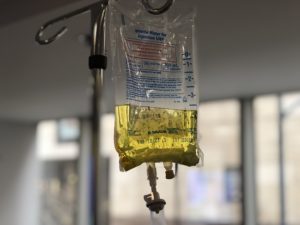
I went back to the doctor that said “what’s your point” when I told him I had thiamine deficiency and requested 600 mg of parenteral B1 instead of 100 mg. A bit taken back, he shows compassion and custom orders 500 mg of B1 in a Myers Cocktail, after I explained my recent experience. The IV manager thought I was an ICU patient, but I wasn’t. It was the dose I felt best on.

High Dose IV Thiamine Therapy: From  A Patient’s Perspective

A series of high-dose thiamine (HDT) IV treatments, turned into an epigenetic treatment going on two years and two months. I’ve taken 100,000 mg of parental thiamine to this date. Infusions continued to sustain therapeutic effects and increased thyroid production. Unknown cause of malabsorption required ongoing infusions. Resolved through extensive pre-and post-labs.

I self-directed my treatment and gauged myself. I found thiamine articles from all over the world, but high-dose thiamine information was limited to WE treatment only. I received no medical advice on thiamine therapy from allopathic doctors that had clinical nutrition education, or from a young orthomolecular doctor or GP. Familial beriberi - thiamine deficiency

I had two to three IVs per week the first year that included 500 mg of thiamine. The longest time without an IV was three weeks at the beginning of 2020 and eleven days at the end of 2021. Below is a 12-month summary, from a 55-year-old woman with unrecognized lifelong thiamine deficiency from a SLC19A3 gene defect.

Journal From Long Term, IV, High Dose Thiamine Therapy

My high-dose thiamine regimen began 11/21/2019. This is the Meyers Cocktail titration period:

  • 2 infusions of 200 mg of thiamine in 2 weeks in end of Nov. to Dec.
  • 5 infusions 300 mg of thiamine in 2.5 weeks Dec. to Mid Dec
  • 2 infusions 400 mg of thiamine in 2 weeks Mid Dec. to January.
  • 500 mg of thiamine 2 to 3 times a week were taken in the middle of January.

11/2019 Concerned about anaphylaxis. Only a few teeny bumps around lips developed and disappeared after the first day. Visual clarity is the first sign of improvement.

12/2020 – Foot neuropathy and trigger finger for 4 months, resolved with 7 IV’s spread out over 4.5 weeks. The IV thiamine doses were 300 mg or 200 mg. Dexa scan shows osteopenia in lower back and femur and only 3 lbs. of lean muscle mass, muscle wasting, a hallmark symptom of beriberi.

OATS test taken a day after HDT infusion – tested B1 borderline deficient. Borderline and deficient in minerals and vitamins except manganese, doctor thought something was wrong with lab.

1/2020 – Right mucosal lining was demyelinating and slightly bleeding for a month, saw glitter. Zonulin levels over 800, the doctor told me not to be concerned, but I was. Slight rectal bleeding.

An unintentional fast in cold weather caused syncope. Broke out in an intense sweat, became faint and lost appetite. Leaned against buildings every few feet to get home, no thiamine in am. Sitting on bench resolved symptoms. MCV increases to 100, normal range is up to 95.

Tested negative for panel of inborn errors of metabolism. Autoimmune panel negative except – Arthritis – equivocal, Thyroiditis- out of range, Epstein Barr – negative.

2/2020 – New formulation of phosphatidylcholine, with small amount of dextrose without B1 was a mistake.

On three-week break, nighttime driving vision had decreased. Resumed Meyer’s Cocktail after break, fatigued, fell asleep in IV chair after IV. Reduced thyroid medication from I grain a week, increased after break to 3.5 grains a week. A1C 4.8 increased to 5.2 after break.

Right quadrant of my upper teeth dropped down. Oral surgeon said “not pathogenic of disease”.

Last visit with Dr. Kunin. Concerned I looked just as depressed as when we first met. I was happy to see him, unable to express it. Continue a more DIY approach and TCM, “the Chinese have found ways to treat that western medicine has not figured out, and one day technology will be so advanced doctors won’t be necessary”.  He handed me the keys and said, “Figure it out on your own.”

3/2020 – Introduced high fat diet. Lost 3 lbs.in a week. Severe leg cramps from foot to shin. During an IV, felt leg cramping. Normal cholesterol increased from 260 to 400. Stopped diet. No B1 in fat.

4/2020 – Lowered stress from semi-retirement and resting. IBS starts to resolve for the first time at 55. Felt extreme chill one day.  Took injectables at another doctor’s office due to shut down. I took 100 mg B1 in a B complex in intramuscular (IM) with B12 to ease B1 ‘pinch’, plus IM biotin for a month.  Not as effective as HDT infusions.  Combination of B1 with complex and biotin had best results.

5/2020 – Meyer’s Cocktail and 350 mg of NAD back-to-back infusions lifted brain fog profoundly.  Able to do tasks I couldn’t perform prior. I cried with joy, my cells were not permanently damaged from past use of Effexor and antibiotics. Unable to replicate treatment. Oral Inositol reduced elevated triglycerides dramatically, then stopped working. IBS came back off and on.

6/2020 – Tested borderline low on calcium, choline, magnesium, B5, B12, Vit C, K2, zinc on a three month average. GI lab shows mal-digestion, metabolic imbalance, and dysbiosis. Stomach pain from psyllium and flax, phytobezoar build up, rash on neck since 2019 getting worse, insomnia resolved.

7/2020 – Severe anemia showing and severe muscle weakness. I couldn’t lift a 5 lb. weight. Acute memory loss, almost walked out of lab before taking the lab.  Waking up early in am in summer at 8:00.  Hemoglobin normal and then drops frequently, IV doctor sees bleeding. Ophthalmologist finds arcus build up from high cholesterol, strong arteries, and recommends latanoprost for glaucoma after field test.

8/2020 – Decreased parenteral 500 mg B1 to 300 mg to test if high dose thiamine is depleting B12. Began coughing after 7 days. Post NAD IV lab tested  B12 deficiency, causing hemoglobin and T3 deficiency.  Acupuncture treatment creates switch sensations throughout body allowing oxygen flow, heart channel under arm point pulsated – oxygen and lung channels communicate. Leg bruising – Vitamin C deficiency.  Insomnia came back when B1 parental dose decreased, never resolved fully after increasing B1.

9/2020 – ANS dysfunction – uncontrollable body flipping in bed two nights in a row, movements like a fish out of water.  Resumed 500 mg of prenatal B1 after two weeks at 300 mg. Ophthalmologist said “you look more alert”, compared to two months ago. Started IM Mic-B and hydroxocobalamin, 5 days a week. IBS-C decreased with B12 IM. Coughing on Lipothiamine, switched permanently to Allithiamine, cough resolved. Normal zonulin levels return, reduced gut inflammation. GI didn’t order endoscopy after I told him something hit my stomach when walking and had rectal bleeding. He wrote IBS on notes. Stopped EDTA IVs for cadmium after a few treatments, when urine began foaming.

10/2020 – Latent deficiencies appear: B12, CoQ10 malabsorption. B1 not absorbing. Vitamin C deficiency appears, lifelong subclinical scurvy, bleeding gums, gingivitis, pilaris keratosis, bruising, poor iron absorption, rectal bleeding, low tyrosine.  Sick people are low in B vitamins and Vitamin C.  Repeated thiamine depletions cause heavy Vitamin C deficiency in lung, kidney, thymus, and liver.

Tested positive for Intrinsic Factor AB, Pernicious Anemia (PA).  Hematologist defensive when I asked him if TD can cause anemia, cancelled next appt., told me to see a GI. Doctors booked from Covid-19 delays.

Oral surgeon cleared teeth shifting. Orthodontist ordered aligners, short teeth roots in scan.

Trialed compounded thiamine cream from Lee Silsby pharmacy and replaced TTFD.

11/2020 – Stomach pain increasing after meal. Twelve days in, I thought I was going blind. The thiamine cream wasn’t absorbing. Indoor and night vision blurry. Back to TTFD and Myers Cocktail together. My vision came back, but not as clear before getting blurry. Mild paradox reaction, a bowel movement in the middle of the night.

12/2020 – Endoscopy shows chronic gastritis, h. pylori and peptic ulcers. A combination of a lack of nutrients cause ulcers, including B1.  Refused triple therapy (antibiotics and PPI). Treated with cabbage, herbals, mastic gum.  ION Panel indicated GSH and potassium deficiency, lactic acidosis (TD), ketosis, oxidative stress, transmitter deficiencies and metabolic syndrome.

Elliot Overton of EO Nutrition interprets mitochondria in battleship mode, suspects mold toxicity. Unseen mold or water damage. Incontinence and frequent urination. Second ophthalmologist told me don’t take latanoprost. MCV high still high with regular IM B12, since 10/20. With small veins and bursting arteries, it’s difficult to maintain IV’s.

In 2020, my health was like my dad’s. My hearing and vision deteriorated, I was unable to hear people speak with masks on and had difficulties focusing on conversation in noisy rooms. Gingivitis developed into periodontal disease; teeth aligners require lifetime use. My dad is deaf in one ear, and now going blind in the second eye and had the periodontal disease the same year and wears dentures.

Observations at 43,500 mg IV Thiamine After 13 Months

Intravenous therapy can target issues in ways oral thiamine cannot reach.

Improved thyroid production, A1C, insomnia, IBS and CFS, overall energy level partially improved.  Foot neuropathy and trigger finger resolved.  Cocktails with phosphatidylcholine, iron, and NAD, had increased effects, latent deficiencies appear, no nutrient depletions from high-dose thiamine.

Infection, gastritis, ulcers during treatment caused malabsorption. Reducing thiamine caused insomnia to reoccur and acute vision reduction, increased ANS dysfunction caused temporary uncontrollable body movements.  Increased dose of 300 mg to 500 mg of B1 resolved uncontrollable body movements and regained vision.

I saw one patient vomit, and a patient have nausea during 300 mg B1 Meyers Cocktail.

ROS from unknown cause extends treatment into 2021.

High Dose Thiamine IV Therapy, Toxins, Diet, Labs, and Gigong

In 2021, I tapered to two IVs a week and increased the 500 mg to 600 mg mid-year. Hot flashes returned after 5 years of remission causing a three-month setback. Insomnia made me delirious and had to take naps. PEMF bio-mat calms the nervous system to assist in sleep, without it I’ll wake up a few times during the night. For over 10 years, I wake up and urinate once a night. My eyes became blurry and I walked slowly like an old lady for a short period. Daily clear phlegm wants to come out since 2020 when I eat.

In spring my bloodwork showed Stachybotrys and Aspergillus mold. I found growth on papers in a storage box against a wall with the laundry room on another side. Condensation went through the wall.

With my gut healing and IV therapy, my TBO antibodies levels reduced significantly. The increased T3 raised my steroid hormones. Reducing thyroid medication again was a real possibility. IBS-C was resolved by mega-dosing powder magnesium with fiber, B1 and B12. I once had an offer to see the world authority on IBS-C, though all I needed was a good form of high-dose magnesium. I was feeling better until I experienced unexpected setbacks.

Everything Changed With Two Major Endocrine Disruptors

Microscopic brick debris during construction flew under my windows. Debris flew inside over 50 ft. and landed everywhere, never thought my eyes and lungs could clear it. Due to an HLA-DQB1 gene defect, I’m unable to break down mycotoxins (mold).  Mold is an anti-thiamine factor and it oxidizes B1 and B12.

When inflammation started to calm down, my hallway went under remodeling, and material debris and paint fumes went under my door. The chemicals shut down my thyroid. Antibodies rose from 180 to 535. Inflammatory markers that were improving became elevated and deficient. My killer cell function, HNK1 (CD57) level was 50 and now 18.  The doctor thinks I have Lyme. I’m testing for MARCoNS, a staph infection that resides deep in the nasal passage, due to sinus inflammation from the biotoxins.

After trialing Cholestyramine for mold binding, it made me constipated. My acupuncturist gave me a two-hour treatment to undo the damage. To detox, I use an FIR infrared sauna on the mat. I’m getting an ERMI test kit to test other rooms, an air test hardly detected mold.

HDT Isn’t a Standalone Treatment

With the amount of IVs I took, I tested questionable foods. A few small gluten-free snacks put me into a comatose within 20 minutes. Less than two ounces of coffee initiated leg/foot cramping. I never had this problem a few years ago.  Removal of processed carbs is the only way I can maintain my thiamine storage.

Staying in mild ketosis, on a paleo diet is optimal for me. When I tried high-fat and vegan diets, they caused deficiencies. I have a nonfunctional gene cluster FADS1/FADS2, that requires the consumption of EPA and DHA found in seafood. Drinking concoctions of vegetables and minerals activate B vitamins throughout the day.  TD causes nitric oxide deficiency and I replete myself with nitric oxide greens.  My one kryptonite food is liver, it elevates my copper.  Using food as medicine supports my overall immune function as I recover from Chronic Inflammatory Response Syndrome.

My hydrochloric acid is deficient from TD, and I have low gastrin. I’ve taken 13,000 mg of Pepsin Betaine and feel no sensation. Apple cider vinegar doesn’t seem to work. My amino supplements aren’t absorbing.  I also have oxalates, Elliot recommends more B6 and I’ve increased molybdenum to meet my sulfur intake.

I take a blend of B1 that includes: 900 mg Allithiamine, 300 mg benfotiamine and 500 mg thiamine HCL. Over 900 mg Allithiamine and sulfur come up. Before a Meyers Cocktail, I’ll soak in magnesium salts. I’ve increased all the B’s and take them with other essential nutrients throughout the day in moderate to high doses. I require biotin intramuscularly every few weeks, otherwise my nails chip, this started last year. My transporter may be dissolving.

Utilizing Biomarkers and Managing Nutrients

Every six weeks I rotate biochem panels and adjust diet and supplements. My weaknesses this year have been lipids, omegas, aminos, and inflammatory markers. My B12 continues to pool due to suboptimal thiamine levels unable to utilize B12, so I stopped testing. I inject 35 mg of hydroxocobalamin a week, plus sublingual, and hemoglobin is always on the lowest end of normal after I had pernicious anemia. Mold is the suspect cause. I may also have scar tissue from ulcers and scurvy of the colon. The GI doctor recommends an endoscopy once every three years when there’s been a problem.

I’ve found nutrient panels reliable when B1 is extremely deficient. On two occasions my lactate tested normal. Then I had beriberi symptoms after I took the labs on the same day. This was from eating beans and walking in sun, which forced me to sleep. My citric acid markers were normal on an ION panel and I was in ketosis, but the clinician didn’t know I had POTS on the morning of the lab. This was from a three-day fast suggested by a doctor. Thiamine deficiency can worsen on a dime.

Diagnosed with TD on a SpectraCell micronutrient panel, I had long-term B1 deficiency. Normal B1 levels are misleading on my labs once there’s been intake. The Vibrant America panel showed B1 malabsorption at 35,000 mg of parenteral B1.  I’ll continue with this panel and monitor nutrients connected to B1.

My doctor’s friend offered me the two-part transketolase lab for research, but my doctor forgot to arrange the sampling. I was upset at the time, but it doesn’t matter now. I manage myself by how I feel. With Excel journaling, the more elements I add, the more clarity I receive. Observing physical changes are equally valuable to the labs.

A Revisit to Energy Medicine That Compliments Nutritional Balancing

I recently discovered group Primordial Qigong. I haven’t found any other modality that has the same restorative benefits that give energy instead of using energy. Movements connect the body, mind, and soul with the focus on living in the present. Gentle stimulation of systems and body parts creates rejuvenation from within. Who doesn’t want that?

Dysautonomia, the fainting prevention point, is taught in practice. The bank of hands faced together inverted pushed downwards from the forehead over the philtrum encourages balance. Made for masses with no resources, it only requires continuity. This is a welcoming alternative compared to the nutrient-depleting therapies, recommended by for-profit western doctors that made my health worse when they didn’t know what they were dealing with.

At 100,000 mg Of IV Thiamine – It Feels Like I’m on a Train I Can’t Get Off

Overall, the quality of my life has improved. I no longer need to lie down and sleep during the day, even if I feel tired. I’m more active in mind and body. I can sit up and read, wake up earlier, and exercise. My processing speed and speech are faster. The left side of my brain is strengthened. I did audits on my condo association to trace missing dues and one over BlueCross when many claims were unpaid. My brain fog had been too severe to do this previously.

Neuropsychiatric issues appear in less frequency. I still experience forgetfulness and minor learning impairments. Irritation is manageable. I believe some brain function is permanently damaged along with hearing loss. Considering my long-standing history, I’m pleased with the results even though it is only a partial recovery.

Since my body called out for a high dose, there’s a chance I can regress. At 11 days off the IVs, I was deficient in Co2. I don’t know if the thiamine coenzymes can function without high-dose therapy because of my genetic liability. I’m patiently waiting to see how my body changes after the toxins are eliminated and figure out how to taper down from the IVs.

Final Thoughts

Thanks to Dr. Marrs and writers on HM for elucidating thiamine awareness, I learned how to use thiamine as a drug at a time when I needed it most.

Through luck, I found nutritional clinicians that made a significant difference in my health. Educated in Dr. Lonsdale’s thiamine research, they applied his nutrient-based knowledge into their practices. Understanding that beriberi still exists today and is not an ancient scourge from yesterday, is critical.

By assimilating the genetic impact of beriberi and orthomolecular dosing, I’m regaining health in my late fifties. However, no patient should have to spend a lifetime finding a treatment based on luck. There’s no reason to it’s all here: Thiamine Deficiency, Dysautonomia and High Calorie Malnutrition, Derrick Lonsdale and Chandler Marrs; www.orthomolecularmedicine.org

We Need Your Help

More people than ever are reading Hormones Matter, a testament to the need for independent voices in health and medicine. We are not funded and accept limited advertising. Unlike many health sites, we don’t force you to purchase a subscription. We believe health information should be open to all. If you read Hormones Matter, like it, please help support it. Contribute now.

Yes, I would like to support Hormones Matter.

This article was published originally on February 14, 2022. 

SIDS and Vaccination

12.1K views

Posted on Child Health and Safety on January 13, 2015 was an announcement that vaccines had been proven to cause sudden death in children (SIDS). The announcement indicated that death in 67 cases was only explicable as caused by vaccines. Drug safety regulators were said to have had the information for over two years. In this post, I am going to contest vaccination as the sole cause and try to explain why I think it is a much more complex problem.

In 2001, I published a paper that hypothesized the requirement of three variables: Sudden infant death syndrome requires genetic predisposition, some form of stress and marginal malnutrition. I have just published another paper on the same subject: Thiamin and Magnesium Deficiencies: Keys to Disease.

What History Tells Us about SIDS

Back in the seventies, I was working at Cleveland Clinic in Cleveland Ohio in the Department of Pediatrics. At that time there was a great deal of professional interest in SIDS. In the course of my research, I had found a paper written in a prestigious medical journal in 1944 by a British Medical Officer of Health by the name of Lydia Fehily. Readers will remember that Hong Kong was then a British protectorate and Fehily was sent out from England in order to investigate a common form of sudden death in breast fed infants of Chinese mothers in the colony.

A little bit of history is important to the final solution. Before World War II, the Japanese had invaded China. The rice ration was cut to starvation levels, thus cutting down the calorie intake. Although the symptoms of starvation prevailed in the mothers and the infants, the sudden infant death had disappeared. After the Japanese were driven out, the pregnant mothers in Hong Kong had as much rice as they wished. The calorie intake had been restored, overwhelming the required concentration of vitamin B1 for adequate oxidation of the calories. The sudden death in the breast fed infants immediately reappeared.

Fehily had discovered that the reemergence of SIDS was due to infantile beriberi because the infants were fed by vitamin B1 deficient breast milk (Human milk intoxication due to B1 avitaminosis). Those affected were almost always regarded by their mothers as the healthiest appearing infants in the family prior to their death. These events were rare under two months and after six months of age. It occurred almost always at night, was often associated with a runny nose interpreted as a mild cold and was more common in winter months. The epidemiology of this is almost exactly like that of modern SIDS. Although the modern interpretation is related to the positioning of the infant in the crib, it is certainly not the whole story. I came across the report of a meeting of beriberi researchers held at that time. A statement in that report had said that:

“any sudden otherwise inexplicable infancy death is a guarantee of infantile beriberi. No other disease has a similar outcome”.

Predicting SIDS

During the early part of the seventies it was thought that SIDS could not be predicted, that there were no symptoms to provide a warning. Later on in the decade, it was shown that there was such a thing as “threatened SIDS” judged by a few non-specific symptoms. Coincidentally, an alarm system had been invented that an infant could wear in the crib. It indicated when breathing stopped for a given interval or when the heart slowed. If and when such a thing happened, it was very easy to resuscitate the infant by a simple slap on the buttock.

SIDS, Thiamine and Brain Development

I began to admit infants with this kind of history to the hospital and place them on an alarm system. Believe it or not, by giving thiamine by injection to these infants, the alarms ceased to be initiated. I found this to be very exciting and I continued my research. I even went to Australia to do sabbatical research with the late Dr. Read at the University of Sydney who had evidence of implication of thiamine metabolism in SIDS. I found that there were families where SIDS had been occurring in more than one related infant. There was no pattern that indicated a direct genetically determined outcome and I concluded that it was a genetic risk rather than a genetically determined disease.

The overall logical conclusion to this series of facts was as follows:

  1. That genetic risk implied an unusually well developed brain that required a great deal of energy to function. The only means by which this could be acquired was through pristine nutrition for the mother during pregnancy.
  2. That calories from simple carbohydrate with insufficient thiamine was extremely dangerous. (Note that rice rationing had stopped the infancy deaths in Hong Kong).  The brain of an infant in the first six months of life grows at a tremendous rate and the oxidation of glucose to provide the required energy is crucial. Vitamin B1 is essential to that oxidation. This had been shown by Dr. Peters in Cambridge, England as early as 1936.
  3. That some form of stress may or may not be necessary, depending on the state of biochemistry in the brain. The infant is already at risk at birth because of the nature of nutrition supplied by the mother during pregnancy. A state of marginal malnutrition in the infant is insufficient to meet the energy demands of adapting to the vaccination as a stress factor.

Readers of this website may or may not be aware of a series of posts on the relationship of post Gardasil postural orthostatic tachycardia syndrome (POTS) with thiamine deficiency. I believe that this post on SIDS bears comparison with the logical reasoning applied in that post.  Also, Dr. Marrs has repeatedly pointed out the relationship between drugs and seemingly unrelated disease caused by them.

Does Thiamine Deficiency Underlie Post Vaccination SIDS?

The epidemiology (study of cause) of infantile beriberi (vitamin B1 deficiency) is sudden death. The commonest time for this is between three and four months and more commonly in male infants. Although this is almost the exact epidemiology of modern SIDS, this well researched truth is ignored. The classical vitamin deficiency diseases (beriberi, pellagra, scurvy) are considered to be of only historical interest because vitamin enrichment of foods has abolished them. This is simply not true.  A high intake of sugar in the form of simple carbohydrate, empty calories is widespread in America and other Westernized countries, automatically overwhelming the insufficient concentration of vitamin B1, the equivalent of a choked engine in a car. “Soft” drinks are all too well advertised and encouraged in opposition to the consumption of “hard” alcohol that is regarded as more dangerous. Although the dangers of alcohol are well known, the danger of “soft” and “Diet” drinks, particularly during pregnancy, is almost totally unknown to consumers who erroneously believe they are preventing weight gain and contributing to personal health.  The advertising is misleading.

Looking again at history, we also know that the very first symptoms of beriberi could occur in a group of patients when exposed to sunlight. We now know that ultra violet light is very stressful to the human body, demanding an adaptive “stress” response that is automatically initiated by the lower part of the brain, the limbic system and brainstem. The word “stress” must be used in its proper connotation. It must be defined as a mental or physical force to which we have to adapt. For an infant, stress would include weather changes, infection, trauma, vaccination, partial suffocation from being placed in the prone position, inhalation of chemicals in the crib mattress and other possible variables. This part of the brain is particularly sensitive to thiamine deficiency, diminishing the supply of energy required by the cells in order to perform this complicated adaptive process.

We live in a hostile environment to which we have to adapt automatically 24 hours a day by brain/body mechanisms initiated by the lower brain. Damaging the brainstem affects the nervous control of automatic breathing and control of heart rhythm. Thus, breathing or heart beat may cease in an infant during sleep when thiamine deficiency prevails. During the first six months of life brain growth is tremendously fast, requiring an enormous amount of energy. I am proposing that the infant with the highest, genetically determined brain energy requirement is more at risk. If this is true, the tragedy of SIDS may be removing the most superior future citizens. Obviously, the mother’s diet must provide a proper balance between the calories that provide the fuel and the capacity of the cell to burn the calories by means of the appropriate vitamins. Because we now know that sufficient thiamine or vitamin B1 is critical to prevent beriberi and I have published evidence for deficiency of this vitamin in threatened SIDS, it makes sense to consider the interplay of three variables in SIDS. The three variables are as follows:

  1. Genetic risk, “e.g. a high brain energy requirement”
  2. A non specific stress factor, “e.g. vaccination”
  3. Marginal high carbohydrate calorie malnutrition

It also makes sense to consider the possibility that the stress of vaccinations is too great a risk for infants who are genetically and/or environmentally predisposed to oxidative damage in the brainstem.

We Need Your Help

More people than ever are reading Hormones Matter, a testament to the need for independent voices in health and medicine. We are not funded and accept limited advertising. Unlike many health sites, we don’t force you to purchase a subscription. We believe health information should be open to all. If you read Hormones Matter, like it, please help support it. Contribute now.

Yes, I would like to support Hormones Matter.

Image: PickPic royalty free.

This article was published originally on Hormones Matter on January 21, 2015.


Everyone Needs a Little Extra Thiamine: New Podcast

5.4K views

Several months ago, I had the great pleasure of speaking with Ann Louise Gittleman, an icon in women’s health and nutrition. The topic, as you might have guessed, was modern thiamine deficiency. We dive right into why so many of us are deficient in thiamine and why so few of us, physicians included, consider thiamine as a culprit to illness.

Thiamine deficiency is quite possibly the most important vitamin deficiency of modernity. It causes a long list of ailments that can be easily remedied if you know what to look for. It is so important, that we wrote about it: Thiamine Deficiency Disease, Dysautonomia, and High Calorie Malnutrition and have hundreds of research articles and case stories on the topic published here.

Why is thiamine so important? Well, thiamine is absolutely fundamental to mitochondrial function, and if you don’t know already, mitochondrial function is absolutely fundamental to everything else. The mitochondria take components of the foods we eat and convert that into biological energy or ATP. ATP then fuels cell function – all cell function. Diminished ATP capacity or output, as one might imagine, causes all sorts of problems, many of which underly modern illness.

If thiamine is that important, why isn’t it among the first nutrients tested when illness sets in? That is a good question. Aside from the lack of economic drivers (why prescribe an inexpensive vitamin when you can prescribe an expensive pill), the only answer that makes sense is that most people think this deficiency is impossible without starvation or alcoholism. That is what the textbooks have told us for generations.

Since we live in an era of food abundance, where obesity reigns and where most foods are either fortified or enriched with some vitamins, it is difficult to imagine vitamin malnutrition. In reality though, many of the products we call food have been so adulterated that they carry with them more toxins and more calories than even the added vitamins can overcome. I have written about this on a number of occasions as well. Here is just one of those articles, but there are many more, if you search the website.

Or, you can just have a listen to this latest podcast here.

thiamine podcast


We Need Your Help

More people than ever are reading Hormones Matter, a testament to the need for independent voices in health and medicine. We are not funded and accept limited advertising. Unlike many health sites, we don’t force you to purchase a subscription. We believe health information should be open to all. If you read Hormones Matter, and like it, please help support it. Contribute now.

Yes, I would like to support Hormones Matter. 

Migraine Energy Metabolism: Connecting Some Dots

16K views

I have been reading some of the fascinating posts by Angela Stanton PhD concerning her research in migraine headaches. I regard the substance of her discussions as somewhat like dots on a chart that need to be connected. I learned a great deal about the chemistry involved in migraine. One of her comments that involves ion homeostasis in brain metabolism is fascinating. She noted that “serotonin is created by a normally functioning brain. Why it decreases or increases in the brains of migraineurs has always puzzled me. Should we not try to find out why?” That simple three letter word is the heart and soul of research and I believe that I may be able to add some information that might provide an answer.

Ehlers Danlos and Migraine

In one of Angela’s posts she discusses a subject which has been of interest to me for many years, the overlap of symptoms in disease. She noted that 60% of migraineurs have one type of Ehlers Danlos syndrome (EDS) and 43% of EDS have minor changes in DNA (SNPs) found in migraineurs. She concludes that they must be related. Over 70% of migraineurs have Raynaud’s disease and there is an overlap with EDS and Raynaud’s. Therefore, she concludes that these three diseases are variants. In  fact, there is an association between EDS, Postural Othostatic Tachycardia Syndrome (POTS) and a group of conditions known as mast cell disorders. EDS-HT, (one of the manifestations of this disease), is considered to be a multisystemic disorder, involving cardiovascular, autonomic nervous system, gastrointestinal, hematologic, ocular, gynecologic, neurologic and psychiatric manifestations, including joint hypermobility. Many non-musculoskeletal complaints in EDS-HT appear to be related to dysautonomia, consisting of cardiovascular and sudomotor dysfunction. Many of the clinical features of patients with mitral valve prolapse can logically be attributed to abnormal autonomic function. Myxomatous degeneration of valve leaflets with varying degree of severity is reported in the common condition of mitral valve prolapse.

A woman, with what was described as a “new” type of EDS, died after rupture of a thoracic aortic aneurysm. Autopsy revealed myxomatous degeneration and elongation of the mitral and tricuspid valves. Patients with POTS, a relatively common  autonomic disorder, may have EDS, mitral valve prolapse, or chronic fatigue syndrome and are sensitive to various forms of stress, as depicted in the clinical treatment of a dental patient affected by the syndrome. Dysautonomia has been described in the pathogenesis of migraine, featured by nausea, vomiting, diarrhea, polyuria, eyelid edema, conjunctival injection, lacrimation, nasal congestion and ptosis. In general, there is an imbalance between sympathetic and parasympathetic tone.

Energy Metabolism and Migraine

Technological studies have confirmed the presence of deficient energy production together with an increment of energy consumption in migraine patients. An energy demand over a certain threshold creates metabolic and biochemical preconditions for the onset of the migraine attack. Common migraine triggers are capable of generating oxidative stress  and its association with thiamine homeostasis suggests that thiamine may act as a site-directed antioxidant. It strongly suggests that migraine is a reflection of an inefficient use of brain oxygen.  An intermediate consumption of oxygen between deficiency and excess appears to be a necessity at all times. In fact,” moderation in all things” is an important proverb

Backing up energy deficiency, two cases of chronic migraine responded clinically to intravenous administration of thiamine. However, the authors are in error when they state in the abstract that “nausea, vomiting and anorexia of migraine may lead to mild to moderate thiamine deficiency”. An otherwise healthy 30-year-old male acquired gastrointestinal beriberi after one session of heavy drinking. Nausea, vomiting and anorexia relentlessly progressed. He had undergone 11 emergency room visits, 3 hospital admissions and laparoscopy within 2 months but the gastrointestinal symptoms  continued to progress, unrecognized for what these symptoms represented. When he eventually developed external ophthalmoplegia (eye divergence), he received an intravenous injection of thiamine which reversed both the neurologic and gastrointestinal symptoms within hours.

In other words it is important to be aware that nausea, vomiting and anorexia are primary symptoms of beriberi due to pseudohypoxia in the brainstem where the vomiting center is located. Chronic migraine has a well documented association with insulin resistance and metabolic syndrome. The hypothalamus may play a role. One of Angela’s comments concerns ion homeostasis in migraines. Thiamine triphosphate (TTP) can be found in most tissues at very low levels. However, organs and muscles that generate electrical impulses are particularly rich in this compound. Furthermore, TTP increases chloride (ion) uptake in membrane vesicles prepared from rat brain, suggesting that it could play an important role in the regulation of chloride permeability. Although this research was published in 1991, the exact role of TTP is still unknown. It has been hypothesized that thiamine and magnesium deficiency are keys to disease.

Angela wondered why serotonin might be increased or decreased in migraineurs. I strongly suspect that it is due to brain thiamine deficiency as the ultimate underlying cause of the migraine. In a review of thiamine metabolism, it was pointed out that metabolites could be high or low according to the degree of the deficiency. Victims of beriberi were found to have either a low or a high potassium according to the stage of the disease. If they were found to have a low acid content in the stomach, treatment with thiamine resulted in a high acid content before it became normal. If the stomach acid was high it would become low before it became normal. Since low and/or high potassium levels may be found in the blood of critically ill patients, thiamine deficiency should be a serious consideration in the emergency room or ICU Thiamine deficiency may be the answer for the fluctuations of serotonin observed in migraine.

Redefining Disease Models

According to the present medical model, each disease is described as a constellation of symptoms, physical signs and laboratory studies, each with a separate etiology. The overlap discussed by Angela suggests that the various conditions nominated have a common cause and that they are indeed nothing more than variations. If energy metabolism is the culprit, it would make sense of the infinite variations according to the degree and distribution of cellular energy deficiency. EDS-HT, described above is reported as a multi-system disease, exhibiting cardiovascular, autonomic gastrointestinal, hematologic, ocular, gynecological and psychiatric symptoms as well as the joint mobility. It seems to be impossible to explain this multiplicity without invoking energy deficiency as the cause. People with prolapsed mitral valve and a patient with a “new” form of EDS, reportedly have myxomatous degeneration as part of their pathology and it is tempting to suggest that such an important loss of structure might well be because of energy deficit.

The controls of the autonomic nervous system are located in the lower part of the brain that is particularly sensitive to thiamine deficiency and beriberi is a prototype for thiamine deficiency in its early stages. Dysautonomia is frequently reported as part of many different diseases, offering energy deficiency as the etiology in common. Yes, it is true that thiamine is not the only substance that enables the production of ATP. Nevertheless, it seems to dominate the overall picture of energy metabolism. It has long been considered the essential focus in the cause of beriberi, even though all the B complex vitamins are found in the rice polishings. Milling and the consumption of white rice was the prime etiology of the disease when it was common in rice consuming cultures.

We Need Your Help

More people than ever are reading Hormones Matter, a testament to the need for independent voices in health and medicine. We are not funded and accept limited advertising. Unlike many health sites, we don’t force you to purchase a subscription. We believe health information should be open to all. If you read Hormones Matter, like it, please help support it. Contribute now.

Yes, I would like to support Hormones Matter. 

Image by Chen from Pixabay.

This article was published originally on June 22, 2020.

It All Comes Down to Energy

24.9K views

The Threat Around Us

Animals, including Homo Sapiens, survive in an essentially toxic environment, surrounded by microorganisms, potential poisons, the risk of trauma, and adverse weather conditions. Evolutionary development has equipped us with complex machinery that provides defensive mechanisms when any one of these factors has to be faced. Before the discovery of microorganisms, medical treatment had no rhyme or reason, but killing the microorganisms became the methodology. The research concentrated on ways and means of “killing the enemy”, the bacteria, the virus, the cancer cell. The discovery of penicillin reinforced this approach. We are now facing a period of potential impotence because of bacterial resistance, failure of attempts to kill viruses, and the resistance to chemotherapeutic agents in cancer. Louis Pasteur is purported to have said on his deathbed, “I was wrong, it is the terrain that matters”, meaning body defenses.

Hans Selye, whose research into how animals defend themselves when attacked by any form of stress, led to his description of the General Adaptation Syndrome (GAS). He recognized the necessity of energy in initiating the GAS and its failure in an animal that succumbed to stress. He labeled human disease as “the diseases of adaptation”. In Selye’s time, there was little information about energy metabolism but today, its details are fairly well-known. The suggestion of a new approach depends on the fact that our defenses are metabolic in character and require an increase in energy production over and above that required for homeostasis. If the GAS applies to human physiology and that we are facing the “diseases of adaptation”, it is hypothesized that research should be applied to methods by which energy metabolism can be stimulated and mobilized to meet the stress.

Energy Deficiency, Defective Immunity, and COVID-19

There is evidence that energy deficiency applies to each of the diseases described here. It may be the unrecognized cause of defective immunity in Covid-19 disease. Although in coronavirus disease the clinical manifestations are mainly respiratory, major cardiac complications are being reported involving hypoxia, hypotension, enhanced inflammatory status, and arrhythmic events that are not uncommon. Past pandemics have demonstrated that diverse types of neuropsychiatric symptoms, such as encephalopathy, mood changes, psychosis, neuromuscular dysfunction, or demyelinating processes may accompany acute viral infections or may follow infection by weeks, months, or longer in viral recovered patients. Electrocardiographic changes have been reported in Covid-19 patients. The authors suggest that it may be attributed to hypoxia as one possibility. Because the total body stores of thiamine are low, acute metabolic stress can initiate deficiency. Thiamine deficiency has a clinical expression similar to that observed in hypoxic stress and the authors referred to it as pseudo-hypoxia. It is therefore not surprising that defective energy metabolism can express itself clinically in many different ways.

The present medical model regards each disease as having a separate cause, but the large variety of symptoms induced by thiamine deficiency suggest the ubiquitous nature of energy deficiency as a cause in common. Obesity, a reflection of high calorie malnutrition, has been published as a risk factor for patients admitted to intensive care with Covid-19. Thiamine deficiency was reported in 15.5-29% of obese patients seeking bariatric surgery. Hannah Ferenchick M.D. an emergency room physician commented online that many of her patients with Covid-19 had what she called “silent hypoxemia”. These patients had an arterial oxygen saturation of only 85% but “looked comfortable” and their chest x-rays “looked more like edema”  It has long been known that patients with beriberi had low arterial oxygen and a high venous oxygen saturation. All that would be needed to support the hypothesis of thiamine deficiency in some Covid victims would be finding a high venous oxygen saturation at the same time as a low arterial saturation. Also, edema is a very important sign of beriberi, and thiamine deficiency has been noted in critical illness.

Disrupted Autonomic Function

There have been many articles in medical journals describing dysautonomia, mysteriously in association with a named disease, but with no suggestion that the dysautonomia is part of that disease. More recently, there is increasing evidence that dysautonomia is a feature of chronic fatigue syndrome (CFS), manifested primarily as disordered regulation of cardiovascular responses to stress. Manipulating the autonomic nervous system (ANS) may be effective in the treatment of CFS. Dysautonomia is also a characteristic of thiamine deficiency. Patients with Parkinson’s disease begin to lose weight several years before diagnosis and a study was undertaken to investigate this association with the ANS. Costantini and associates have shown that high dose thiamine treatment improves the symptoms of Parkinson’s disease, although the plasma thiamine concentration was normal. They have also shown that high dose thiamine treatment decreases fatigue in inflammatory bowel disease, Hashimoto’s disease, after stroke, and multiple sclerosis. As already noted, it is also an important consideration in critically ill patients.

Multiple System Atrophy is a devastating and fatal neurodegenerative disorder. The clinical presentation is highly variable and autonomic failure is one of its most common problems. Dysautonomia was found to be a clinical entity in Ehlers-Danlos syndrome, a musculoskeletal disease, and this syndrome frequently coexists with Postural Orthostatic Tachycardia Syndrome (POTS), a disease that is included in the group of diseases under the heading of dysautonomia. Some cases of POTS have been reported to be thiamine deficient. This common condition often involves chronic unexplained symptoms such as inappropriate fast heart rate, chronic fatigue, dizziness, or unexplained “spells” in otherwise healthy young individuals. Many of these patients have gastrointestinal or bladder disorders, chronic headaches, fibromyalgia, and sleep disturbances. Anxiety and depression are relatively common. Not surprisingly the many symptoms are often unrecognized for what they represent and the patient may have a diagnosis of psychosomatic disease.

Immune-Mediated Inflammatory Diseases (IMIDs) is a descriptive term coined for a group of conditions that share common inflammatory pathways and for which there is no definite etiology. These diseases affect the elderly most severely with many of the patients having two or more IMIDs. They include type I diabetes, obesity, hypertension, chronic pulmonary disease, coronary heart disease, inflammatory bowel disease, rheumatoid arthritis, Sjogren’s syndrome, systemic lupus, psoriasis, psoriatic arthritis, and multiple sclerosis. The recent recognition of small fiber neuropathy in a large subgroup of fibromyalgia patients reinforces the dysautonomia-neuropathic hypothesis and validates fibromyalgia pain. These new findings support the disease as a primary neurological entity.

Energy Deficiency During Pregnancy: The Cause of Many Complications

Irwin emphasized the energy requirements of pregnancy in which the maternal diet and genetics have to be capable of producing energy for both mother and fetus. He found that preventive megadose thiamine, started in the third trimester, completely prevented all the common complications of pregnancy. Hyperemesis gravidarum is the most common cause of hospitalization during the first half of pregnancy and is second only to preterm labor for hospitalization in pregnancy overall. This disease has been associated with Wernicke’s encephalopathy, well known to be due to brain thiamine deficiency. The traditional explanation is that vomiting is the cause, but since vomiting is a symptom of thiamine deficiency, it could just as easily be the cause rather than the effect. In spite of the fact that migraines are one of the major problems seen by primary care physicians, many patients do not obtain appropriate diagnoses or treatment. Migraine occurs in about 18% of women and is often aggravated by hormonal shifts. A complex neurological disorder involving multiple brain areas that regulate autonomic, affective, cognitive, and sensory functions, it occurs also in pregnancy. Features of the migraine attack that are indicative of altered autonomic function include nausea, vomiting, diarrhea, polyuria, eyelid edema, conjunctival injection, lacrimation, nasal congestion, and ptosis.

The Proteopathies: Disorders Involving Critical Enzymes

The earliest and perhaps best example of an interaction between nutrition and dementia is related to thiamine. Multiple similarities exist between classical thiamine deficiency and Alzheimer’s disease (AD), in that both are associated with cognitive deficits and reductions in brain glucose metabolism. Thiamine-dependent enzymes are critical components of glucose metabolism that are reduced in the brains of AD patients. Senile plaques and neurofibrillary tangles are the principal histopathological marks of AD and other proteopathies. The essential constituents of these lesions are structurally abnormal variants of normally generated proteins (enzymes). The crucial event in the development of transmissible spongiform encephalopathies is the conformational change of a host-encoded membrane protein into a disease associated, fibril forming isoform. A huge number of proteins that occur in the body have to be folded into a specific shape in order to become functional. When this folding process is inhibited, the respective protein is referred to as being mis-folded, nonfunctional, and causatively related to a disease process. These diseases are termed proteopathies and there are at least 50 different conditions in which the mechanism is importantly related to a mis-folded protein. Energy is required for this folding process. Because of their reported relationship with thiamine, it has been hypothesized that mis-folding might be related to its deficiency on an energy deficiency basis.

It All Comes Down to Energy

A hypothesis has been presented that the overlap of symptoms in different disease conditions represents cellular energy failure, particularly in the brain. If this should prove to be true, the present medical model would become outdated. An attack by bacteria, viruses or an oncogene might be referred to as “the enemy”. The defensive action, organized and controlled by the brain, may be thought of as “a declaration of war” and the illness that follows the evidence that “a war is being fought”. This concept is completely compatible with the research reported by Selye. It underlines his concept that human diseases are “the diseases of adaptation”, dependent on energy for a successful outcome in a “war” between an attacking agent and the complex defensive actions of the body. Killing the enemy is a valid approach to treatment if it can be done safely. Unfortunately, the side effects of most medications sometimes makes things worse and that is offensive to the Hippocratic Oath. We badly need to create an approach to research that explores ways and means of supporting and stimulating the normal mechanisms of defense.

We Need Your Help

More people than ever are reading Hormones Matter, a testament to the need for independent voices in health and medicine. We are not funded and accept limited advertising. Unlike many health sites, we don’t force you to purchase a subscription. We believe health information should be open to all. If you read Hormones Matter, like it, please help support it. Contribute now.

Yes, I would like to support Hormones Matter. 

This article was published originally on May 11, 2020.

1 5 6 7 8 9 14