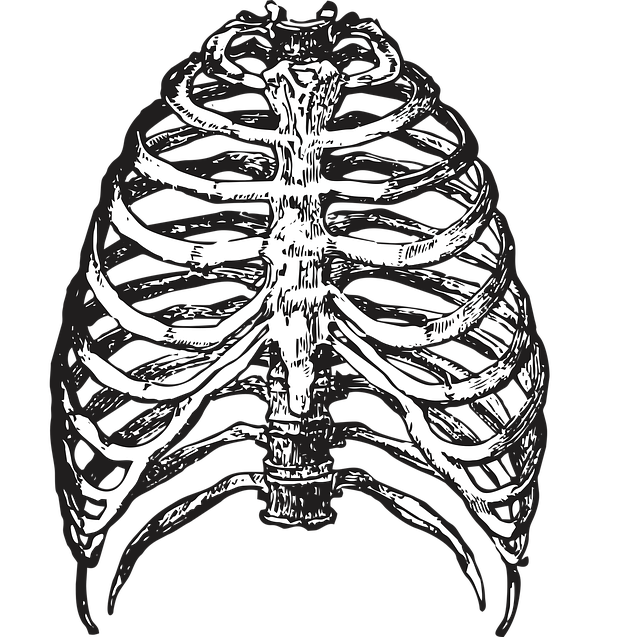


I am currently working with an individual experiencing a number of symptoms that can be linked to variety of nutrient deficiencies and the regulation of affected systems. I will report on his case more fully in the months to come, but just last night, while searching the literature for nutrient contributors to chest pain, or more specifically, sternum pain, I stumbled upon a clue that I want to share, as it may help others who are suffering similarly.
An Odd But Logical Contributor To Chest Pain
The clue: vitamin D deficiency can induce chest pain and breathing difficulties, absent other cardiac variables. Why? Because the pain comes not from the heart, but from the sternum and ribs and then seemingly radiates to the heart and diaphragm giving one a mistaken sense of heart issues.
With vitamin D deficiency, we get bone demineralization. Calcium and phosphate cannot be absorbed in the bone and the bones weaken. The weak bones then cause pain, with the most commonly recognized pain residing in the hips and legs. In children, this is seen as rickets. In adults, particularly older adults, it leads to osteoporosis and increases the risk for fracture.
While demineralization in the bones of the lower body are more commonly recognized, this process is global. Other bones are affected as well. The sternum or breast bone, along with the ribs that are attached, can be demineralized. When this happens, the connective tissue between the ribs and sternum inflames, causing persistent pain and difficulty breathing, which is often mistaken for heart issues. Indeed, up to 16% of cardiac related ER visits and 45% of ambulatory visits could be related to musculoskeletal issues. Among the more disconcerting symptoms is the difficulty breathing precipitated by eating or the sharp chest pain associated with certain movements.
The official name of this syndrome is costochondritis. After cardiac and lung symptoms are ruled out, it is typically treated with anti-inflammatories, physical therapy, exercise, and/or chiropractic care. While these modalities certainly help, absent direct injury, and sometimes even with direct injury, they may be missing the root cause and what is ultimately the result of vitamin D deficiency. Vitamin D is not typically considered, especially in younger, and apparently otherwise healthy individuals. Perhaps it ought to be.
Vitamin D Deficiency and Chest Pain
Presented in the two case studies linked here, we can see this pattern clearly. After ruling out cardiac etiologies, and seemingly by chance, physicians measured vitamin D. It was low. When repleted, the chest pain and breathing difficulties, which had been chronic, disappeared. Thankfully, the physicians recognized the connection and reported it in the literature. Otherwise, the connection may have remained unknown. Since its publication, there have been a few other studies reporting a significant associations between low vitamin D, costochondritis, and related symptoms; one in children and one in adults. There have been no additional studies, that I have found, regarding treatment and resolution with vitamin D.
Admittedly, the evidence is limited at this juncture, but it appears to be growing. Importantly, the vitamin D/costochondritis connection makes logical sense when considering idiopathic chest pain and breathing difficulties. Given the high propensity of vitamin D deficiency in the population – upwards of 50% of some populations – this may account for a large percentage of cases and it is something that is entirely treatable.
A Final Note
A final note on bone mineralization, vitamin D is not the only potential culprit, low calcium is a component, as are low thiamine and low manganese, something I wrote about recently here. I mention this because we have tendency to look for magic bullets, ‘one-and-done’ solutions health. Human biology does not work like this. When untangling complex health issues, it is important to look at the broad metabolic health of the individual and address the totality of the problem. In most cases, there are multiple nutrient deficiencies and metabolic abnormalities that have to be addressed. Vitamin D is just one of them, albeit a promising one.
We Need Your Help
More people than ever are reading Hormones Matter, a testament to the need for independent voices in health and medicine. We are not funded and accept limited advertising. Unlike many health sites, we don’t force you to purchase a subscription. We believe health information should be open to all. If you read Hormones Matter, like it, please help support it. Contribute now.
Yes, I would like to support Hormones Matter.






The effect of vitamin D mobilising calcium and leading to a reduction in bone mineral density should not be left out of the discussion.
https://jamanetwork.com/journals/jama/fullarticle/2748796