endometriosis - Page 15

The Soy Connection

5.4K views

As a firm believer in natural and holistic health, I believe that the food you eat can have a direct impact on your health. For those dealing with reproductive and or endocrine disorders simple dietary changes may help prevent or relieve a number of troublesome symptoms.  For women across the board, especially those with estrogen sensitive diseases (e.g. endometriosis) minimizing soy in one’s diet can provide a lot of relief.

But, isn’t soy good for you? That’s not an easy question to answer.  In moderation soy can provide a lot of benefits to one’s diet.  However, soy should not be a staple in your day to day meal planning.  To better answer the question we need to break it down.

Phytoestrogens

Soy is filled with phytoestrogens also known as “dietary estrogens,” which mimic the hormone estrogen that is naturally produced by the human body.  Research has shown that phytoestrogens are beneficial for women going through menopause, since menopause is marked by a reduction in estrogen levels.   Some menopausal women say that eating soy products helps relieve some symptoms of menopause such as hot flashes.  Research has shown that phytoestrogens help maintain cholesterol levels and bone density in post-menopausal women.   In addition phytoestrogens also help protect against a number of different cancers, such as prostate and breast cancer, cardiovascular disease and help with cognitive functioning.

However, soy being filled with phytoestrogens, can also be bad for you. Estrogens  are female sex hormones – estradiol is the most common. Estradiol promotes the growth of female sex characteristics. Soy is also high in phytic acid which if consumed in high quantities can affect the absorption of other minerals.  That is why third world countries that survive on grain and legume based diets have high rates of mineral deficiencies.

Too Much Dietary Estrogen

Increased estrogen consumption can be particularly detrimental to a number of people (i.e. babies, children, men, women sensitive to estrogens).  Studies have shown that giving babies/infants soy formula is the estrogenic equivalent to giving them daily birth control pills.  Obviously, such small children shouldn’t be on any form of contraception.   It has also been suggested that this increased ingestion of estrogen can lead to estrogen sensitivities, earlier onset of puberty and reproductive diseases/disorders such as endometriosis.  For older children increased amounts of estrogen also cause pubertal issues.  Large quantities of estrogen can delay puberty for boys and lower the age of menarche (first menstruation) for girls.  The average age of menarche decreases every year and a lot of researchers and medical professionals hypothesize that is has to do with the environment, toxins and the estrogen that comes from outside sources.  Early puberty can also lead to short stature in women.

Estrogen in abundance is also bad for grown men.  Men produce both testosterone and estrogen, with testosterone being the predominant hormone by far, and responsible for masculine features.  Too much estrogen in males can offset their testosterone to estrogen balance, causing hormonal deficiencies.   Lastly, estrogen is bad for women who are sensitive to estrogen, such as women with endometriosis.   The endometrium that builds up in endometriosis responds to estrogen.  The more estrogen you give your body the more the endometrium can build up, which leads to additional inflammation and bleeding.

Not all Soy Products are Created Equal

If you are still confused as to how soy can be both ‘good’ and ‘bad’ for you consider this: soy products come from a soy bean – however, if you take a good look at your soy-patties or chips made with soy you won’t see mashed up green beans. The invisible soy you eat come from processing the beans.   ‘Asian’ soy which is usually quoted as being “good” soy is fermented soy.  The process of fermenting soy can reduce a lot of the detrimental qualities of soy, but not entirely.  Unfermented soy contains antinutrients such as tripsin inhibitors which can produce serious gastric distress, reduced protein digestion and create chronic deficiencies in amino acid uptake. When soy is processed and manufactured it isn’t always fermented. There are two popular forms of processed soy:

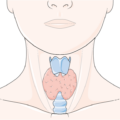
Soy Lechitin:  Soy lecithin is basically a waste product of refining soybean oil. In small amounts it isn’t harmful, but if you look at food labels it is found in a large amount of products. Putting soy products in everyday foods provides a lot of nutritional benefits (lower fat, lower calories, higher protein) while being cost effective to the manufacturers.  Unfortunately when you process soy it also increases the levels of estrogens and goitrogenics. Goitrogenics decrease the productivity of the thyroid and are bad for those with thyroid disease. Although ironically enough lecithin by itself (not soy lechitin just plain old lechitin) is good for you, it is a natural product high in choline.

Soy Protein Isolate:  Soy Protein Isolate is the key ingredient in most imitation meat and dairy products. It is also found in other manufactured goods and protein powders. To make soy protein isolate, the soy beans must first be mixed with an alkaline solution to remove fiber, then rinsed and separated using an acid wash and, lastly, neutralized in an alkaline solution. The resulting products are finally dried at high temperatures to produce a high-protein powder. A similar process is used to make textured vegetable protein which is a high-temperature, high-pressure extrusion processing of soy protein isolate.  With natural almost always being better for you, a process like this is by no means healthy.  It doesn’t sound good for you and it isn’t.  This process can also increase the amount of trypsin inhibitors.

So… Is soy good for you?  Studies show that a glass of red wine at dinner is good for you.  But we all know that washing dinner down with a bottle of red wine every night would not be good for us.  Approach soy in the same way; some soy products several times per week, especially if it is fermented, organic soy (think tofu cubes and not ‘fake pepperoni’) will provide more benefits than detriments.  In general be smart about what you put in your body, be an educated consumer and read your labels.  Just because it has soy doesn’t make it good.  But, that doesn’t mean you need to take all soy products out of your life.


Reflections on Becoming a Woman

4.3K views

Endometriosis Symptoms began with Menstruation

I remember that day perfectly.  I was eleven, in the sixth grade, 4’8 with brown frizzy hair – in the midst of that awkward transition from girl to woman.  It was the first time that my Dad had taken me to the doctor (the pediatrician to be exact).  My dad – a sympathetic and caring man – quite naturally hated seeing his daughter in so much unsubstantiated pain. Usually both he and my mother would accompany me to the doctor, but today that responsibility was left solely to him.   As we sat in the examination room, him in a plastic chair and me on the examination table – feet dangling off the side, I remember hoping not for an answer but for validation, validation that my pain was real.

When I was ten I started getting these mysterious ‘stomach aches’ they’d come and go and with each one I’d go to the nurse and the nurse would tell me I had to stop avoiding recess, or gym, or whatever activity I decided to skip that day.  To be somewhat fair, I would usually go to the nurse during gym.  My doctor sent to the gastroenterologist several times, with no luck.  The gastroenterologist suggested that maybe I was lactose intolerant and that I should take lactaid.  No tests were ever run – I was told; “take lactaid and if it helps, your problem is solved.”  My problem wasn’t solved but I still took the lactaid hoping that eventually it would work.

So there I was – at the doctor, missing yet another day of school, with my Dad in his suit, missing yet another hour of work.  The door opened and in walked my pediatrician, disapprovingly muttering my name at the sight of me yet again, in her office.  We went through the steps, her feelings my abdomen, asking me about my eating and bathroom habits, the works… Except this time she seemed more exasperated than usual “Jordan” she said emphatically “You are like the little girl who cried wolf, there is no reason for you to be in this much pain.  If you keep ‘crying wolf’ one day you might actually be very sick and no one will believe you.  Don’t make me send you for a sonogram!”

How I wish I wasn’t 11 years old at the time and absolutely petrified of a sonogram; which I assumed to be some gigantic needle that would be placed through my forehead or some other awful place. Needless to say, I never got that sonogram until about a year later, when I rushed into emergency surgery for a problem that a sonogram could have picked up a year earlier.

Endometriosis

The average endometriosis diagnosis takes 7 years; fortunately, mine only took 2 ½.  The day I found out I needed surgery I had an appointment with an endocrinologist to discuss why I was so short.  I was born with a Ventral Septal Defect (VSD) – a hole in my heart- which took longer to close than expected.  For some reason, unbeknownst to my doctors, I failed to thrive as a child.  I was mentally advanced but physically I was in the 1st and 3rd percentiles respectively for height and weight.  I was very small.

I had gotten my period for the first time 6 months prior to that appointment. My period would come every 7 days and last for about 11 days.  When I did have my period, I would be incapacitated for the first several days, writhing in pain, unable to move from fetal position. My doctor told me “Welcome to being a woman, you must have a very low pain tolerance; it should get better within a year.”  Well, it didn’t. So there, at the endocrinologist, I laid on the examination table, curled up in more pain than usual. I was sweating and barely coherent.  My mom stood there wiping my forehead with a cold paper towel. The doctor walked in took one look at me and her face contorted with horror.  “What’s wrong” she exclaimed as she made her way over to examine me.  As she made her way towards me I jumped up and ran across the room, barely making it to throw up in the sink. My mom followed after me; “she has her period” she nonchalantly conveyed to the doctor, since this had become the normal routine in my house. My doctor took another look at me, shook her head at the insistence that I had been lead to believe this much pain was normal and called for an orderly to escort me to the emergency room.

Uterine Didelphys: Two Uteri

Less than three hours and one morphine shot later, I was being prepped for surgery.  Turns out my periods were so out of sync because I have uterine didelphys – two uteri (aka the plural of uterus). One of my uteri, was blocked and so when I would get my period, the blood wouldn’t drain, rather it would collect in my uterus. Every time I got my period my uterus would contract and try to push out the 6 months worth of blood that had collected in my uterus – to hold all of this blood and uterine matter my uterus had filled to what was analogized as the equivalent of being 3 months pregnant.  They removed the blockage and told me that was it, the pain would be over.

Except the pain wasn’t over and six months later, I was back in the hospital for exploratory surgery to try and find the cause of my pain.  After an hour long procedure, it was discovered that I had mild endometriosis.  My surgeon told me they removed all of the endometriosis and that was it, the pain would be over.

Except, the pain wasn’t over and still isn’t.  There is no cure for endometriosis. While surgery has alleviated some of my pain, it has not cured the disease.   I am 21 now; I have had 5 surgeries for what is now stage IV, recto-vaginal endometriosis that is working its way up towards my liver.  Altogether I have had 15 surgeries – 9 for my eyes and one to remove a cyst unrelated to my endometriosis. I know pain better than I know my best friend but not once have I let pain get in the way of my life.  I went to prom with a 103 degree fever, half delirious from morphine, with my clutch overly stuffed with pads and tampons. In addition to my endometriosis, I have a lot of auto-immune and digestive issues.  I am highly sensitive to yeast, I have thyroid disease, glaucoma, and I suffer from migraines.

I have a secret though, a secret for dealing with my pain.  Even though on paper, I might not be healthy; I live my life as if I were healthy.  I decided that I wasn’t going to let myself (or rather my body) stop me from doing the things I love to do.  Some days that is harder than others but it is all about positive thinking and motivation.  Your body is your temple; you need to take care of it.  I am a vegetarian, I do yoga and I try to love my body, even when it doesn’t love me back.  My rough road to womanhood has taught me strength and has given me the ability to stand up for myself and what I know to be right; and for that I am thankful.

Eating and Endometriosis: My Story

7.7K views

I have suffered from endometriosis for as long as I can remember. I am sharing my story so that others may learn from my experiences, and be encouraged to share their own. By sharing our stories, our voices can make a difference in the lives of other women struggling with hormonal issues.

This is my story about food, an eating disorder and my battle with endometriosis.

For as long as I can remember, food has always been a big part of my life–and often a challenging part. When I was a baby, I started to have severe reflux from infant formula and Pablum, a precooked infant food made from wheat, oats and corn. Was my reaction an early indicator of a food intolerance?

I remember the food we ate growing up because it was the same thing every week. Chicken sprinkled with salt, pepper and garlic powder or meatloaf with mashed potatoes some green string beans. Another day we’d have spaghetti with ground beef or hamburgers with brown beans and a nice glass of cold milk. I would always have seconds. On rarer occasions, we would have cabbage rolls, liver, chef Boyardee ravioli, Kraft Macaroni and cheese or Campbell’s Tomato soup with grilled cheese.

For breakfast we would have corn flakes, rice puffs or toast with cinnamon spread. I remember having Jell-O, candy and popcorn but for the most part we ate healthier than other families.

When I was in middle school I would get home starving and would heat up some ravioli or whatever was on hand. Most of the time I would be too full to eat dinner, but I would still have to eat.

In High school for the most part I didn’t eat. I would be in a hurry to catch the bus so I wouldn’t eat breakfast or bring a lunch because I had to make it. By the time I got home I would eat Kraft dinner then go back out. I weighted only around 100-110 lbs. I was a very active teenager, and sometimes forgot to eat. If I was on my period, I lost my appetite for a week and if I did have a bowel movement the pains were so intense.

I started to have a love/hate relationship with food.

After high school, I continued to struggle with my eating patterns.  I had a friend who kept saying she was fat and she was a size 0. I have never been a size 0 and all I could think was ” if she is fat then what am I?”

I began to starve myself.  Living in a constant state of hunger went on for around 7 years and then turned to binging and purging, the classic cycle of bulimia.  I continued to purge up until 2009 when I realized that I needed to stop. I was able to stop purging, but I continued to binge.  It was a vicious cycle.

I was also in pain from the Endometriosis rectally. I had generalized pelvic pain as well.  I remember being nauseated and seeing stars all the time as well as blacking out.

In 2002 I became pregnant and started to eat 3 times a day while gaining over 70lbs but I wanted to make sure she was healthy and after I gave birth to my daughter I wanted to make sure she ate the best food possible. I became interested in avoiding processed foods for myself and my baby.  When my daughter was 6 months old, I started making homemade pureed foods such as spinach, peas, carrots, applesauce and sweet potatoes.

My friend was a vegetarian and she introduced me to a whole new way of eating. She made me see how important food is encouraged me to focus on healthier foods like fish and quinoa.

My focus on eating whole foods changed my life.

I eventually decided to experiment with going gluten-free. I was on and off for so many years because it was really hard for me to do. In Nov 2010 I saw a naturopathic doctor who told me I had food intolerances to Wheat, Spelt and Dairy and that I was not fully absorbing any nutrients vitamins or minerals. She also said that I had Candida in my large and small bowel. She put me on a Gluten free and dairy free diet as well as many supplements. I succeeded in following the diet  for 3 months then was put on Amitriptyline for the Endometriosis. The make me crave every single bad food out there. I felt really upset that I didn’t have the willpower to walk away. My cravings grew in intensity.

Even just eliminating gluten for 3 months, the Chronic Dermatitis on my toes went away for the first time in 3yrs and has not returned. Also all of my painful perineum fissures went away for awhile. Unfortunately they have since returned.

I have now embarked on a new Journey that started Nov 1st 2012 and I have been gluten and dairy free. I plan on continuing and not giving up. I mentally feel better but I still struggle with stomach pain.

There is so much confusion and conflicting information about diets to follow. It is difficult to learn what is actually best for my body.

I know that I experience positive changes when I maintain awareness of how foods affect my digestion and mood.

I am devoted to continuing to learn which foods to avoid and to nourish my body to alleviate my endometriosis symptoms.

What affects have eating and dietary changes had on your endometriosis symptoms? Share your story.

To read more about my struggles with endometriosis, click here.

Personal Perspective – Hormones, Mood and Endometriosis

3.8K views

When I think back to when I was 10, that is when I started to get chronic headaches. This must be when my hormones started to kick in. I got my period at 13 and from then on things for me have never really been the same.

Hormones, Menstruation and Mood: Was there a Connection?

I had emotional outbursts as a teenager but I couldn’t connect them to my periods at the time because my periods were all over the place. My period could come every 15 days or 45 days. I never knew when it would come. There was no consistency and I was never one to check it off on a calendar, or worry about it.

I remember my teenage years as being dark and depressing. I couldn’t seem to get out of a funk. It only got worse after I graduated from high school. To me that was the beginning of the end, with excruciating abdominal pain, migraines and mood swings.  In the 10 years since leaving school, I was diagnosed with multiple co-morbid diseases such as Fibromyalgia, Chronic Fatigue Syndrome, Thoracic Outlet Syndrome, Restless Leg Syndrome, Depression, complicated migraines and finally endometriosis when I turned 27.

Doctors made me feel so crazy in my head and were quick to tell me I was depressed. I was once told by a doctor that he couldn’t see me anymore because I cried too much. After seeing at least 40 doctors, I was starting to really breakdown mentally. Why was everyone ignoring what I was saying? No one seemed to listen. They just pricked me with needles and said I was fine. I knew I wasn’t fine.

Pregnancy and Postpartum Hormones

I had my daughter when I was 25 and from that point on, the hormones went through the roof. I thought I was losing my bloody mind. I started to get more and more migraines to the point I had no choice but to go to the hospital to get medicated. Nothing seemed to work because of how sudden they would come on. I didn’t know at the time that my hormones were so out of whack. All I knew was that my mental state started to deteriorate and I no longer felt safe in my own apartment. I was seeing demons in my room. I was freaking out on my daughter. She was only two years old at the time. I knew I was suffering from depression now, but this was too long after postpartum wasn’t it?

Could it be Postpartum Depression?

I was watching TV one day and saw a show about postpartum depression. I decided then and there that I was going to bring myself to the hospital and just pray they wouldn’t take my kid away from me. I ended up talking to some man that didn’t even get what I was saying. He just threw me some sleeping pills and told me I was just tired.

Hormones, Mood and Endometriosis: Maybe There was a Connection

Soon after being sent home with sleeping pills, for what was likely postpartum depression, I received the results from a recent ultrasound. The 10cm cyst that would eventually lead to my diagnosis with endometriosis, was found. I was put on Marvelon21, a form of hormonal birth control. From the first week, I swear on my life, I felt like my world was full of rainbows and butterflies. I didn’t have the depression or the horrible thoughts. I started to really calm down. To this day, it is rare for me to get really angry and yell. I really think my hormones had me trapped for far too long. It is probably the main reason why I don’t ever feel that I could stop taking Marvelon ever. It saved my life. One little white pill, a very low dose birth control pill worked for me. Although, I know it doesn’t work for everyone.

I definitely feel that there are more than just hormones that affected my state of mind. I don’t feel that my body has ever been normal. I was an object of wonder when it came to doctors and their students. I was treated like a piece of dirt by every doctor. Most acted like I was making this all up. The few that were actually nice, didn’t really tell me to do anything further with treatments. They just told me what diseases I had and sent me home. No follow-ups just more confusion.

I try not to focus on the co-morbid diseases like I once did. I take one problem at a time. I refuse to believe that I actually have some of these diseases. Either way, I am not going to let my ill-health steal my life or my mind another day.


Pelvic Inflammatory Disease Post Endometriosis Surgery

6.2K views

Part three of my twenty-five year battle with endometriosis.

I went to a walk-in clinic to get a pap done for the bleeding that was happening during and after sexual intercourse. While waiting for the results during the week I was on the floor doubled over in the most intense pain I have ever felt in my entire life. I went to my general practitioner; I was white, slight fever and delirious. I was in so much pain. I told her I had a pap done, but the results were not back yet. I was told to call the walk-in for the results but they weren’t back in so they had to call the lab. In the end, I was told I had Pelvic Inflammatory Disease (PID).

None of it really sunk in right away because I was in so much pain I thought I was going to die. I was given an antibiotic but I was in so much pain I threw up the medication in the parking lot, picked it back up and put it back again. I was delirious, I couldn’t think straight and I really have no idea how I got home that day. All I knew was I was in pain. I got a phone call from the pharmacy three days later telling me that they had given me the wrong dosage and it should have been 3x what I was given; that explained why the pain never went away. The disease was pretty much wreaking havoc on all of my insides, everything that was fixed with my endometriosis surgery. I was devastated.

Years later, I realized that my doctor made the wrong choice in medicating me as she should have sent me straight to the hospital to put me on an IV drip because there were abscesses that burst and were now covering all of my insides. From the day of diagnoses of the PID, the pains never really left. I started to have problems having bowel movements, which I hadn’t had since before the surgery. I just couldn’t go and I felt that my bowel was twisted somehow so I went back to my surgeon. He looked at me like I was making up my pain and that there is no way I should have pain and should go home. I was so angry.

About 6 months later, I ended up in the ER for excruciating pain on my left side near my ovaries. At this time I swore it had to be my bowels but it wasn’t  My tube was enlarged and there was blood inside and all around it. They had no answers for me, just sent me home. I researched it. Either it would be tubular cancer, PID remnants or endometriosis in the tube. I knew it wasn’t cancer; it has to be either the PID, that was not treated properly almost 3 yrs later, or endometriosis.

During this time my pap came back with mild dysplasia twice so I was sent to my gynecologist to have a colposcopy. The test showed high grade lesions with no HPV. The pains persisted during sexual intercourse and so did the bleeding.

At the beginning of 2012, I went back to my surgeon again as pain during sex as well as bowel movements and urinary pain and he said there was fluid in the cul-de-sac and if it was endometriosis, a prescription of Lupron would resolve the issues. I went back three months later. I was too afraid to have sex during that time, but it made no difference, the doctor it isn’t endometriosis. “You have Neuropathic Pain Syndrome,” I was told. At that point I could have put my hands around his throat and strangled him. This surgeon had the worst bedside manner ever. He knew I was going to the Wasser Pain Management Clinic in Toronto and said that if the gynecologist there (he had trained her) agreed to the surgery he would do it. However, I already decided that I was never going back to him because every time I left his office, I cried for hours.
In July 2012, my gynecologist at Wasser agreed to do another surgery since I had only had one. She put me on various medications such as Gabapentin, Amitriptyline and Visanne. During this time I was calling her office to actually book the surgery and I didn’t get a hold of her for months later. Finally, on November 6th 2012, I made an appointment to book my surgery for this year or the beginning of next year.

To bring you up to date my husband and I got married in August 2012 at city hall and are going to Dominican for a symbolic ceremony. My dream is to be able to finally have sex with no pain with someone I truly want to spend the rest of my life with.

Until my surgery I continue to take the Marvelon and do weekly if not twice a week enemas as I can no longer have a bowel movement. I hope that whatever damage was done, any endometriosis that is there and any scar tissue that is obstructing my bowels, will be removed so I can carry on with the next chapter of my life.


Forty Years of Pain and Still No Diagnosis

8.5K views

I am Louise Heiner-van Dalen, 63 years old. I live with my husband André in Elim, a little village in the east of the Netherlands.

The Pain of Puberty

From the moment my periods started at age 15,  I had a lot of cramps and stomach pain. I went to the practitioner, and he did screenings of my blood and urine. Nothing was found. This was in 1964. The doctor told my mother that I was making it up to get attention. So my mother and my younger sister started telling me that they were strong and never complained, while I was weak and always had something to complain about.

Every two weeks I had a lot of pain, and I felt so bad; I really was ill. My mother and sister started to call me names and to tell everybody how childish I was.

Miscarriages and Endometriosis

I got married in my 25th year, and after two years, in 1976, we really wanted to get pregnant. In those years I lost two ‘babies’ during the first part of pregnancy.

We went to the gynecologist and examinations started. Fertility examinations did not seem to be possible for some reason, and in those years the only option was a diagnostic laparoscopy. Then they found that there was a kind of flap mechanism, which was why they couldn’t do the first examination.

During this surgery they also saw that there was a lot of endometriosis in the abdomen. They had to tap off a lot of infection. When I woke up the doctor told me it was impossible to get pregnant because the ovaries were shriveled up by the endometriosis.

He gave me medicines that should have stopped my periods for a longer time, but after a couple of months enormous bleeding started. I was not able to take a step because of the bleeding and there was no way to stop it.

My husband and I talked about it, and with pain in our hearts we decided to that I should have surgery to take out my uterus and ovaries. We were afraid that going on like this could cost me my life, and I didn’t like to live like this. I was only 29 years old, it was 1978.

Hysterectomy

After we talked with our practitioner and with the gynecologist, my surgery was planned. The gynecologist told us that they would inspect everything, and it maybe it would be possible the take out the endometriosis and to keep the uterus.

When I woke up after surgery, I felt the incision with my hand, and it felt empty. I knew. In those years, the gynecologist thought that leaving a tiny little piece of one the ovaries would be enough to prevent problems with estrogen hormones.

Post-Surgery- Cycles of Pain

I could no longer have children. We planned on adopting before we got married, so we started the process before my surgery. In the mean time, I didn’t feel well, but it was hard to tell what it was. My muscles and joints started to give problems, and I had a lot of headaches. Every four weeks I had several days of physical discomfort and mental instability.

In 1980, we adopted our first baby boy and we were so happy, but I was still in pain.The doctors kept on telling me that I needed medicines because of mental problems. I refused that, because I was sure that there were other problems. The abdominal pain returned. Another gynecologist did a laparoscopic examination again, and again he found endometriosis and a few chocolate cysts.

Our second baby boy came in 1981. The gynecologist monitored my condition.

Premarin, Other Hormones and Psychosis

In 1992, after another surgery, doctors conducted an intra-uterine inspection and discovered that my mucus membranes were very thin and sometimes bleeding. He decided to give me Premarin, an estrogen hormone.

In a short time, I felt better than ever before. We were so happy and the gynecologist told me that I had to take this for the rest of my life. But then more and more the doctors found out that using this medicine could cause a greater risk of developing breast cancer.

Because of my husband’s job we had to move every four years or so. This meant every four years I had to find a new house doctor. In 2004, our new house doctor forced me to stop the Premarin. I refused. Then he refused to give me a new prescription. Day by day, my situation got worse. There were signs of psychosis. I had a lot of pain in my legs and seven nightly perspiration in 15 minutes, so I never slept. We asked the doctor to send me to an endocrinologist, but he refused saying it was all mental problems and I had to see a psychiatrist. I refused, and my husband went to the doctor to tell him that he wouldn’t leave before he had a referral letter for the endocrinologist. The doctor gave him the letter, and my husband told him that we would never come back to him.

The endocrinologist agreed with my need for the medicines. He did screenings of my blood and wanted to monitor my progress. We had to find another practitioner.

Prescription Mishap – Pseudo Pregnancy and Leg Pain

In 2010, I planned to travel to Québec, so I took my new prescription for Dagynil, a hormone, to the pharmacy four weeks before I left. I told them that it was important to have them in time.

Shortly before leaving, my husband went to the pharmacist to get my Dagynil, but they didn’t have to correct dosage by mg. They gave him a splitter and told him that I could simply split the tablet. I always thought that it was not good to split this kind of medicines, but the pharmacist said it was safe.

During my stay in Québec, I felt more and more sick, especially in the morning, with nausea, and my daughter-in-law joked that I seemed pregnant. After the month long trip, I came home and a week later I felt another psychotic attack coming. I knew for sure that the pharmacist and the house doctor had made an enormous mistake.

My husband called for the doctor, and he didn’t believe us! I had so much pain in my legs, I felt so bad, and was really panicking. I asked the doctor to make a phone call to the endocrinologist, but he refused. Again the same story!

It took three weeks; by then I was so upset that I started to shout at the doctor as soon he entered my room. I lived in a strange world that wasn’t mine. I wanted to die to be with the two little babies I had lost. It was horrible. I kept on shouting at the doctor, and he was trying to make a phone call for a psychiatrist.

My husband told the doctor that it would be better to make a phone call to the endocrinologist. Finally he agreed, and the next morning he made a phone call to us to tell us that we had to go to the hospital immediately. Thank God!

The endocrinologist felt so sorry for me. Again the same story. He agreed that I was pregnant – at least I had all the signs – but there was no baby, of course. It took several weeks before I was feeling better after this bad adventure. I was prescribed the correct dosage of Dagynil and slowly I felt more myself.

Today

In 2011, we moved again, and we found a good, friendly doctor. We told him openly about the problems we had in the past, and he listened very carefully.

About six months ago, I woke up and felt strange, like another psychotic attack was coming up. I made an appointment with the doctor and told him that there seemed to be something wrong. He looked through blood tests from the last few months, since I needed monitoring because I have collagen/microscopic colitis. Then he saw that my thyroid numbers were going up slowly but still within the margin that is normal.

I asked the doctor to make a phone call to the endocrinologist, which he did immediately, while we were sitting there. The endocrinologist explained my hormone troubles, and he advised him to prescribe Euthyrox. I was happy and felt better within a couple of weeks.

My abdominal pain is still there, and nobody knows if it is the endometriosis or the colitis, but another surgery will give more scars and troubles inside. Forty years of pain and problems and I still do not have a diagnosis and my treatment plan changes often.

My Experience with Women’s Health, Endometriosis and Hormone Research

3.7K views

My journey into the fascinating world of hormone research officially commenced in 2007, when I joined together with group of psychology and anthropology students who decided to create the Hormones and Disease Group at University of Nevada, Las Vegas. Our goal was to disseminate information about diseases and research via workshops, lectures and presentations to the UNLV community, as well as the greater Las Vegas community. We wanted to not only enlighten ourselves, but to help other students and community members who may suffer from health problems such as Polycystic Ovarian Syndrome (PCOS), endometriosis, diabetes and cancer (to name a few).

Hormone Research, Endometriosis and Misdiagnosis

I became further involved with hormonal research in the winter of 2008 after one of my professors from UNLV’s Anthropology Department introduced me to Dr. Chandler Marrs and the Maternal Health Lab. At the time, I was under the impression (thanks to a misdiagnosis) that I suffered from endometriosis, and with a desire to learn more about myself and other health issues specific to women, I became an undergraduate research assistant for Dr. Marrs. I believed that women’s health research was severely under-funded (a position I maintain), so in my mind, Dr. Marrs and her students were a beacon of light in a confusing, dark world filled with many questions and not nearly enough answers. Personally, I assisted with human menstrual cycle research and the role hormone fluctuation plays in the lives of young women. I believe this type of research is incredibly necessary for understanding the connection between our bodies and minds.

As someone who lived approximately 6 years of her life believing she suffered from a disease she did not have, I understand the desire to self-educate as well as assist others in understanding their own bodies, pain management techniques and alternative treatments. Not only was I coping physically with pain, I had to psychologically deal with my diagnosis and what the possible implications of endometriosis are. I went through a number of gynecologists and it took many years for my diagnosis to be corrected (I had a hernia that was creating scar tissue around my uterus and intestines). The discovery of this was a shock; not only can a hernia be fixed rather easily, I had grown accustomed to the role of an endometriosis patient seeking answers for herself and others in the same situation. However, looking at this from a positive perspective, this misdiagnosis had opened me up to a realm of health I likely would have not been so interested in.

In tandem to my position with the Maternal Health Lab, I have also conducted independent, original research for diabetes and alternative medicine as a student of medical anthropology. For me, food is a large aspect of our lives that can either hurt or harm us; it can be poison or medicine. In my opinion, the link between diet and health is incontrovertible. The more this is part of the public discussion, the further we can raise awareness and help people make better lifestyle choices. Personally, I am curious about the connections that exist between our dietary choices and how they can interact with our hormonal pathways. I believe Lucine Biotechnology is a sorely needed resource for women who are tired of having unanswered concerns and questions and I look forward to contributing to the Lucine community.

Endometriosis and Neuropathy

13.2K views

Every now and again, I stumble upon research that I believe will absolutely shift a paradigm in a particular field. That happened this morning. Sprouted Innervation into Uterine Transplants Contributes to the Development of Hyperalgesia in a Rat Model of Endometriosis, published in PLOS One earlier this year, is groundbreaking. Results from this study suggest that endometriosis is a neuropathic pain disorder or in layman’s terms, a nerve disease. This finding will open entirely new directions for the diagnosis and treatment of endometriosis, if it is heeded.

A Rodent Model of Endometriosis

Researchers from Florida State University, transplanted small pieces of uterine or fat tissue next to the abdominal arteries of female rodents. The uterine tissue became vascularized and formed cysts, the fat did not. More importantly, the transplanted uterine tissue sprouted nerve connections (innervation), which led to vaginal hyperalgesia or increased sensitivity to pain. Over time, as the density of nerve fibers increased, researchers speculate that signals to central nervous system become hyperactive or sensitized to pain.

Interestingly, the density of nerve fiber innervation was not regulated by the size of the cyst, some large cysts located near the ovaries or peritoneum didn’t innervate at all or only minimally. Rather, nerve innervation developed according to the cyst’s proximity to densely innervated anatomical areas such as the rectovaginal septum and the uterosacral ligaments. This may explain why pain does not always correlate with the size of cysts or stage of endometrial disease.  It appears that it is the degree innervation that determines the level pain.

Squelching the Pain of Endometriosis Before It Begins

If the innervation is associated with endometrial pain, it is possible that curtailing the nerve growth could eliminate, even prevent the pain, but only if this disease process is identified early enough.

In the rat model, innervation developed in phases.  Within the first two weeks of the tissue implant, a cyst developed and initial sensory and sympathetic nerves sprouted.  Over the next weeks, the nerve sprouts became functional and neurogenic inflammation developed. Finally, over weeks four and five, the cysts became wholly populated by functional sympathetic and sensory nerve fibers. Pain ensued. Researchers found that removing the cysts before they reached the functional stage prevented the development of neuropathic pain- the vaginal hyperalgesia.

Although it is not clear what the time course of cyst innervation would be in human women -for rats the entire estrous cycle is 4-5 days, significantly shorter than the female menstrual cycle- it is clear that efforts should be made to identify and diagnose endometriosis significantly sooner than is currently the average.

That would require investigating the causes of dysmenorrhea and not automatically attributing the pain with menstruation to normal premenstrual or menstrual cramping, as is so often the case. Currently, the average time to diagnose endometriosis is nine years. Research suggests that 90% of adolescent girls have dysmenorrhea and 25-38% of adolescent girls with chronic pelvic pain have endometriosis.

If cyst development stages could be identified in women and if endometriosis diagnosed earlier, then removing or treating cysts before fully innervated could prevent a lifetime of what we now know to be neuropathic pain.

Endometriosis, Hormones, Nerves and Neurons

Better yet, let’s determine what is causing the extra-uterine tissue growth and subsequent innervation in the first place. Though many are loathe to admit it, hormones are likely involved. In many regions of the brain hormones elicit and modulate neurogenesis. Research also demonstrates a role for hormones in spinal and peripheral nerve functioning. As results from this study suggest, hormones may also influence somatosensory nerve growth in the uterine and extra-uterine endometrial tissue. Understanding the role of hormones in the innervation of endometrial tissue could open up entirely new therapeutic options.