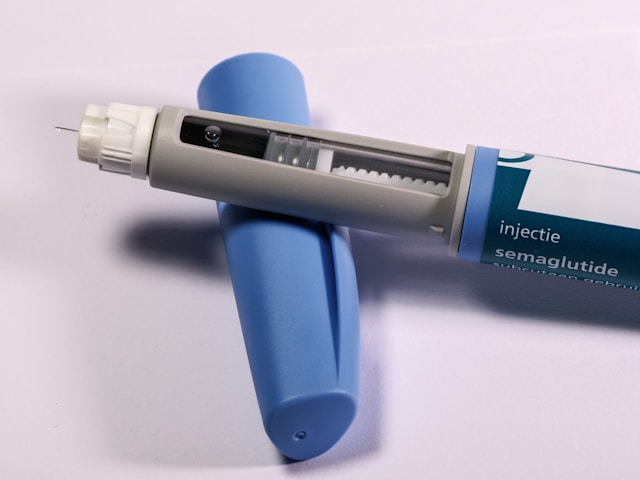


In recent years, certain weight loss drugs have become more prevalent and rather normalized, within the weight loss, diabetic, and health communities. These drugs are known as Glucagon-like peptide-1 Receptor Agonists (GLP1-RA). You may instead be familiar with the brand names of GLP1-RA that include Ozempic, and Mounjaro. These drugs were initially designed to assist in reducing plasma glucose levels in individuals with Type 2 diabetes. Ozempic, for example, mediates its effects by modulating the insulin secretion pathways, thereby reducing levels of glucose in blood. GLP1-RA also helps the pancreatic beta cells (the cells that store and make insulin) to proliferate while promoting their survival. However, patients suffering from obesity, typically concomitant with diabetes, are now becoming a major proportion of individuals receiving GLP1-RAs.
Like any drug on the market, there are expected side effects. In the case of GLP1-RA, gastrointestinal symptoms such as indigestion, vomiting, diarrhea, or nausea are common. Other symptoms like increased infections, headaches, or dizziness are also prevalent in those on GLP1-RAs. Patients are typically consulted prior to consenting to these medications. But what many patients/providers may not be aware of is that GLP1-RA can lead to nutritional deficiencies in varied intensities. Deficiencies that are common include Vitamin D, B vitamins such as thiamine, and iron.
Life-threatening deficiencies can occur, particularly in the case of thiamine. Recent cases show that some patients on GLP1-RA developed severe neurological and gastrointestinal symptoms which were attributed to end stage thiamine deficiency (i.e. non-alcoholic Wernicke Encephalopathy). I will also discuss one case that I have personally encountered, which caused the individual life-threatening symptoms and admission to the ICU.
Case 1
This was a 37 year old male with a history of diabetes, thyroid disease, and high blood pressure. He came in through emergency department with neurological signs that included difficulty swallowing, left-sided facial droop, nystagmus (uncontrolled eye movements), word-finding difficulty, and slurred speech. He was on Ozempic for several months and had lost over 70 pounds during that period. He also had a history of substance abuse but denied use of alcoholic substances.
Given the suspicion for thiamine deficiency per neurology and ophthalmology consultation, he was given IV thiamine (500 mg) and folic acid (1000 mcg). Remarkably his left-sided drooping and headaches resolved. The IV thiamine was given three times a day for three days. The authors here did not report thiamine blood testing, but the clinical symptoms along with Magnetic Resonance Imaging (MRI) data were indicative.
Case 2
A male of similar age to case 1 (41 years old) who had also denied alcohol use. This person was morbidly obese and was allowed to be on GLP1-RA to help with his weight problem. Weight treatment was successful as after four months, he lost 88 pounds (385 to 297 pounds). This individual began to experience symptoms of weakness, fatigue and lowered sensation in extremities. MRI confirmed clinical diagnosis of Wernicke Encephalopathy. Laboratory work complemented the imaging data showing significantly low thiamine levels but also deficiencies in B2, B6, folate, and Vitamin D. Blood results for zinc and copper were unremarkable, but I am in the strong opinion that serum/plasma for zinc (or copper) can be misleadingly “normal”.
This patient was treated with IV thiamine. The dose was not mentioned but it is likely 500 mg with magnesium as it is the typical treatment recommendation. Two years later his weight dropped to 134 pounds (total weight loss of 251 pounds). The extreme weight loss was despite nutritional support to the patient, although it was unclear if the patient continued the use of GLP1-RA. There was no mention on symptom resolve, but it is likely that this person is still suffering from thiamine (and other nutrient) deficiency per initial findings.
Case 3
A 45 year old female with a similar clinical picture that includes obesity and high blood pressure. She was taken by her family to the emergency department with symptoms of weakness and confusion that had developed over a period of two months. It was unfortunate that prior to this visit, this patient presented to other emergency departments at least two times with confusion and gastrointestinal symptoms. But she was discharged both times after normal imaging and “reassuring vitals”.
On the visit published within the case, the medical team took a deeper look (given previous discharges and continuing symptoms) and clinical examination showed an ataxic gait and nystagmus (similar to case 1). Typical blood workup was “unremarkable” other than slightly low potassium which was attributed to her hypertension drugs. Upon further examination the patient was found to have lost 70 pounds in a period of three months after starting GLP1-RA. Note that the published article suggests that her symptoms started in the last two months post GLP1-RA. The family mentioned that the GLP1-RA medication, as expected, significantly suppressed the patient’s appetite.
Given the patient’s symptoms, weight loss, and appetite suppression, it was presumed that she is suffering from Wernicke Encephalopathy. She was given one dose of thiamine (500 mg) but no further doses were given as the medical team thought that she did not appear malnourished, nor was she alcoholic. Fortunately for this patient, thiamine blood tests were ordered which showed low levels (along with B12 and folate). She was then re-started on thiamine (500 mg) and by the second day her nystagmus went away, though the confusion persisted. Two months later, clinical examination showed no comments on the gait ataxia. Unfortunately, this patient was reported to still be experiencing short-term memory problems.
The authors fully support the treatment with high-dose thiamine in patients suspected of this life-threatening conditions as follows “Delays in treatment or under-dosing parenteral thiamine may result in coma and death. Therefore, if suspected, empiric treatment should be initiated with high-dose IV thiamine therapy, 500mg every eight hours for three days”. My opinion is that the medical team should have considered high dose oral thiamine therapy indefinitely whilst monitoring with transketolase activity. As we have previously described, whole-blood/plasma thiamine levels can be misleading, especially during supplementation or during high-dose therapies.
Case 4
A young male (22 years old) with a history of uncontrolled type 2 diabetes, obesity, and panhypopituitarism. He was started on GLP1-RA and lost 80 pounds. After two months post weight loss, clinical exams showed angular stomatitis, glossitis, and peripheral neuropathy. The patient also showed no patellar and achilleas reflexes and it seems that he also suffered from dysfunctional mobility. Blood levels of thiamine, copper, and niacin were below the normal range. Vitamin B6 was in “normal” range, but in my opinion is deficient (7 mcg/L, Range 5-50). On the other hand, vitamin B12 was above range. It is almost likely that this patient is also deficient in vitamin B2 (riboflavin) given the angular stomatitis and other generalized B-vitamin deficiencies. The medical team concluded that dry beriberi is highly probable. The patient was asked to dose with a multivitamin, including Vitamin C. The symptoms improved rapidly, including functional mobility.
Case 5
This case involved a 37 year old female who had experienced rapid weight loss (100 pounds) from her initial 350 pounds baseline within few months upon commencing on GLP1-RA. Similar to other cases, she developed neurological symptoms such as numbness and weakness in both of her legs. It was thought that her symptoms were due to B12 deficiency, however, she continued to worsen despite B12 oral supplementation. The patient unfortunately developed encephalopathy. The worsening symptoms included disorientation, eye abnormalities, and ankle jerks. Blood workup finally showed a thiamine deficiency. Her medical team concluded a diagnosis of non-alcoholic Wernicke’s encephalopathy.
It is worth noting that this person also had hypothyroidism as her medication list included levothyroxine. Review of the published blood work shows low hemoglobin levels, slightly high liver enzymes, low Vitamin D, elevated clotting factors (D-dimer/fibrinogen), and elevated inflammatory markers (ESR). Therefore, the case is complex and multi-faceted but certainly centers around weight loss, malnutrition, and thiamine deficiency.
The patient was treated with thiamine (likely 500 mg with magnesium) which resulted in an improvement in some neurological symptoms (ataxia, ocular abnormalities). However, she continued to have weakness and neuropathic pain for six months post thiamine treatment. It is highly probable that other nutritional deficiencies that include copper, zinc, and B-vitamins are involved in the ongoing symptomology of this patient.
Case 6 – Direct Encounter with a Patient on GLP1-RA
This individual is a female in her 50’s. The patient had been on GLP1-RA (Ozempic) for months. She was diabetic and had lost some weight, but not as significant as the published cases above. During that time, she began suffering with symptoms of chronic fatigue, and her friends described her as just not being there. She also suffered from hypothyroid state and hypertension. When her symptoms began, she made multiple visits to the emergency department and was sent home without remarkable treatment other than management of diabetes and high blood pressure. Soon after, she unfortunately was found unresponsive at her residence by her friend. At the ICU she was diagnosed with encephalopathy and the treating team had rightfully suspected Wernicke Encephalopathy but chose not to treat because she was non-alcoholic. This was despite elevated plasma lactic acid.
The patient’s clinical picture continued to worsen and was still unresponsive for close to two weeks at the ICU. A discussion with her pharmacist and ICU physician was fruitful after sharing above case studies with GLP1-RAs and the risk for encephalopathy as a result of thiamine deficiency. The ICU team studied the cases and re-adjusted their plans given the new evidence and immediately commenced on high dose IV thiamine treatment with magnesium. The next day the patient began to have movements within the extremities – a good sign. Thiamine was given again two times at 500 mg and then 100 mg for two more days. After few days the patient began to respond and was vocal though still in a state of relative confusion. The confusion haze was mostly over within a week or so post thiamine treatment. The patient continues to suffer with diabetes and clinical hypothyroidism, but had ceased the use of Ozempic.
It is important to note here that her diagnosis was made clinically and there was no formal testing for thiamine pre/post treatment. The physician made an excellent decision by first noticing that her symptoms are likely thiamine-related but were pushed away from this diagnosis by the non-alcoholic background. Second, the physician probably made the life-saving decision of giving IV thiamine after being shown clinical reports of very similar cases to their ICU patient.
Conclusion and Remarks
Conventional or classical Wernicke Encephalopathy is thought to be rare and typically associated with alcohol abuse. Indeed, as we have observed in case 6, the diagnosis of Wernicke Encephalopathy was ignored because of the patient’s non-alcoholic background. Case 3 also shows that the medical team halted thiamine treatment because the patient did not look malnourished. It was only after her blood work came up to be abnormal that the medical team re-initiated treatment.
Although these cases are complex in terms of diagnoses and medications, all of their symptoms revolve around neurological, and sometimes gastrointestinal, abnormalities. In addition, while some patients have generalized deficiencies, thiamine deficiency seems to be the main culprit of severe symptoms. For example, case 5 had notable B12 deficiency which certainly is an important factor, but it was only after she was treated with thiamine that her symptoms were improved.
We have also seen that some patients had lingering symptoms despite high dose thiamine dosing. The most likely explanation is that drugs, chronic disease, and chronic thiamine deficiency caused a dysfunction in not just total tissue TPP but also thiamine-dependent enzymes. Therefore, it is paramount to understand that sometimes thiamine therapy must be continued long-term in order to resolve tissue level TPP and recover transketolase levels that decrease in chronic disease. In addition, reduction of Vitamin D (a common occurrence in GLP1-RA patients) can also reduce levels of transketolase by close to 4 fold. Please refer to our previous article on thiamine testing for more information on TPP and other factors that could affect thiamine-dependent enzymes. Other cases, such as case 4, had his symptoms resolve with a simple multivitamin although his symptoms were relatively mild compared to others.
Another interesting observation is that these patients tend to exhibit neurological thiamine deficiency symptoms as the weight loss approaches 70 pounds or so. Given the patients’ background of metabolic dysfunction, it is our opinion that it is likely that these individuals were already on the precipice of moderate to severe nutritional deficiencies. I therefore advice all providers who are overseeing patients undergoing rapid weight loss to consider the following:
- Remember that appetite suppression and rapid weight loss are linked with nutritional deficiencies of which some can be life-threatening. As we have seen above, symptoms can show up within few months of weight loss.
- In addition to general metabolic and blood panels, test all patients prior to embarking on GLP1-RAs, for at least the common nutrient deficiencies. These include the following: vitamin D, vitamin A, zinc, copper, B12, folate, homocysteine (to assess general B vitamin metabolism), and of course thiamine.
- Note that certain nutrients requires a more clinically accurate testing, including zinc (Zinc RBC). In the case of thiamine, the best method is through Erythrocyte Transketolase Activity Coefficient (ETKAC) which also evaluates transketolase basal activity. If you cannot find this test in your region (available at the Clinical Immunology Laboratory), then the next best assay is whole blood TPP via LCMS.
Note: This article is for descriptive purposes only. The above is not meant as a replacement for medical advice. The clinical recommendations above are meant to help patients begin discussions on this subject with their licensed medical providers. The information is also meant for providers to utilize with their own clinical experience and discretion.
We Need Your Help
More people than ever are reading Hormones Matter, a testament to the need for independent voices in health and medicine. We are not funded and accept limited advertising. Unlike many health sites, we don’t force you to purchase a subscription. We believe health information should be open to all. If you read Hormones Matter, and like it, please help support it. Contribute now.
Yes, I would like to support Hormones Matter.
Photo by Haberdoedas on Unsplash.