

The results of large study investigating the genetic components of fibromyalgia highlighted a connection between a defect in the Huntingtin gene (HTT) and an increased risk for developing this condition. It was by far the largest signal in the genome-wide sequencing of over 2.5 million people (57k with fibromyalgia, the remainder without), but only accounted for a 9% increase in risk; so not too exciting, despite all of the press.
That said, the HTT gene also happens to be implicated in Huntington’s disease (HD). Although, the defect implicated in fibromyalgia is different than the one implicated in HD, that it was implicated at all is interesting. In recent years, researchers have found that HD has a thiamine connection. The HTT gene is modulated by thiamine. Specifically, inadequate thiamine induces the defect in the HTT gene, which then induces the expression of other genes responsible for the tale tell basal ganglia degeneration observed in HD.
Subsequent research found that the issue with thiamine in patients with HD was not necessarily due to frank inadequate intake, although that would contribute given current dietary practices, but rather, to a problem with the thiamine transporter enzymes (SLC19A2 and SCL19A3, respectively) and the thiamine activating enzyme thiamine pyrophosphokinase 1 (TPK1). A mouse study found high dose thiamine plus biotin recovered neuronal function in experimentally induced HD and preliminary reports from an on-going human trial report low concentrations of thiamine in the cerebral spinal fluid of HD patients appearing years before onset symptoms, confirming that low thiamine plays a role in this disease process.
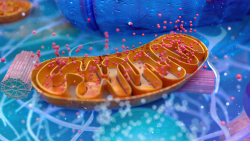
Could something similar be happening with fibromyalgia? The idea is not as far-fetched as it seems. Once you understand the role of thiamine in mitochondrial energy production and the degree to which modern living disrupts thiamine pathways, it is easy to see potential connections everywhere. For a review of thiamine’s role in energy metabolism see here or really, read just about any article on this website.
Unfortunately, there is very little research on fibromyalgia in general or any connections with thiamine handling more specifically. There is, however, a growing body of research and case work showing impaired mitochondrial energetics in patients with fibromyalgia (here, here, here, here, here, and more), which would lead us to thiamine.
And a small case series involving three female patients with fibromyalgia showed a large reduction in pain and fatigue with high doses of oral thiamine (600-1800mg p/day):
- Patient 1: 3% reduction in fatigue; 80% reduction in pain.
- Patient 2: 37% reduction in fatigue; 50% reduction in pain.
- Patient 3: 7% reduction in fatigue; 60% reduction in pain.
Subsequently, anecdotal reports and independent patient trials supported the use of thiamine to alleviate symptoms. Despite scouring the internet, that is about it. While I do not pay much heed to genetic determinants for most disease processes, from my perspective and based upon the latest stem cell research, environment, and thus, mitochondrial capacity contribute far more to the onset of disease than genetics, finding a connection to the thiamine-impacted HTT gene provides some evidence that that fibromyalgia impacts neural connectivity. Thus, like HD, it is likely amenable to thiamine. And based upon a decade of mitochondrial research, regardless of potential genetic components any disease process, supporting the nutritional components that mitochondria rely upon to produce energy, is bound to help. If you or someone you know suffers from fibromyalgia, consider thiamine and the other nutrient cofactors required for mitochondrial function.
We Need Your Help
More people than ever are reading Hormones Matter, a testament to the need for independent voices in health and medicine. We are not funded and accept limited advertising. Unlike many health sites, we don’t force you to purchase a subscription. We believe health information should be open to all. If you read Hormones Matter, like it, please help support it. Contribute now.
Yes, I would like to support Hormones Matter.
Photo by Carmen Laezza on Unsplash.